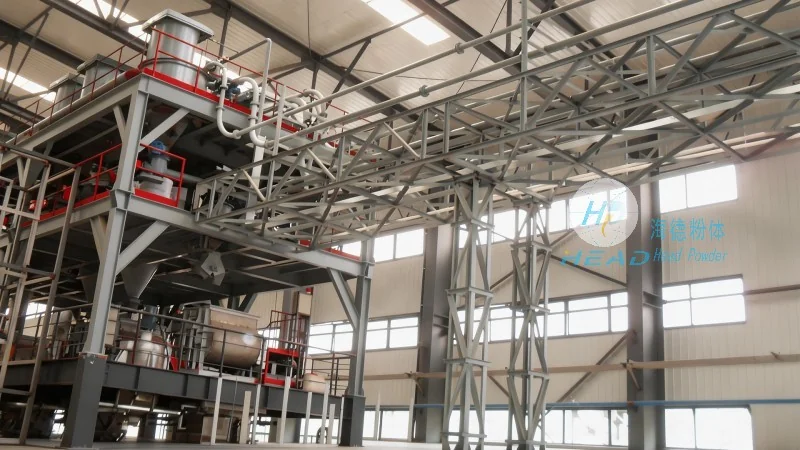
For industrial applications that rely on silica fume, selecting the right conveying method is crucial for efficiency, safety, and cost-effectiveness. Silica fume, a byproduct of the silicon and steel industries, is a fine powder used in concrete, refractory materials, and other high-performance products. The proper handling and transportation of this material require specialized equipment and techniques to ensure minimal dust generation, consistent flow, and compliance with safety regulations. In this article, we will explore common silica fume conveying methods, with a focus on the advantages and applications of pneumatic conveying systems.
Introduction to Silica Fume and Conveying Challenges
Silica fume, also known as microsilica, is a highly fine powder with a particle size typically ranging from 0.1 to 0.2 micrometers. Due to its ultra-fine nature, it poses unique challenges during transportation, including high dust generation, caking, and the need for low-pressure or vacuum systems to prevent material degradation. Traditional bulk material handling methods, such as belt conveyors or screw conveyors, may not be suitable for silica fume because they can cause agglomeration and increase the risk of dust exposure. Therefore, specialized conveying systems are essential to maintain the quality and integrity of silica fume during transport.
Common Silica Fume Conveying Methods
There are several methods used to transport silica fume, with pneumatic conveying being the most common for its ability to handle fine powders efficiently. Other methods include mechanical conveying (e.g., screw conveyors, bucket elevators) and hydraulic conveying, though the latter is less common for silica fume due to its high viscosity and potential for clogging. The choice of method depends on factors such as the distance of transport, the volume of material, the required flow rate, and the environmental regulations in the operating area.
Pneumatic Conveying: The Preferred Method for Silica Fume
Pneumatic conveying systems use air or other gases to transport silica fume through a pipeline network. This method is ideal for handling fine powders because it minimizes dust exposure, reduces material degradation, and allows for continuous, automated operation. There are two main types of pneumatic conveying: pressure and vacuum systems. Pressure systems use compressed air to push the material through the pipeline, while vacuum systems use a vacuum to draw the material from the source. Both systems can be designed for dilute or dense phase operation, depending on the application requirements.
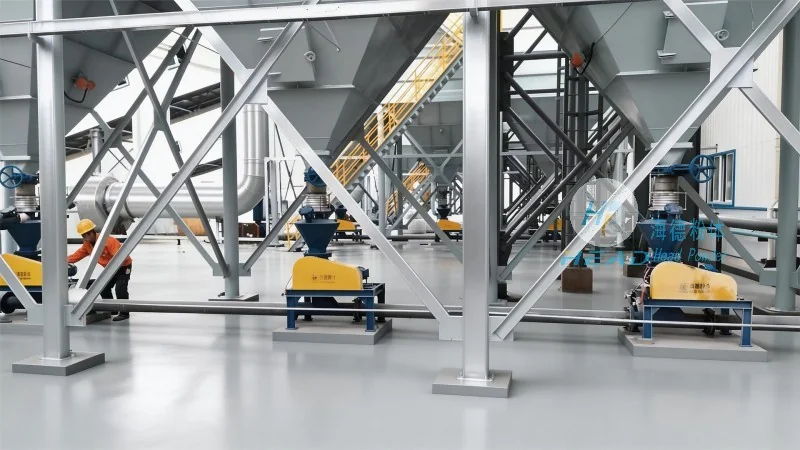
For silica fume, dilute phase pneumatic conveying is often preferred because it provides a higher flow rate and lower pressure drop compared to dense phase systems. However, dense phase systems are sometimes used for longer distances or when the material is prone to caking. The selection of the appropriate pneumatic conveying system depends on factors such as the distance between the source and destination, the required flow rate, and the need to minimize energy consumption.
Key Components of Silica Fume Pneumatic Conveying Systems
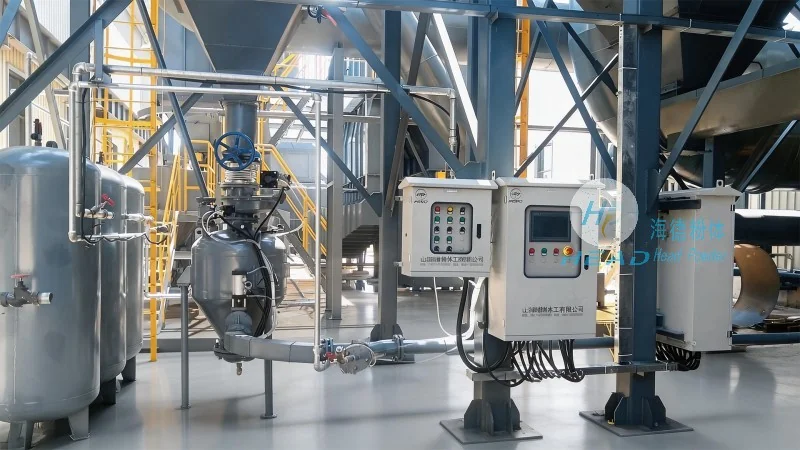
A typical silica fume pneumatic conveying system consists of several key components, including a material feeder, a conveying line, a control system, and a dust collection system. The material feeder is responsible for feeding the silica fume into the conveying line at a consistent rate, while the conveying line transports the material to the destination. The control system monitors and regulates the flow of air and material to ensure optimal performance. The dust collection system, often integrated with the conveying line, captures any airborne particles to prevent environmental contamination and ensure worker safety.
Shandong HeadPowder Engineering Co., Ltd., a leading manufacturer of bulk material handling equipment, specializes in designing and manufacturing customized pneumatic conveying systems for silica fume and other fine powders. With years of experience in the industry, the company has developed advanced solutions that address the unique challenges of handling ultra-fine materials. Their systems are engineered to minimize dust generation, reduce energy consumption, and ensure compliance with international safety and environmental standards.
Advantages of Pneumatic Conveying for Silica Fume
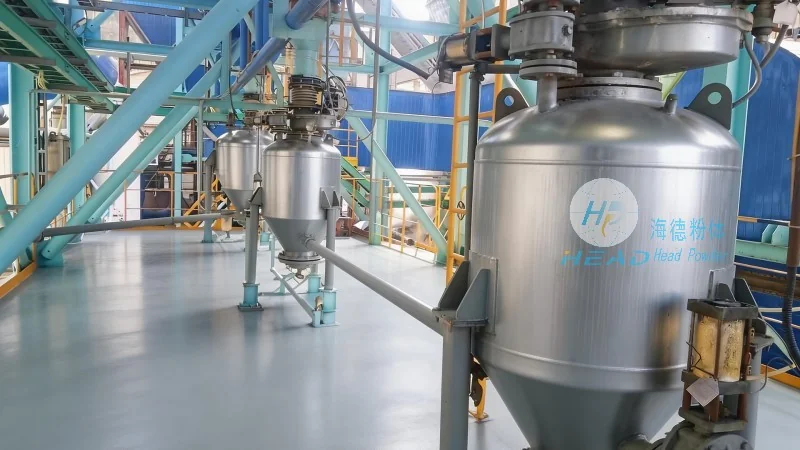
Compared to other conveying methods, pneumatic conveying offers several advantages for silica fume transportation. First, it provides a closed system that eliminates dust exposure and reduces the risk of environmental contamination. Second, it allows for continuous, automated operation, which increases efficiency and reduces labor costs. Third, it can handle high volumes of material over long distances with minimal maintenance. Fourth, it is flexible and can be easily integrated with existing production lines or expanded to accommodate future growth.
Additionally, pneumatic conveying systems are highly adaptable and can be customized to meet the specific needs of different applications. For example, the system can be designed to handle varying flow rates, temperatures, or pressures. This flexibility makes it suitable for a wide range of industrial applications, from small-scale laboratory use to large-scale industrial production.
Applications of Silica Fume Pneumatic Conveying
Silica fume is used in various industries, and the pneumatic conveying systems designed for it are equally versatile. In the construction industry, silica fume is used as a supplementary cementitious material in high-performance concrete, where it improves strength, durability, and resistance to chemical attack. The pneumatic conveying systems used in this industry must be able to handle large volumes of material and maintain consistent quality to ensure the performance of the final product.
In the refractory industry, silica fume is used in the production of high-temperature materials, such as refractory bricks and castables. The pneumatic conveying systems used here must be able to handle high temperatures and corrosive materials, ensuring the longevity and reliability of the equipment. In the chemical industry, silica fume is used as a filler in various products, and the conveying systems must be able to handle the material's fine particle size and prevent caking.
Conclusion
Choosing the right conveying method for silica fume is critical to ensure the efficiency, safety, and quality of industrial processes. Pneumatic conveying, particularly dilute phase systems, is the preferred method due to its ability to handle fine powders efficiently and minimize dust exposure. Shandong HeadPowder Engineering Co., Ltd. offers advanced pneumatic conveying solutions tailored to the unique needs of silica fume handling, ensuring optimal performance and compliance with industry standards. By investing in the right conveying system, industrial facilities can improve their operational efficiency, reduce costs, and enhance the quality of their products.




