

What is an Iron Turnings Pneumatic Conveying System? And What Are Its Design Principles?
Iron turnings, a common byproduct in metalworking and manufacturing processes, often require efficient and reliable methods for transportation and handling. A pneumatic conveying system specifically designed for iron turnings offers a solution that combines performance, durability, and operational efficiency. This article explores the concept of an iron turnings pneumatic conveying system, detailing its components, operational mechanisms, and the fundamental design principles that underpin its effectiveness.
Understanding the Core Components of the System
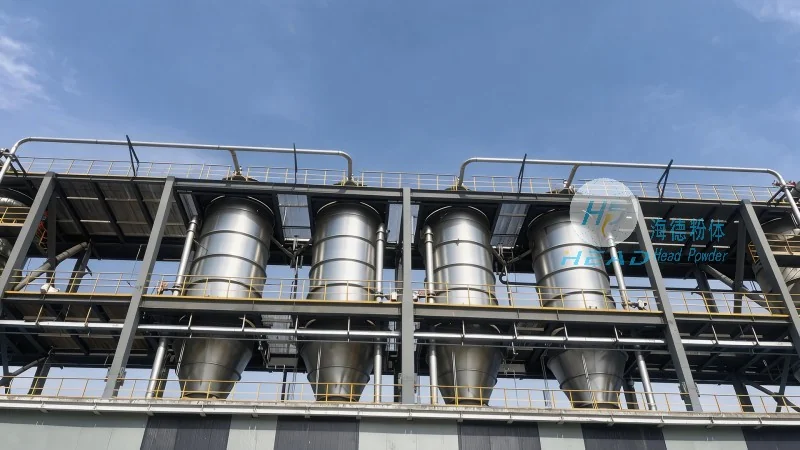
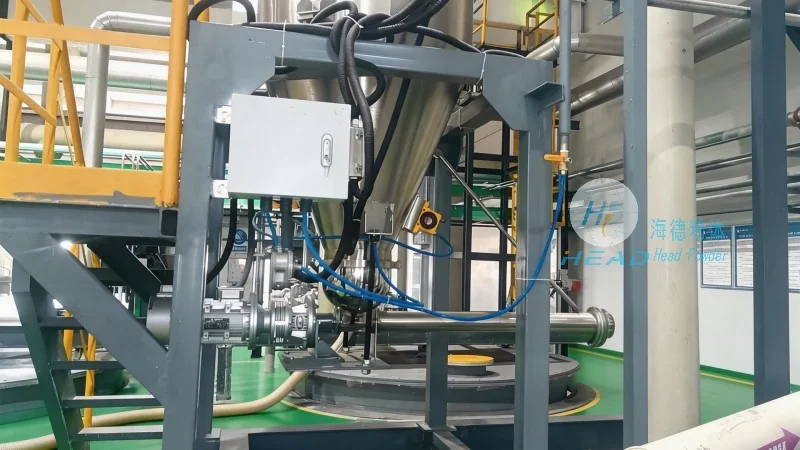
The iron turnings pneumatic conveying system typically consists of several key components that work in concert to transport material from a source to a destination. These components include a material hopper or feeder, a conveying line (often equipped with a pressure vessel or vacuum pump), a control system, and a discharge or collection unit. The material hopper is responsible for storing and feeding the iron turnings into the system, ensuring a consistent flow rate. The conveying line, which may be a pipeline or a flexible hose, is the primary pathway for the material transport. It is often pressurized using compressed air or a vacuum to move the iron turnings through the system. The control system manages the pressure, flow rate, and overall operation, ensuring safe and efficient material handling. Finally, the discharge unit collects the iron turnings at the destination, completing the conveying process.
Design Principles for Optimal Performance
The design of an iron turnings pneumatic conveying system is guided by several critical principles aimed at maximizing efficiency, minimizing wear, and ensuring long-term reliability. One of the primary design considerations is the material's properties, such as its density, particle size, and moisture content. These factors influence the selection of the conveying method—whether it's a pressure system, a vacuum system, or a combination of both. For iron turnings, which are typically fine to medium-sized particles, a pressure system is often preferred due to its ability to handle higher flow rates and longer distances. The design also involves selecting appropriate materials for the conveying line and components, such as stainless steel or high-grade plastic, to resist corrosion and abrasion from the iron turnings. Additionally, the system's layout and the placement of components are crucial for minimizing pressure losses and ensuring smooth material flow. Proper sizing of the hopper, feeder, and conveying line is essential to maintain consistent flow rates and prevent blockages or system failures.
Operational Mechanisms and Efficiency Factors
The operational mechanism of an iron turnings pneumatic conveying system involves the introduction of air or a carrier gas into the conveying line, which lifts and transports the iron turnings. The air velocity within the line must be sufficient to overcome the gravitational force acting on the particles and to maintain a stable flow. The design of the system must account for the air-to-material ratio, which is the ratio of the volume of air to the volume of material being conveyed. An optimal air-to-material ratio ensures efficient transport while minimizing energy consumption. The system's efficiency is also influenced by factors such as the length of the conveying line, the number of bends or fittings, and the presence of any obstructions that could cause pressure drops or material buildup. Regular maintenance and monitoring of the system's performance are essential to ensure consistent operation and to address any issues that may arise, such as clogging or wear of components.
Applications and Benefits in Industrial Settings
Iron turnings pneumatic conveying systems find widespread application in various industrial settings, including metal recycling facilities, foundries, and manufacturing plants. These systems are particularly useful in environments where traditional conveyor belts or bucket elevators may be impractical or inefficient. The benefits of using a pneumatic conveying system for iron turnings include improved safety, as the material is contained within the system, reducing the risk of dust exposure or material spillage. Additionally, the system offers greater flexibility in terms of layout and installation, allowing for the integration of the conveying line into existing production processes without major modifications. The efficiency of the system in handling large volumes of iron turnings reduces labor costs and increases overall productivity. Furthermore, the system's ability to transport material over long distances without the need for intermediate storage or handling points streamlines the production workflow and enhances operational efficiency.
Conclusion and Company Overview
In conclusion, an iron turnings pneumatic conveying system is a sophisticated and effective solution for the transportation and handling of iron turnings in industrial applications. The system's design, based on fundamental principles of fluid dynamics and material handling, ensures reliable and efficient operation. By understanding the core components, design principles, and operational mechanisms, industries can leverage these systems to improve productivity, enhance safety, and reduce operational costs. As a leading provider in this field, Shandong HeadPowder Engineering Co., Ltd. specializes in the design, manufacturing, and implementation of such systems, offering tailored solutions to meet the specific needs of clients. With a focus on quality, durability, and performance, HeadPowder provides reliable pneumatic conveying systems that contribute to the efficiency and success of industrial operations.