Polypropylene (PP) is a widely used thermoplastic polymer known for its lightweight, durability, and versatility in various industrial applications. From packaging and textiles to automotive parts and construction materials, PP is a critical component in many manufacturing processes. However, the efficient and safe transportation of polypropylene powders or granules from one point to another is often a challenge due to its fine particle size, static electricity, and potential for dust accumulation. This article explores common polypropylene conveying methods, with a focus on the advantages and applications of pneumatic conveying systems, as offered by Shandong HeadPowder Engineering Co., Ltd. (HeadPowder).
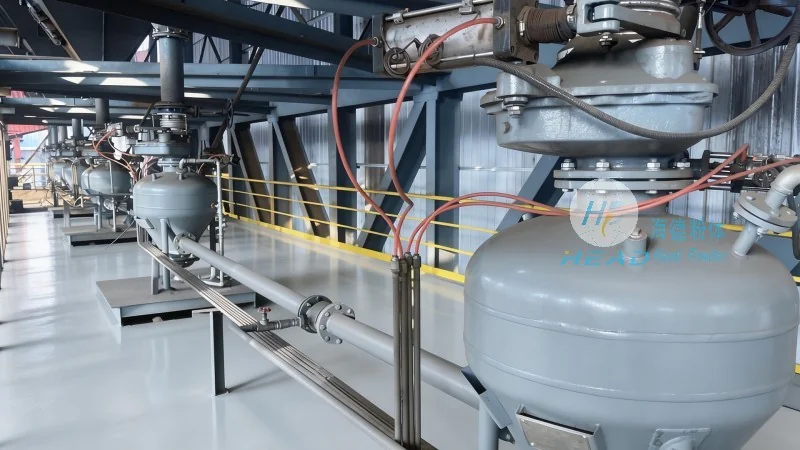
Understanding Polypropylene Properties and Conveying Challenges
Before delving into specific conveying methods, it is essential to understand the characteristics of polypropylene that impact its handling. Polypropylene is a non-conductive material, which means it can generate static electricity when processed or moved. This static charge can lead to material buildup on equipment, causing blockages or even fire hazards. Additionally, PP powders are often fine and lightweight, making them prone to dispersion and inhalation risks if not handled properly. These properties necessitate specialized conveying solutions that ensure material integrity, safety, and operational efficiency.
Common Polypropylene Conveying Methods
Several methods are employed to transport polypropylene materials, each with its own advantages and limitations. The choice of method depends on factors such as material properties, distance to be conveyed, volume requirements, and environmental considerations. The primary methods include:
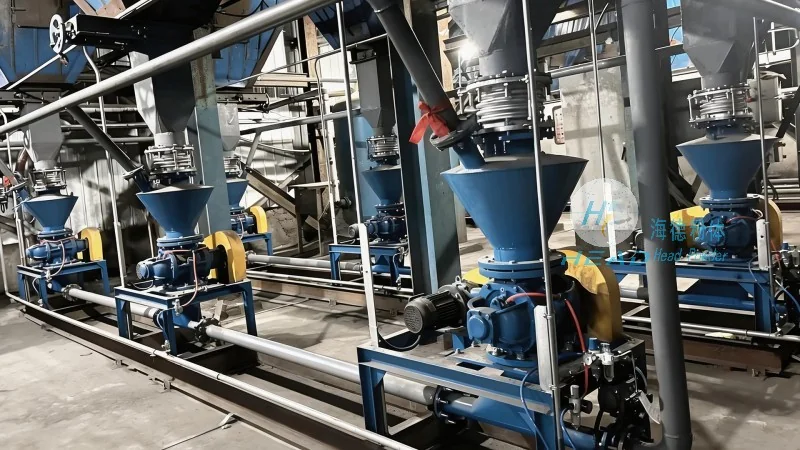
- Mechanical Conveying: This includes screw conveyors, belt conveyors, and bucket elevators. Mechanical systems are typically used for short to medium distances and larger particle sizes. However, they may not be suitable for fine polypropylene powders due to the risk of material bridging or blockage in the conveying line.
- Pneumatic Conveying: This method uses air or other gases to transport materials through a pipeline. Pneumatic systems are highly effective for polypropylene powders, especially when dealing with fine particles or static electricity. They offer flexibility in layout, high material transfer rates, and the ability to handle long distances.
- Vacuum Conveying: A type of pneumatic conveying that uses a vacuum to draw material into the system. This method is ideal for applications requiring gentle handling, such as transporting sensitive or heat-sensitive polypropylene products. Vacuum systems are commonly used in industries where dust control and material cleanliness are critical.
- Hybrid Systems: Some applications combine mechanical and pneumatic conveying to leverage the strengths of both methods. For example, a screw conveyor may be used to feed a pneumatic system, ensuring efficient material transfer while minimizing the risk of blockages.
Pneumatic Conveying: The Preferred Solution for Polypropylene
Among the various conveying methods, pneumatic conveying stands out as the most suitable for polypropylene due to its ability to handle fine powders and manage static electricity effectively. Pneumatic systems can be categorized into two main types: pressure and vacuum. Pressure systems use compressed air to push material through the pipeline, while vacuum systems use a vacuum to pull material in. Both types are designed to maintain material flow and prevent clogging.
HeadPowder specializes in the design, manufacturing, and installation of pneumatic conveying systems tailored to the unique needs of polypropylene applications. Our systems are engineered to address the challenges associated with PP, including static control, material separation, and efficient transport. By utilizing high-quality components and advanced control technologies, our pneumatic conveying solutions ensure reliable and safe operation in industrial settings.
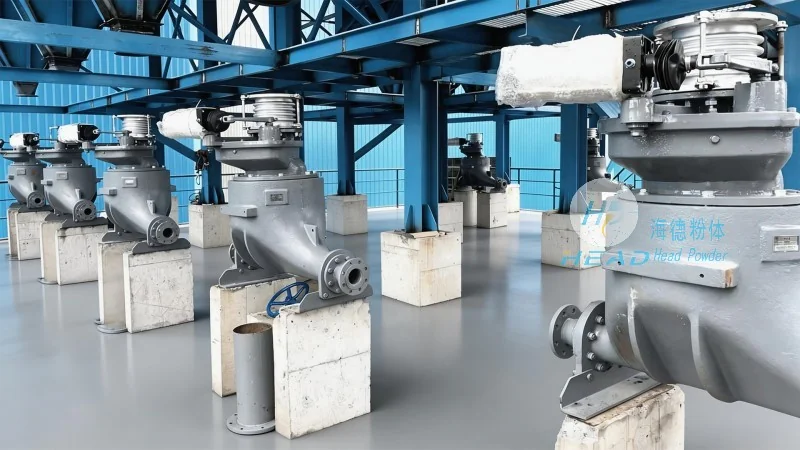
Key Features of Polypropylene Pneumatic Conveying Systems
When selecting a pneumatic conveying system for polypropylene, several key features should be considered to ensure optimal performance:
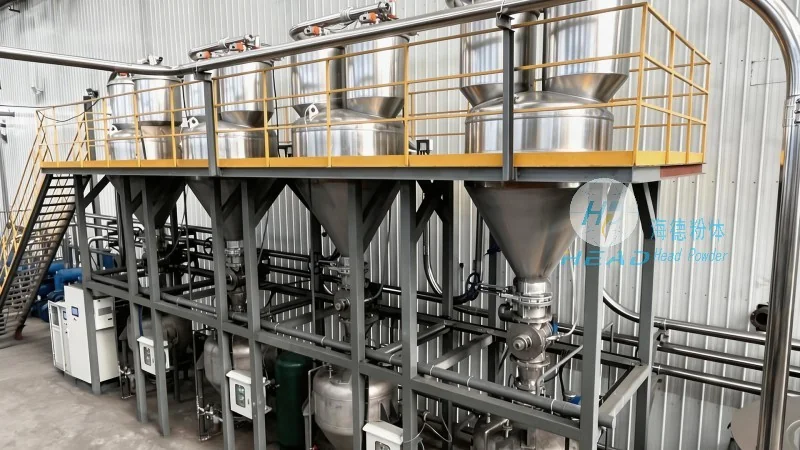
- Static Control: Effective grounding and anti-static additives are integrated into the system to prevent static buildup, which can cause material adhesion or spark hazards.
- Material Separation: Specialized filters and cyclones are used to separate air from the conveyed material, ensuring that the polypropylene remains clean and free from contaminants.
- System Flexibility: Modular design allows for easy expansion or modification of the conveying system as production needs change.
- Energy Efficiency: Advanced control systems optimize air pressure and flow rates, reducing energy consumption and operational costs.
Applications of Polypropylene Pneumatic Conveying
Pneumatic conveying systems are widely used in various industries that handle polypropylene materials. Some common applications include:
- Plastic Manufacturing: Transporting polypropylene granules from storage silos to extrusion or molding machines.
- Packaging Industry: Conveying polypropylene powders or flakes to packaging lines for film or container production.
- Automotive Sector: Moving polypropylene components from raw material storage to assembly lines.
- Construction Materials: Handling polypropylene additives in concrete or asphalt production.
Conclusion
Efficient and safe polypropylene conveying is crucial for maintaining productivity and ensuring workplace safety in industrial operations. While various methods are available, pneumatic conveying systems, particularly those designed by Shandong HeadPowder Engineering Co., Ltd., offer superior performance for handling polypropylene powders and granules. By addressing the unique challenges of polypropylene, such as static electricity and fine particle size, these systems provide reliable, flexible, and cost-effective solutions for a wide range of applications. For businesses seeking to optimize their polypropylene handling processes, pneumatic conveying remains the preferred choice, backed by the expertise and innovation of companies like HeadPowder.




