Calcite, a widely used mineral in various industrial applications, requires efficient and reliable conveying methods to ensure smooth operation in processing plants. Among the various options available, pneumatic conveying stands out as a preferred choice for many industries due to its flexibility and effectiveness. This article explores common calcite conveying methods, with a focus on the advantages and applications of pneumatic conveying systems.
Understanding Calcite and Its Conveying Needs
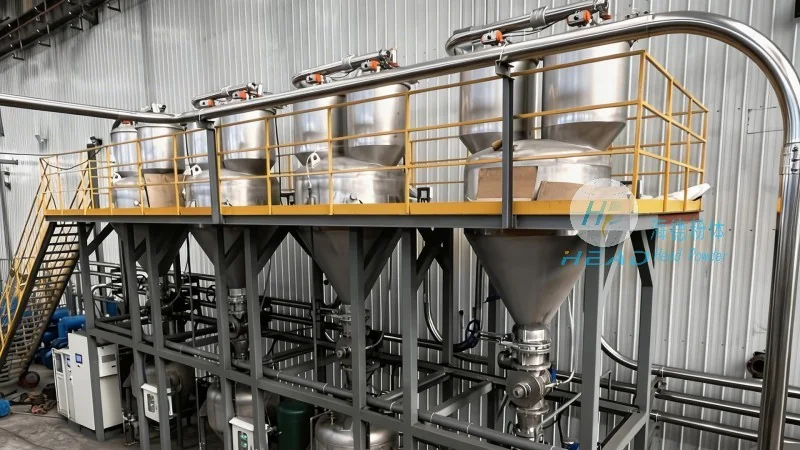
Calcite, chemically known as calcium carbonate (CaCO₃), is a common mineral used in industries such as construction, pharmaceuticals, and chemical manufacturing. Its fine powder form often necessitates specialized handling to prevent dust, clogging, and loss of material during transport. Traditional methods like belt conveyors or screw conveyors may not be suitable for calcite due to its fine particle size and potential for static electricity. Therefore, advanced conveying systems are essential to maintain product integrity and operational efficiency.
Common Conveying Methods for Calcite
Several methods are employed for calcite transport, each with its own advantages and limitations. The primary options include mechanical conveyors, pneumatic systems, and hydraulic conveyors. Mechanical conveyors, such as belt or screw conveyors, are widely used but may struggle with fine powders and are prone to material degradation. Hydraulic conveyors, while effective for certain applications, require specialized infrastructure and are less flexible for varying material types. Pneumatic conveying, however, offers a more versatile solution, especially for calcite and other fine powders.
Pneumatic Conveying: The Preferred Method for Calcite
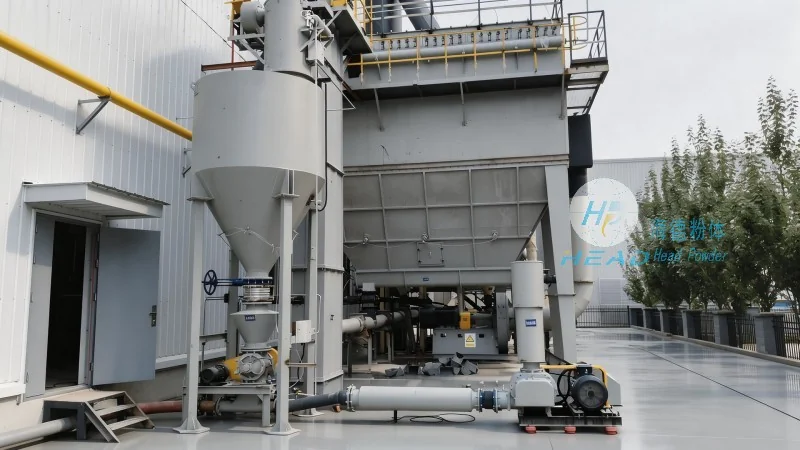
Pneumatic conveying systems utilize air or other gases to transport calcite particles through a pipeline. This method is particularly effective for calcite due to its ability to handle fine powders without clogging or degradation. There are two main types of pneumatic conveying: pressure and vacuum systems. Pressure systems use compressed air to push material through the pipeline, while vacuum systems use suction to draw material into the system. Both types can be customized to meet specific operational requirements, including material flow rates, distance, and particle size.
Advantages of Pneumatic Conveying for Calcite
Several key advantages make pneumatic conveying an ideal choice for calcite transport. First, it minimizes product contamination and degradation, as the material is enclosed within the pipeline, protecting it from external factors. Second, it offers high efficiency and flexibility, allowing for easy integration with existing processing equipment. Third, it reduces labor costs and operational downtime by eliminating the need for manual handling and frequent maintenance of traditional conveyors. Additionally, pneumatic systems can handle varying particle sizes and moisture content, making them suitable for diverse calcite applications.
Applications of Calcite Pneumatic Conveying
The versatility of calcite pneumatic conveying makes it applicable across multiple industries. In the construction industry, calcite is used as a filler in cement and concrete, and pneumatic systems ensure efficient transport from storage to mixing plants. In the pharmaceutical industry, calcite is used as an excipient or filler in tablets and capsules, requiring precise and clean conveying to maintain product quality. In chemical manufacturing, calcite is used in the production of calcium carbonate products, and pneumatic systems facilitate the transfer of raw materials and finished goods between processing stages.
Key Considerations for Calcite Pneumatic Conveying Systems
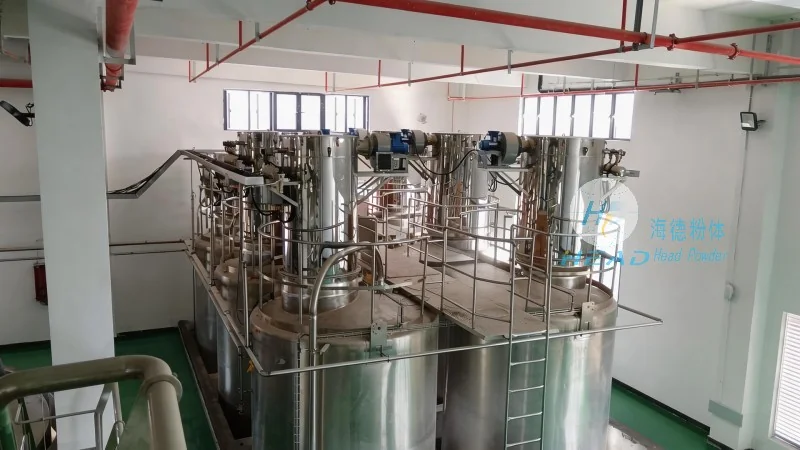
When implementing a calcite pneumatic conveying system, several factors must be considered to ensure optimal performance. Material properties, such as particle size, density, and moisture content, are critical in determining the system design. The distance and layout of the conveying line also impact the system's efficiency, as longer distances may require additional air pressure or vacuum boosters. Additionally, the system must be equipped with proper filtration and dust collection to comply with environmental regulations and maintain air quality. Regular maintenance and monitoring are essential to prevent system failures and ensure consistent performance.
Conclusion
Calcite conveying is a critical aspect of industrial operations, and selecting the right method is essential for maintaining efficiency and product quality. While various options exist, pneumatic conveying stands out as a reliable and versatile solution for calcite transport. By understanding the advantages and considerations of pneumatic systems, industries can optimize their calcite handling processes and improve overall operational performance. For businesses seeking advanced calcite conveying solutions, Shandong HeadPowder Engineering Co., Ltd. offers specialized equipment and expertise to meet their specific needs.




