

Working Principle and Characteristics of Pellet Pneumatic Conveying
Understanding the working principle and characteristics of pellet pneumatic conveying is crucial for industries that handle bulk materials efficiently. This article provides a detailed overview of the technology, focusing on how it operates and its key features, while highlighting the expertise of Shandong HeadPowder Engineering Co., Ltd. as a leading provider in the field.
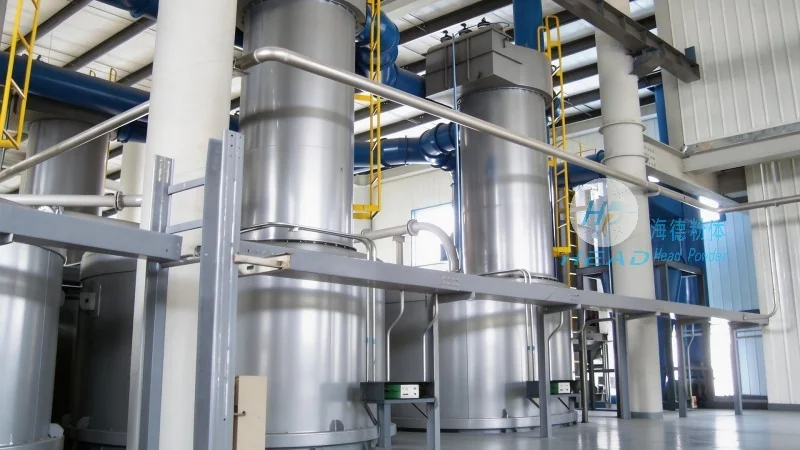
Introduction to Pellet Pneumatic Conveying
Pellet pneumatic conveying, also known as pneumatic transport, is a method used to move granular or powdery materials like pellets through a pipeline using air or gas as the conveying medium. This technology is widely adopted in various sectors, including construction, agriculture, and manufacturing, due to its ability to transport materials over long distances with minimal maintenance and operational costs.
Working Principle of Pellet Pneumatic Conveying
The core mechanism of pellet pneumatic conveying involves creating a pressure differential within the conveying system. The process typically starts with the material being fed into a hopper or feeder, where it is then drawn into a pipeline by a vacuum or pressure source. The air or gas, often referred to as the conveying medium, is introduced at the inlet of the pipeline, creating a flow that propels the pellets forward. The system can operate under either positive pressure (where air is forced into the system) or negative pressure (where air is drawn out), depending on the specific application and material characteristics.
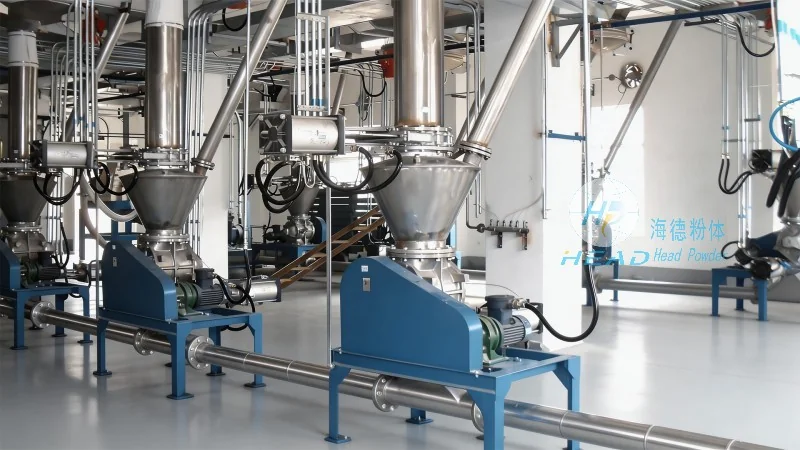
Key components of the system include the feeder, which controls the material flow rate; the conveying line, which transports the pellets; and the receiver, where the material is deposited. The selection of these components is critical to ensure efficient and reliable operation. For instance, the feeder must be designed to handle the specific properties of the pellet material, such as size, density, and moisture content, to prevent blockages or uneven flow. The conveying line is typically made of materials like stainless steel or plastic, chosen for their resistance to corrosion and wear from the material being transported.
Key Characteristics of Pellet Pneumatic Conveying
Several distinct characteristics make pellet pneumatic conveying an attractive option for material handling. First, it offers a closed system, which helps in maintaining material integrity and preventing contamination from external sources. This is particularly important for materials that are sensitive to moisture or air exposure, such as certain agricultural products or pharmaceuticals. Second, the system is highly flexible, allowing for changes in the conveying route or capacity without significant modifications to the infrastructure. This adaptability makes it suitable for both new installations and retrofitting existing facilities.
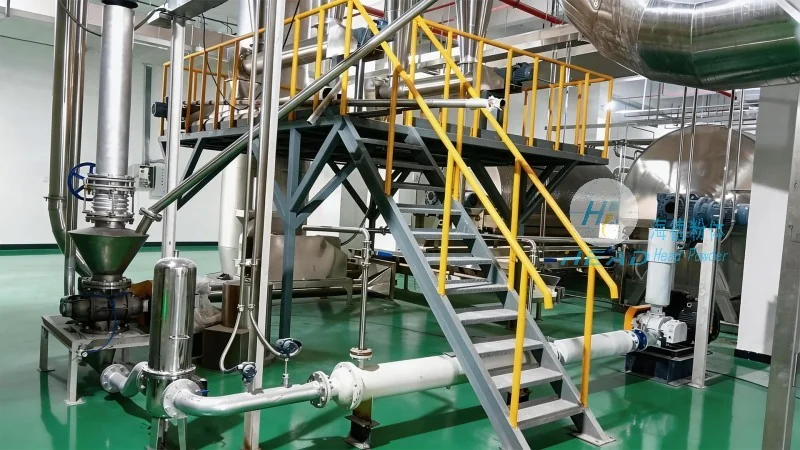
Another significant characteristic is the energy efficiency of the system. Compared to traditional methods like belt conveyors or bucket elevators, pneumatic conveying can achieve lower energy consumption, especially for short to medium distances. The use of air as the conveying medium reduces the need for mechanical components that require constant power input, resulting in cost savings over time. Additionally, the system is relatively compact, occupying less space than other bulk material handling solutions, which is advantageous in facilities with limited floor area.
Advantages and Applications
Pellet pneumatic conveying offers numerous advantages that make it a preferred choice in various industries. The closed system ensures that dust and particles are contained, improving workplace safety and reducing environmental impact. This is especially beneficial in industries where air quality regulations are stringent, such as food processing or chemical manufacturing. The technology also allows for the transportation of materials through vertical and horizontal sections of the pipeline, making it suitable for complex layouts and multi-level facilities.
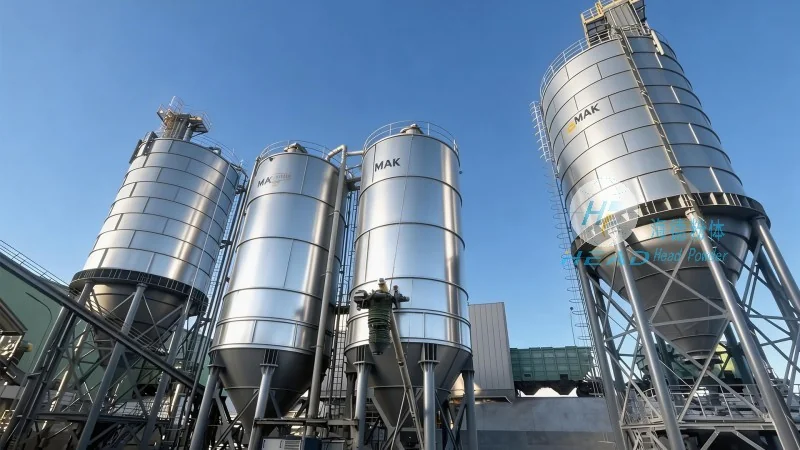
Applications of pellet pneumatic conveying span a wide range of industries. In the construction sector, it is used to transport sand, cement, and other aggregates to different parts of a building site. In agriculture, it is employed to move grain, seeds, and fertilizers from storage silos to processing units. The manufacturing industry utilizes it for transporting raw materials like plastic pellets or metal powders to production lines. The versatility of the system makes it adaptable to various material types and operational requirements.
Conclusion
In summary, pellet pneumatic conveying is a sophisticated and efficient method for transporting bulk materials. Its working principle, based on creating a pressure differential with air or gas, enables reliable and continuous material movement. The key characteristics, including the closed system, flexibility, and energy efficiency, make it a valuable solution for industries seeking to optimize their material handling processes. As a leading provider in this field, Shandong HeadPowder Engineering Co., Ltd. specializes in designing and implementing such systems, ensuring that clients receive tailored solutions that meet their specific operational needs and enhance overall productivity.