Working Principle and Characteristics of Clay Coal Powder Pneumatic Conveying
Release time:2026-09-16 18:01:20
name of the company:Shandong Headpowder Engineering Co., Ltd.
telephone:156-6277-7102
contacts:Zhang manager
Clay coal powder pneumatic conveying represents a critical material handling technology, especially for transporting fine powders such as clay coal. This method leverages air as the primary medium to move powder through a pipeline system. A thorough understanding of its operational principles and defining characteristics is essential for selecting appropriate equipment and optimizing performance in industrial settings.
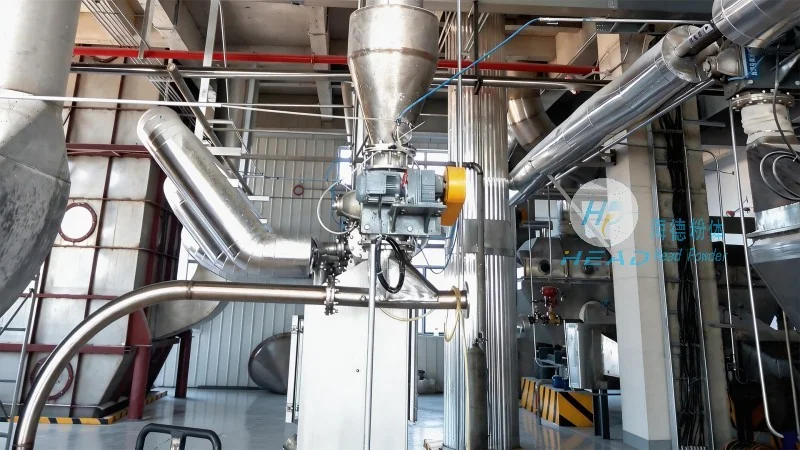
Working Principle of Clay Coal Powder Pneumatic Conveying
The fundamental mechanism of clay coal powder pneumatic conveying centers on utilizing air pressure to transport powder particles. The process typically involves several key stages. Initially, the clay coal powder is introduced into a hopper or feeder. From there, it is fed into a pipeline where compressed air is employed to generate a flow that entrains and transports the powder. The air velocity is carefully regulated to ensure that powder particles are carried without causing excessive pressure loss or degradation. The system commonly incorporates components like a blower, a filter, and a receiver to manage air and powder flow. The blower generates the necessary air pressure, while the filter removes dust or debris from the air before it is released. The receiver collects the conveyed powder at the destination point.
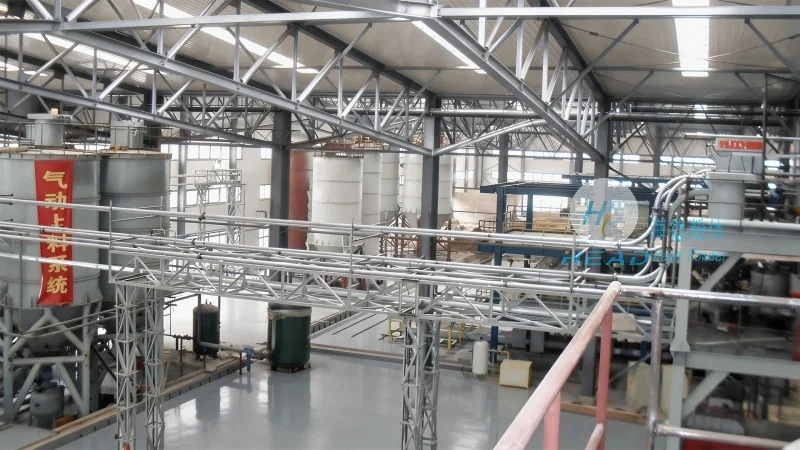
Key Characteristics of Clay Coal Powder Pneumatic Conveying
Several distinct characteristics define the performance and applicability of clay coal powder pneumatic conveying systems. A primary advantage is its ability to handle fine, abrasive powders like clay coal without significant wear or blockages in the pipeline. The system is also relatively compact and can be easily integrated into existing industrial setups. Additionally, it offers flexibility in material transport, allowing for adjustments in flow rate and direction with minimal modifications. However, the technology has limitations, such as the need for proper air filtration to prevent dust accumulation and potential pressure drop over long distances. Proper maintenance and system design are crucial to mitigate these issues and ensure consistent operation.
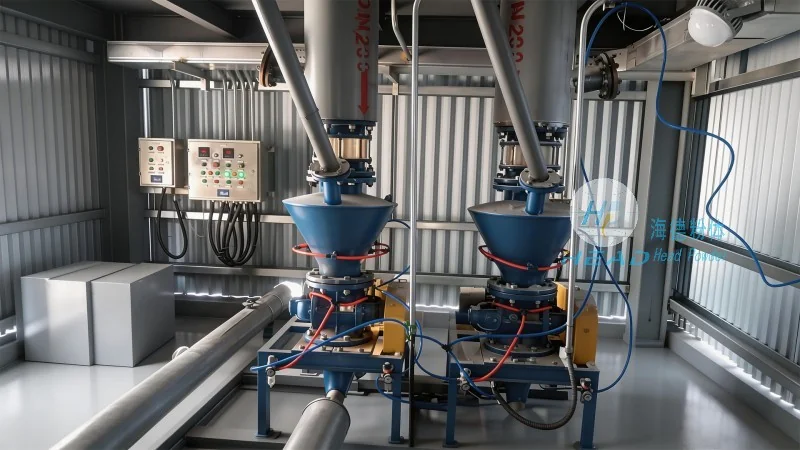
Application and Operational Considerations
Clay coal powder pneumatic conveying is widely utilized across industries including mining, cement production, and chemical processing. The technology is particularly advantageous for applications where traditional mechanical conveying methods may be impractical due to fine particle size or contamination risks. Operational considerations include maintaining consistent air pressure and flow rates, as fluctuations can lead to uneven powder transport or inefficiencies. Regular inspection of the pipeline and filter system is essential to prevent clogging and ensure equipment longevity. By adhering to best practices in system design and maintenance, industries can maximize efficiency and reliability in clay coal powder pneumatic conveying operations.
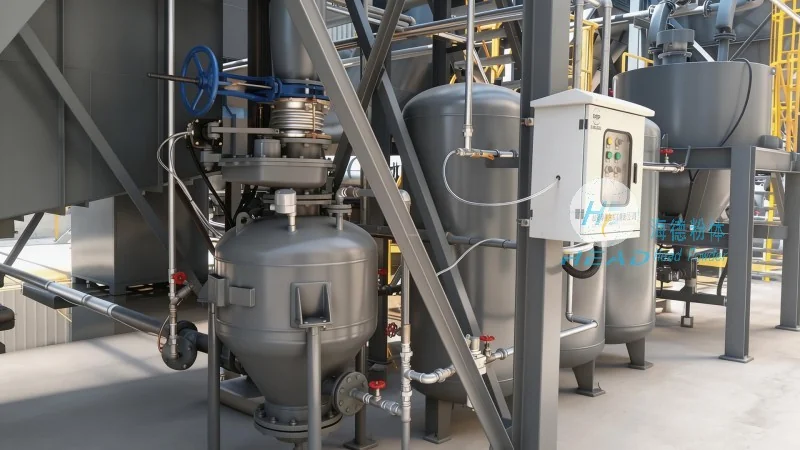
About Shandong HeadPowder Engineering Co., Ltd.
Shandong HeadPowder Engineering Co., Ltd., branded as headpowder, is a leading provider of advanced material handling solutions. With a focus on innovation and quality, the company specializes in designing and manufacturing pneumatic conveying systems tailored to the specific needs of clients in coal and mineral processing sectors. HeadPowder's expertise lies in optimizing material transport processes, ensuring clients achieve improved efficiency, reduced downtime, and enhanced product quality. The company's headquarters is located in Shandong, China, where it leverages local resources and industry knowledge to deliver comprehensive engineering services and support. Through continuous research and development, HeadPowder remains at the forefront of pneumatic conveying technology, helping businesses globally enhance operational capabilities.




