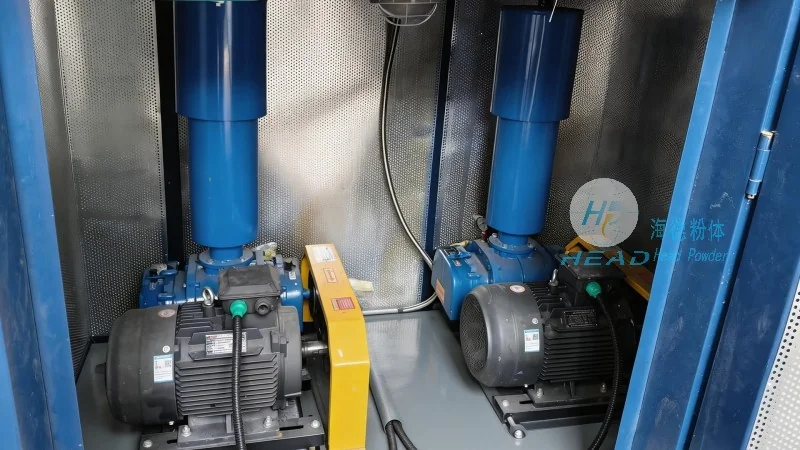
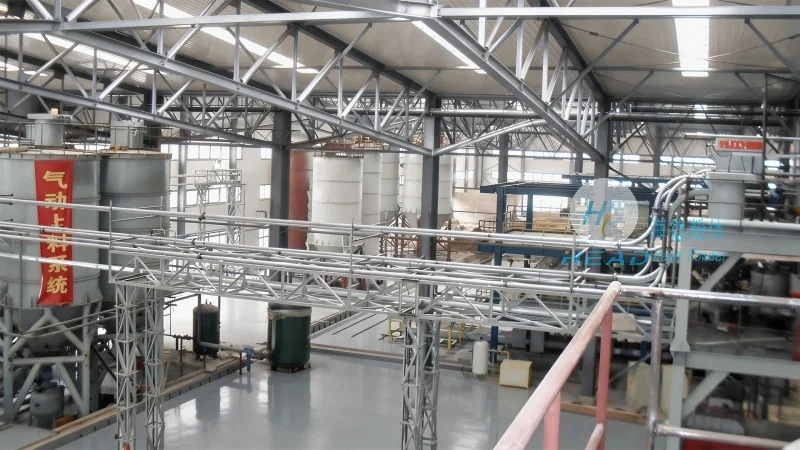
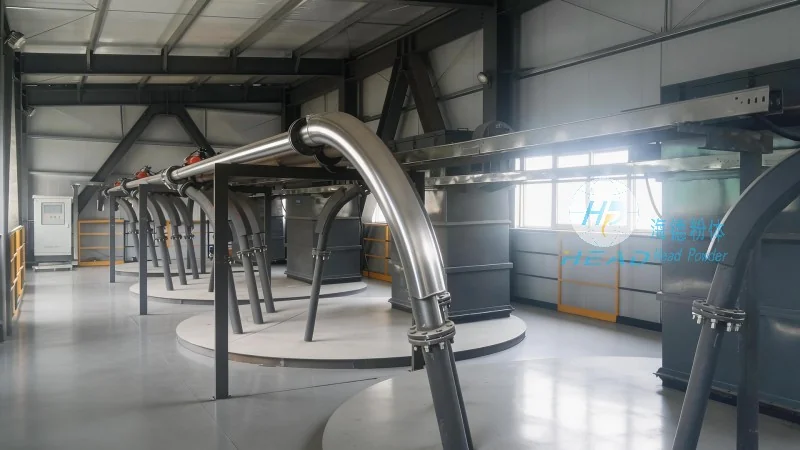
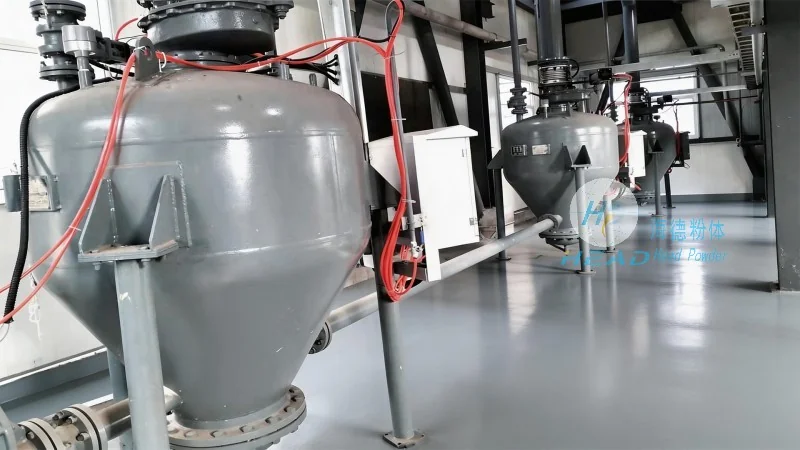
Synthetic fiber pneumatic conveying systems operate by utilizing compressed air to transport bulk materials through a pipeline. The fundamental mechanism involves creating a pressure differential that propels or pulls the material along the conveying line. Synthetic fibers are integrated into the system to enhance the flow characteristics of the material, reducing friction and preventing blockages. The process begins with material storage in a hopper, where the material is fed into the system via a controlled feeder. The feeder regulates the flow rate to match the air flow, ensuring consistent transport. A blower or compressor generates the necessary air pressure, which is introduced into the conveying line. The air stream, moving at a specific velocity, entrains the material particles, carrying them through the pipeline. The synthetic fibers act as a lubricating medium, allowing the material to move smoothly without adhering to the pipe walls. The conveying line is typically made of durable materials such as stainless steel or plastic, designed to withstand the pressure and abrasive nature of the material. The system terminates at a receiver, where the material is deposited after the air is separated and recirculated. The air is filtered and returned to the blower, completing the cycle. The efficiency of the system depends on factors like air velocity, line length, and material properties. Proper design and maintenance are crucial to avoid issues such as material deposition or air leaks, which can reduce system performance.
Key Characteristics and Advantages
Synthetic fiber pneumatic conveying systems possess several distinct characteristics that make them advantageous for various industrial applications. One of the primary characteristics is their ability to handle a wide variety of materials, including fine powders, granules, and even cohesive materials that are difficult to transport using other methods. The synthetic fibers used in the system are engineered to be resistant to wear and tear, ensuring long-term durability and minimal maintenance. Another key characteristic is the system's flexibility in terms of layout and integration. It can be customized to fit existing plant configurations, with the ability to add or modify conveying lines as production needs change. The system also offers high transport efficiency, with minimal material loss and low energy consumption compared to traditional methods like belt conveyors or bucket elevators. The low energy consumption is a significant advantage, as it reduces operational costs and environmental impact. Additionally, the system provides a clean and hygienic transport environment, which is critical for industries such as food and pharmaceuticals where contamination must be avoided. The synthetic fibers are non-porous and easy to clean, ensuring that the material remains free from contaminants. The system's compact design also saves space in industrial facilities, making it suitable for plants with limited floor area. However, it is important to consider the limitations of the system, such as the need for proper air filtration and the potential for material degradation if the system is not properly maintained. Despite these considerations, the benefits of synthetic fiber pneumatic conveying often outweigh the drawbacks, making it a preferred choice for many industries.
Industrial Applications and Performance
Synthetic fiber pneumatic conveying systems are widely utilized across multiple industrial sectors, including chemical manufacturing, pharmaceutical production, food processing, and mining operations. In the chemical industry, they are used to transport powders and granules of chemicals, such as pigments, catalysts, and reagents. The system's ability to handle abrasive and corrosive materials makes it ideal for these applications. The pharmaceutical industry benefits from the system's ability to transport sensitive ingredients without contamination, as the synthetic fibers and clean design prevent cross-contamination. The food industry uses synthetic fiber pneumatic conveying for transporting ingredients like flour, sugar, and spices, maintaining product quality and hygiene. The system's hygienic design ensures that the materials remain free from bacteria and other contaminants. In the mining sector, the system is used to transport ore and other minerals from the mine to processing facilities. The high capacity and efficiency of the system make it suitable for handling large volumes of material. The performance of synthetic fiber pneumatic conveying systems is measured by several key parameters, including transport capacity, pressure drop, and energy consumption. Transport capacity refers to the amount of material that can be moved per unit time, which is influenced by the air velocity and line diameter. Pressure drop is the reduction in air pressure as it moves through the pipeline, which affects the system's efficiency. Energy consumption is the power required to operate the blower or compressor, which is a critical factor in determining the system's cost-effectiveness. Proper system design and maintenance are essential to achieve optimal performance, with regular cleaning of the conveying line and air filters, and inspection of the blower and feeder components. The long service life of the synthetic fiber components and the system's reliability make it a cost-effective solution for industrial material handling needs.




