When it comes to the efficient and reliable handling of positive and negative electrode materials in the battery manufacturing industry, selecting the right transport method is crucial. These materials, often powders or granules, require specialized equipment to ensure they are moved safely and without degradation. This article explores common transport methods for these critical components, with a particular focus on pneumatic conveying systems, and introduces the expertise of Shandong HeadPowder Engineering Co., Ltd., a leading provider in this field based in China.
Understanding the Importance of Material Transport in Battery Production
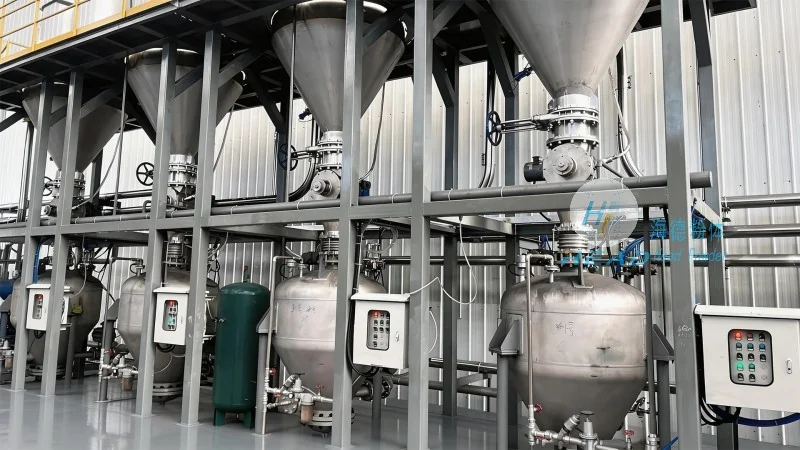
In the battery manufacturing process, the transport of positive and negative electrode materials is a critical step that directly impacts the quality and performance of the final product. These materials, such as lithium cobalt oxide, lithium iron phosphate, or graphite, are sensitive to moisture, contamination, and physical damage. Therefore, the chosen transport method must maintain the integrity of the material while ensuring high throughput and operational efficiency. The right system can minimize downtime, reduce material loss, and enhance overall production line performance.
Common Transport Methods for Electrode Materials
Several methods are employed for transporting positive and negative electrode materials, each with its own advantages and limitations. The most common approaches include mechanical conveying systems like screw conveyors, belt conveyors, and bucket elevators, as well as pneumatic conveying systems. Mechanical systems are generally suitable for bulk materials and can handle larger particle sizes, but they may introduce more friction and potential contamination. Pneumatic systems, on the other hand, offer a more controlled environment, making them ideal for delicate powders.
Pneumatic Conveying Systems: A Detailed Overview
Pneumatic conveying, also known as air conveying, is a method that uses compressed air to move materials through a pipeline. This technology is particularly well-suited for transporting fine powders and granules, as it minimizes material degradation and contamination. There are two main types of pneumatic conveying systems: pressure and vacuum. Pressure systems use compressed air to push material through the pipeline, while vacuum systems use a vacuum to draw material into the line. Both systems can be further categorized into dilute-phase and dense-phase conveying, depending on the air-to-material ratio.
Key Components of Pneumatic Conveying Systems for Electrode Materials
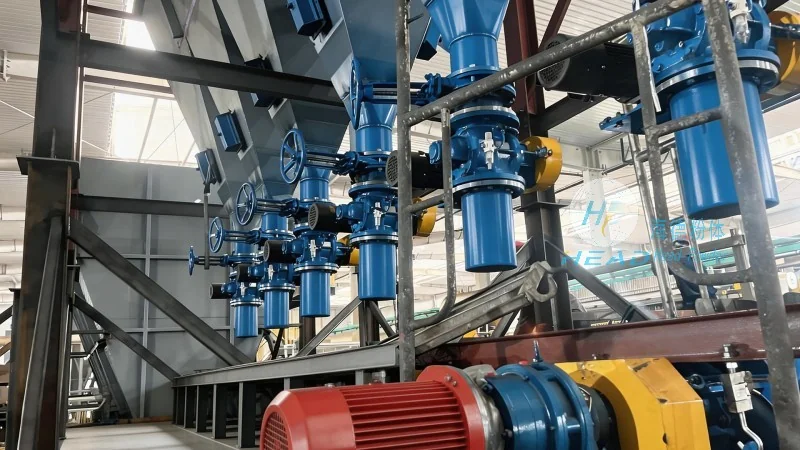
Effective pneumatic conveying systems for positive and negative electrode materials typically consist of several key components. These include a material feeder to introduce the powder into the system, a compressor or vacuum pump to generate the necessary air pressure or vacuum, a pipeline network to transport the material, and a receiver or discharge device to collect the material at the destination. Additional components may include filters to remove dust from the air, silencers to reduce noise, and control valves to regulate the flow. The design of these components is critical to ensure the system operates efficiently and safely.
Advantages of Pneumatic Conveying for Electrode Materials
There are several advantages to using pneumatic conveying systems for the transport of positive and negative electrode materials. First, these systems provide a closed environment, which helps prevent contamination from external sources and reduces dust emissions. This is particularly important in battery manufacturing, where material purity is paramount. Second, pneumatic conveying can handle a wide range of particle sizes and material types, making it versatile for different production needs. Third, the system can be easily integrated into existing production lines, allowing for seamless material flow. Finally, pneumatic conveying systems can offer high throughput rates, enabling faster production cycles.
Considerations for Selecting a Pneumatic Conveying System
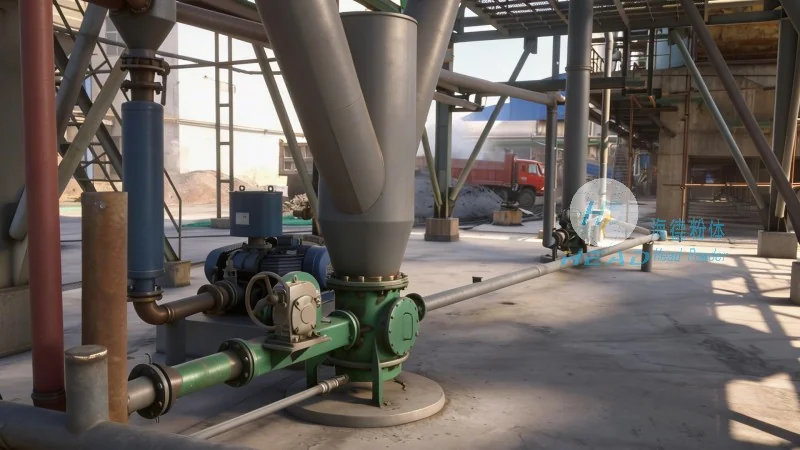
When selecting a pneumatic conveying system for electrode materials, several factors must be considered. The first is the material properties, such as particle size, density, and moisture content, as these can affect the system's performance and efficiency. The second is the required throughput and distance of transport, as these will determine the system's capacity and design. The third is the available space and layout of the production facility, as the system must fit within the existing infrastructure. Finally, the cost of the system and its maintenance requirements should be evaluated to ensure it aligns with the budget and operational needs.
Shandong HeadPowder Engineering Co., Ltd.: Expertise in Pneumatic Conveying Solutions
Shandong HeadPowder Engineering Co., Ltd., based in China, is a leading provider of pneumatic conveying systems and related engineering solutions for the battery industry. With years of experience and a deep understanding of the unique challenges faced by electrode material transport, the company offers customized solutions tailored to the specific needs of its clients. The company's expertise includes the design, manufacturing, and installation of high-quality pneumatic conveying systems that meet the stringent requirements of modern battery production. By leveraging advanced technology and a commitment to quality, Shandong HeadPowder Engineering Co., Ltd. helps manufacturers optimize their material handling processes and improve overall production efficiency.
Conclusion
Choosing the right transport method for positive and negative electrode materials is essential for ensuring the quality and efficiency of battery manufacturing. Pneumatic conveying systems, with their ability to handle delicate powders in a controlled environment, offer significant advantages over traditional mechanical methods. By partnering with a reputable provider like Shandong HeadPowder Engineering Co., Ltd., manufacturers can access advanced pneumatic conveying solutions that enhance their production capabilities and meet the demands of the modern battery industry.




