When it comes to the efficient and reliable transport of lithium-ion battery anode materials, selecting the right method is crucial for maintaining product quality and operational efficiency. The choice of transport system directly impacts the integrity of the anode material, which is a critical component in the battery manufacturing process. In this article, we explore common methods for transporting these materials, with a particular focus on pneumatic conveying as a key technology.
Understanding Lithium-Ion Battery Anode Materials and Their Transport Needs
Lithium-ion battery anode materials, such as graphite, silicon, and other advanced carbon-based or metal-based compounds, are essential for the energy storage capacity of batteries. These materials are typically fine powders or granules with specific particle size distributions and moisture content requirements. The transport process must preserve these characteristics to ensure optimal battery performance. Traditional methods like bulk handling and manual transfer are often insufficient for maintaining the quality and consistency required in modern battery production lines.
Common Transport Methods for Lithium-Ion Battery Anode Materials
Several methods are employed for transporting lithium-ion battery anode materials, each with its own advantages and limitations. The primary methods include bulk handling, mechanical conveying systems like screw conveyors and belt conveyors, and advanced pneumatic conveying systems. Each method has specific applications depending on the material properties, production scale, and environmental considerations.
Pneumatic Conveying: A Preferred Solution for Lithium-Ion Battery Anode Materials
Pneumatic conveying stands out as a highly effective and versatile method for transporting lithium-ion battery anode materials. This technology uses air or other gases to move material particles through a pipeline system. There are two main types of pneumatic conveying: dilute-phase and dense-phase. Dilute-phase systems are suitable for fine powders and can handle long distances and high volumes, while dense-phase systems are ideal for materials that are sensitive to pressure or require gentle handling.
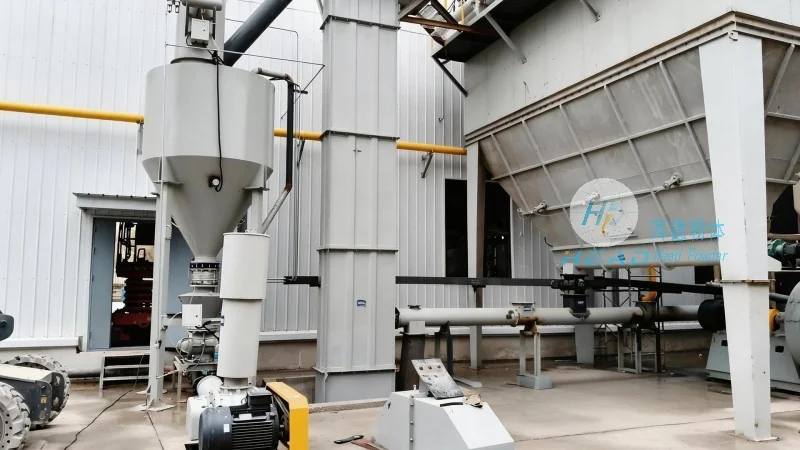
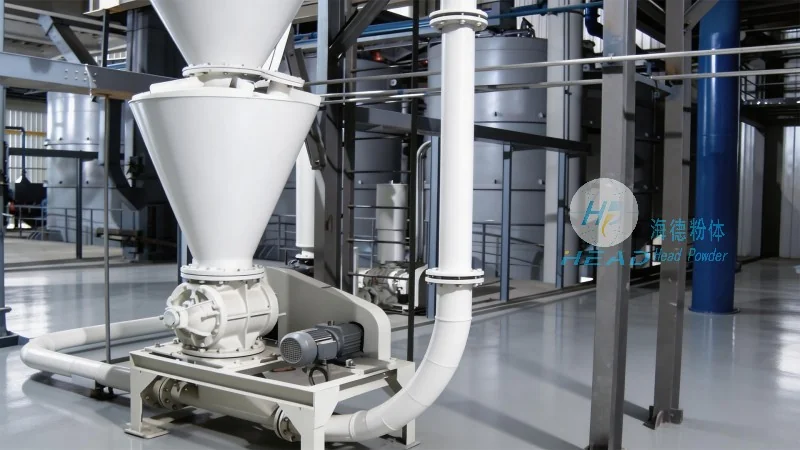
For lithium-ion battery anode materials, the choice of pneumatic conveying system depends on factors such as particle size, moisture content, and the need for minimal product degradation. The system typically includes components like a hopper, feeder, pipeline, and receiver. The feeder controls the flow of material into the pipeline, while the pipeline transports the material to the receiver. The receiver then collects the material, often with features to prevent dust and maintain cleanliness.
Key Advantages of Pneumatic Conveying for Lithium-Ion Battery Anode Materials
There are several key advantages that make pneumatic conveying an attractive option for lithium-ion battery anode material transport. First, it offers a closed system, which helps maintain the purity of the material and prevents contamination from external sources. This is particularly important for anode materials that are sensitive to moisture or other environmental factors. Second, pneumatic conveying can handle fine powders and granules with minimal product degradation, preserving the particle size distribution and moisture content required for battery performance.
Third, the system is highly flexible and can be integrated into existing production lines with minimal modifications. It can transport materials over long distances and at varying speeds, allowing for precise control over the material flow. Fourth, pneumatic conveying systems are generally compact and can be designed to fit into limited space, which is often a constraint in battery manufacturing facilities. Finally, the technology is energy-efficient compared to some other mechanical conveying methods, contributing to lower operational costs.
Considerations for Implementing Pneumatic Conveying Systems
While pneumatic conveying offers many benefits, there are important considerations to ensure successful implementation. The first consideration is the material properties, as different anode materials may require specific system designs. For example, materials with high moisture content may need additional drying or moisture control measures within the conveying system. Second, the system must be designed to handle the specific particle size distribution of the material to prevent blockages or excessive wear on components.
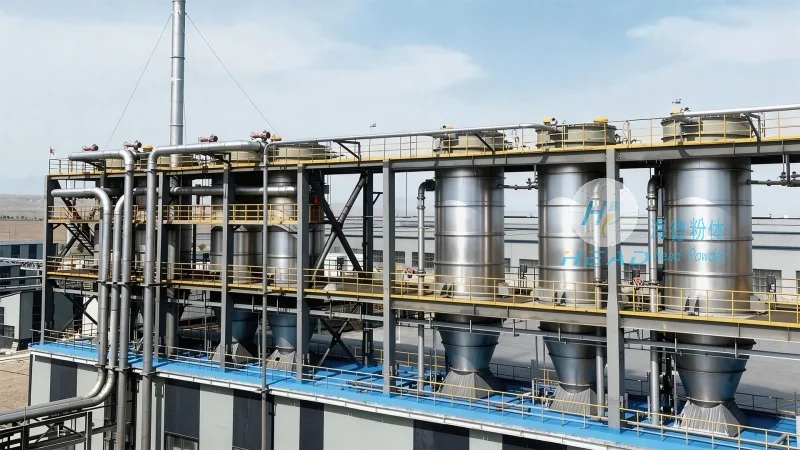
Third, the system's capacity and flow rate must be matched to the production requirements to avoid bottlenecks or overloading. This involves careful calculation of the material's bulk density and the conveying velocity required to maintain a stable flow. Fourth, maintenance and cleaning are critical for maintaining system performance and preventing contamination. Regular maintenance of components like the feeder, pipeline, and receiver is essential to ensure the system operates efficiently and reliably over time.
Conclusion: Choosing the Right Transport Method for Lithium-Ion Battery Anode Materials
In conclusion, the transport of lithium-ion battery anode materials requires careful consideration of the material properties, production scale, and operational requirements. While multiple methods are available, pneumatic conveying emerges as a highly effective and versatile solution, especially for fine powders and sensitive materials. By understanding the advantages and considerations of different transport methods, manufacturers can select the most appropriate system to ensure the quality and efficiency of their battery production processes.
Shandong HeadPowder Engineering Co., Ltd., a leading provider in the field, specializes in the design and implementation of advanced pneumatic conveying systems tailored to the needs of lithium-ion battery manufacturers. With a focus on maintaining product integrity and operational efficiency, HeadPowder offers customized solutions that meet the specific requirements of anode material transport. Based in Shandong, China, the company leverages its expertise to deliver reliable and effective transport solutions for the battery industry.




