When it comes to handling and transporting silica fume, a well-designed pneumatic conveying system is essential for efficiency and reliability. Silica fume, a byproduct of the silicon and steel industry, is known for its fine particle size and high reactivity, making traditional bulk handling methods less suitable. This article outlines key considerations and components for designing an effective silica fume pneumatic conveying system, ensuring optimal performance and minimal operational issues.
Understanding the Core Requirements for Silica Fume Pneumatic Conveying
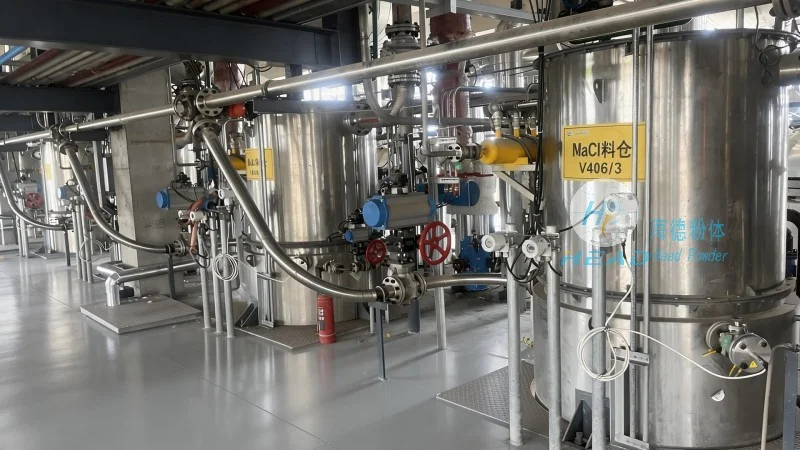
Before diving into system design, it's crucial to understand the unique properties of silica fume that influence system selection. Silica fume particles are typically in the sub-micron range, which can lead to issues like caking, agglomeration, and high dust generation if not handled properly. The system must be designed to maintain particle integrity, prevent blockages, and minimize material degradation during transport. Additionally, factors such as the required conveying distance, flow rate, and ambient conditions (temperature, humidity) must be considered to ensure the system operates within its optimal range.
Key Components of a Silica Fume Pneumatic Conveying System
The heart of any pneumatic conveying system lies in its components, each playing a vital role in the overall performance. For silica fume applications, the following components are typically included:
1. Hopper and Feeder: The system starts with a hopper that stores the silica fume, ensuring a consistent feed. A properly designed feeder, such as a rotary valve or screw feeder, controls the material flow into the conveying line. The feeder must be equipped with features to prevent material bridging or clogging, which is critical given silica fume's fine particle nature.
2. Conveying Line and Tubing: The conveying line is the backbone of the system, responsible for transporting the material. For silica fume, flexible or rigid tubing made of materials resistant to corrosion and abrasion (e.g., stainless steel or high-density polyethylene) is recommended. The line diameter and length are carefully selected to maintain sufficient air velocity to keep particles suspended and prevent deposition.
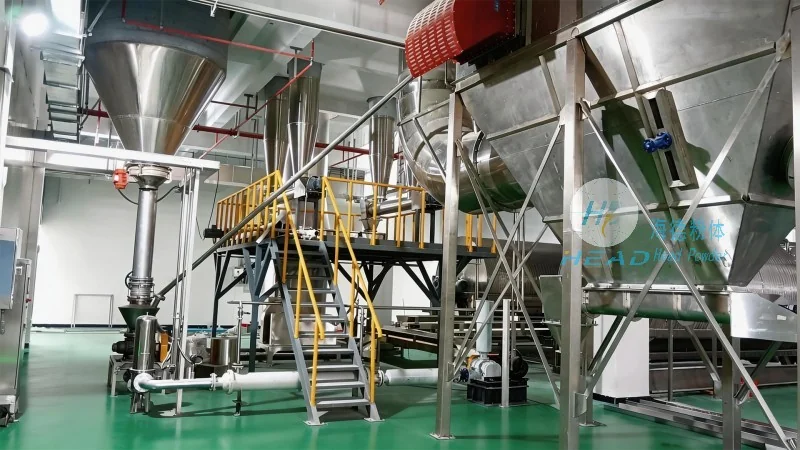
3. Air Supply and Blower: A high-capacity blower or air compressor provides the necessary air pressure and volume to move the material. The choice of blower (positive displacement or centrifugal) depends on the system's pressure requirements and flow rate. For silica fume, a blower capable of maintaining consistent air pressure is essential to avoid fluctuations that could lead to system inefficiencies or material buildup.
4. Separation and Collection: At the end of the conveying line, a separator or cyclone is used to separate the silica fume from the air stream. This component is crucial for dust control and material recovery. The separator must be designed to handle fine particles effectively, ensuring minimal loss and efficient collection. Additionally, a filter or baghouse may be added to capture any residual dust, meeting environmental regulations and maintaining air quality.
Design Considerations for Optimal Performance
Designing a silica fume pneumatic conveying system involves balancing several factors to achieve the best results. Here are some key considerations:
System Pressure and Air Velocity: The pressure and air velocity in the conveying line must be sufficient to keep silica fume particles suspended. Insufficient air velocity can lead to material deposition and blockages, while excessive pressure may increase energy consumption and wear on components. Engineers typically use empirical formulas or software to calculate the optimal air velocity based on particle size, density, and conveying distance.
Material Handling and Wear Resistance: Silica fume is abrasive and can cause wear on system components over time. Therefore, components such as hoppers, feeders, and tubing should be made of durable materials like stainless steel or wear-resistant alloys. Regular maintenance and inspection are necessary to prevent premature failure and ensure long-term system reliability.
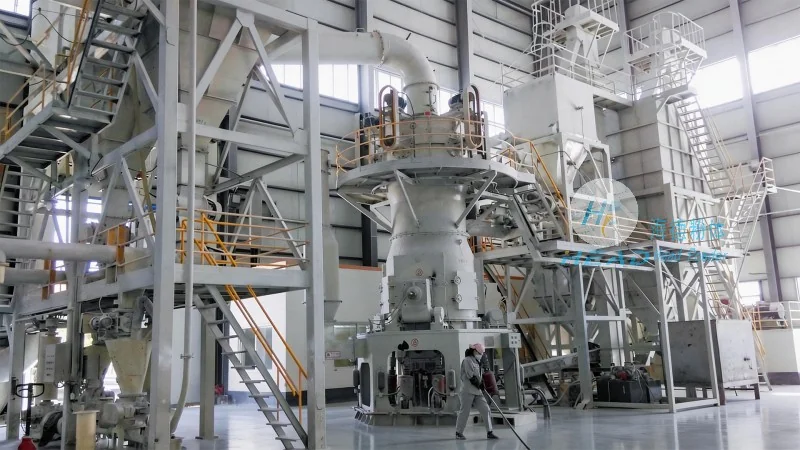
Environmental and Safety Measures: Silica fume is a fine powder that can pose health risks if inhaled. The system must include proper dust control measures, such as sealed hoppers, efficient separators, and exhaust filters. Additionally, safety features like pressure relief valves and emergency shut-off systems should be incorporated to prevent accidents and ensure safe operation.
Case Study: A Successful Silica Fume Pneumatic Conveying System Implementation
Shandong HeadPowder Engineering Co., Ltd., a leading provider of bulk material handling solutions, recently completed a project for a major concrete manufacturer. The client required a system to transport silica fume from storage silos to a batching plant over a distance of 100 meters. The HeadPowder team designed a custom pneumatic conveying system that included a stainless steel hopper with a rotary valve feeder, a high-pressure blower, and a cyclone separator.
The system was designed to maintain an air velocity of 20 m/s, ensuring smooth transport of silica fume without clogging. The client reported a significant improvement in material handling efficiency, with reduced downtime and lower maintenance costs compared to traditional methods. The success of this project highlights the importance of proper system design and component selection for silica fume applications.
Conclusion: Ensuring Efficiency and Reliability in Silica Fume Handling
Designing a reasonable silica fume pneumatic conveying system requires a thorough understanding of the material's properties and careful consideration of system components and operational parameters. By addressing factors such as pressure, air velocity, and component durability, engineers can create a system that meets the specific needs of the application while ensuring long-term efficiency and reliability. Companies like Shandong HeadPowder Engineering Co., Ltd. play a crucial role in providing tailored solutions that help clients optimize their silica fume handling processes and improve overall operational performance.




