For businesses in the flour processing industry, selecting the right conveying method is crucial for efficiency, cost-effectiveness, and product quality. The choice of flour conveying system directly impacts operational productivity, energy consumption, and the overall integrity of the flour. Among the various options available, pneumatic conveying stands out as a modern and efficient solution, particularly for handling fine powders like flour. This article explores common flour conveying methods and highlights the advantages of HeadPowder's pneumatic conveying system, a leading solution from Shandong HeadPowder Engineering Co., Ltd., based in China.
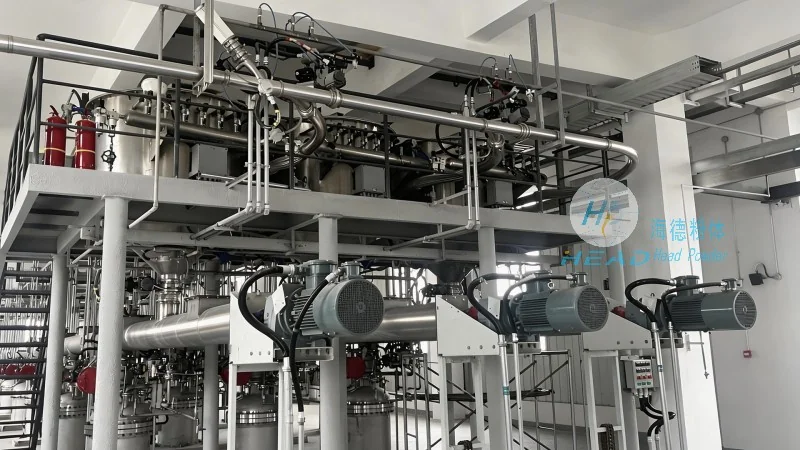
Understanding Different Flour Conveying Methods
Flour conveying systems can be broadly categorized into several types, each with distinct characteristics and applications. The primary methods include gravity conveyors, mechanical conveyors, and pneumatic (air-assisted) conveyors. Each approach has its own set of advantages and limitations, making the selection process critical for optimizing production lines.
Gravity conveyors rely on the natural force of gravity to move flour from one point to another. These systems typically involve inclined chutes or hoppers that allow flour to flow downward. While simple and low-cost, gravity conveyors are limited by the need for a suitable slope and are not suitable for long distances or vertical lifts. They are often used for short-distance transfers within a facility, such as moving flour from a storage silo to a processing area.
Mechanical conveyors, on the other hand, use mechanical components like belts, chains, or screws to transport flour. Belt conveyors are widely used for horizontal or slightly inclined transport, while screw conveyors are effective for vertical or inclined movement. Mechanical systems are robust and can handle a wide range of materials, including bulk and fine powders. However, they require regular maintenance, have higher energy consumption compared to pneumatic systems, and can cause product degradation due to friction and abrasion.
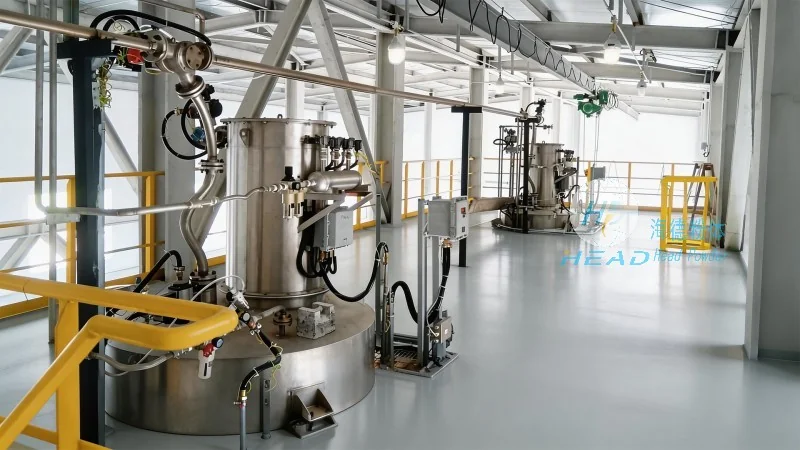
Pneumatic conveying, or air-assisted conveying, uses compressed air to transport flour through a pipeline. This method is particularly effective for fine powders like flour, as it minimizes product degradation, dust generation, and contamination. Pneumatic systems can handle both horizontal and vertical movement, making them versatile for complex production layouts. They also offer high capacity and can be integrated with other processing equipment, such as mixers or classifiers.
HeadPowder's Pneumatic Conveying System: Advantages and Features
HeadPowder, a division of Shandong HeadPowder Engineering Co., Ltd., specializes in designing and manufacturing advanced pneumatic conveying systems tailored for flour processing. The company's solutions are engineered to address the unique challenges of flour handling, including dust control, product purity, and operational efficiency. Key advantages of HeadPowder's pneumatic conveying system include:
First, the system ensures minimal product degradation. Unlike mechanical conveyors, which can cause friction and abrasion, pneumatic systems use air to gently move flour, preserving its quality and texture. This is critical for maintaining the nutritional value and marketability of the flour, especially for high-end products. Second, HeadPowder's systems are highly efficient in terms of energy consumption. By optimizing air flow and pressure, the system minimizes energy waste while maintaining high conveying capacity. This results in lower operational costs and reduced environmental impact.
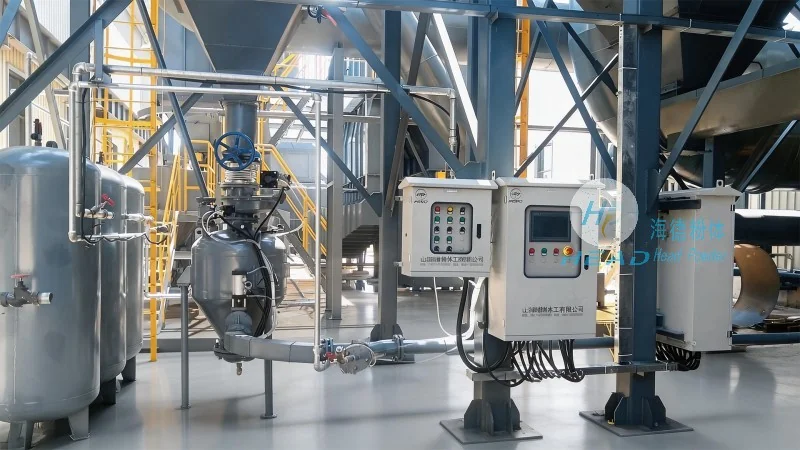
Third, the system offers excellent dust control and containment. Flour is a fine powder that can easily generate dust, which poses health and safety risks. HeadPowder's pneumatic systems are designed with sealed pipelines and advanced filtration, ensuring that dust is contained within the system and does not escape into the environment. This not only protects workers but also complies with environmental regulations. Fourth, the system provides flexibility and scalability. HeadPowder's solutions can be customized to fit various production capacities and layouts, from small-scale operations to large industrial facilities. The modular design allows for easy expansion or integration with existing equipment.
Additionally, HeadPowder's pneumatic conveying system incorporates advanced control technologies. The system uses sensors and automation to monitor air pressure, flow rate, and product level, ensuring consistent and reliable operation. This reduces the need for manual intervention and minimizes downtime. The company also provides comprehensive maintenance and support services, ensuring that clients can maximize the lifespan and performance of their conveying equipment.
Conclusion: Choosing the Right Flour Conveying Solution
When selecting a flour conveying system, businesses must consider factors such as production volume, material characteristics, and operational requirements. While gravity and mechanical conveyors have their uses, pneumatic conveying offers superior performance in terms of efficiency, product quality, and safety. HeadPowder's pneumatic conveying system stands out as a reliable and advanced solution, backed by the expertise of Shandong HeadPowder Engineering Co., Ltd. Based in China, HeadPowder has established itself as a leader in the flour processing industry, providing tailored solutions that meet the evolving needs of modern production lines.




