For companies in the spice processing industry, especially those handling chili powder, selecting an efficient and reliable conveying system is crucial for maintaining product quality and operational efficiency. A well-designed pneumatic conveying system for chili powder not only ensures smooth material transport but also minimizes the risk of contamination and degradation. This article will explore key considerations and steps for designing a reasonable chili powder pneumatic conveying system, with a focus on practical solutions tailored to the unique properties of chili powder.
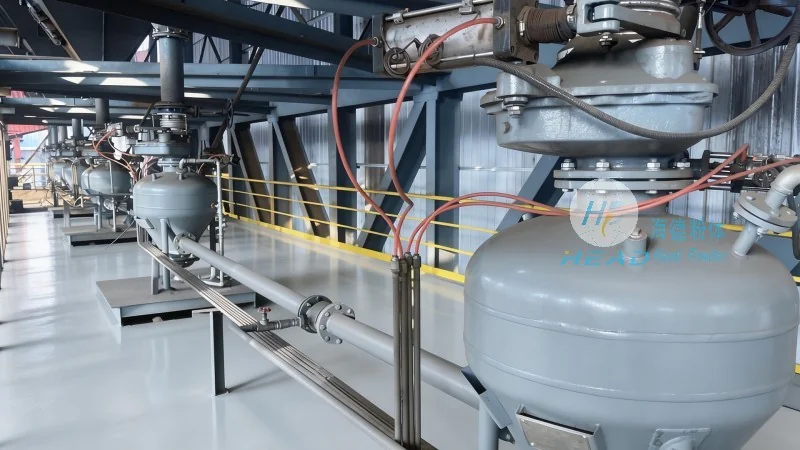
Understanding the Core Requirements of Chili Powder Pneumatic Conveying
Before diving into system design, it's essential to understand the specific characteristics of chili powder that influence conveying performance. Chili powder is typically a fine, dry powder with high moisture content and potential for caking or agglomeration. These properties can affect air flow, pressure drop, and overall system efficiency. Additionally, the material's abrasive nature may impact equipment wear and maintenance schedules. By addressing these factors early in the design process, engineers can select components that are durable and suitable for long-term operation.
Key Design Factors for an Effective Chili Powder Pneumatic Conveying System
Several critical factors must be considered when designing a pneumatic conveying system for chili powder. The first is the choice between pressure and vacuum systems. Pressure systems, which use positive pressure to push material through the pipeline, are often preferred for chili powder due to their ability to handle fine powders and prevent material settling. Vacuum systems, on the other hand, use negative pressure to draw material, which may be suitable for shorter distances or when dealing with lighter powders. The selection depends on the specific application, such as the distance between the source and destination, the volume of material to be conveyed, and the existing infrastructure.
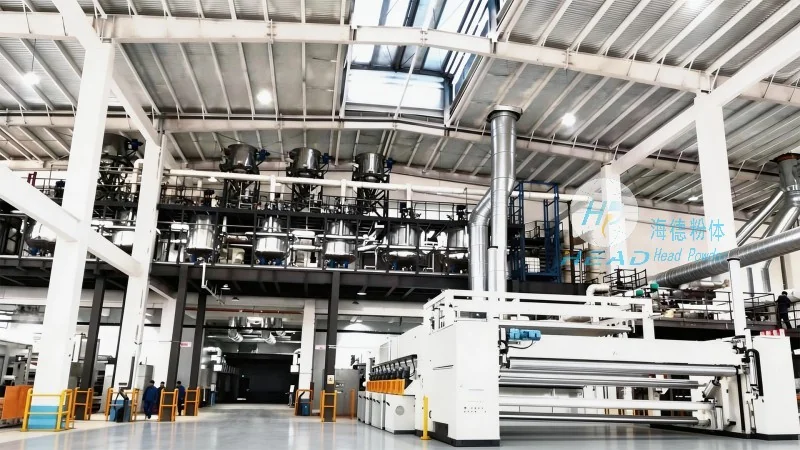
Another important factor is the type of airlock and feeder. For chili powder, rotary airlocks or rotary valves are commonly used to control the flow rate and prevent material backflow. These devices must be designed to handle the fine particles without causing excessive wear or clogging. The choice of material for the airlock components, such as stainless steel or specialized alloys, is critical to ensure compatibility with the abrasive nature of chili powder and to maintain hygiene standards.
System Layout and Pipeline Design Considerations
The layout of the conveying system, including the placement of hoppers, silos, and the path of the pipeline, plays a significant role in system performance. For chili powder, it's important to minimize the number of bends and changes in direction, as these can cause pressure losses and increase the risk of material deposition. The use of smooth, corrosion-resistant materials for the pipeline, such as stainless steel or PTFE-coated pipes, is recommended to prevent material buildup and ensure consistent air flow. Additionally, the inclusion of expansion joints or flexible connectors can help accommodate thermal expansion and reduce stress on the system components.
Control and Monitoring Systems for Optimal Operation
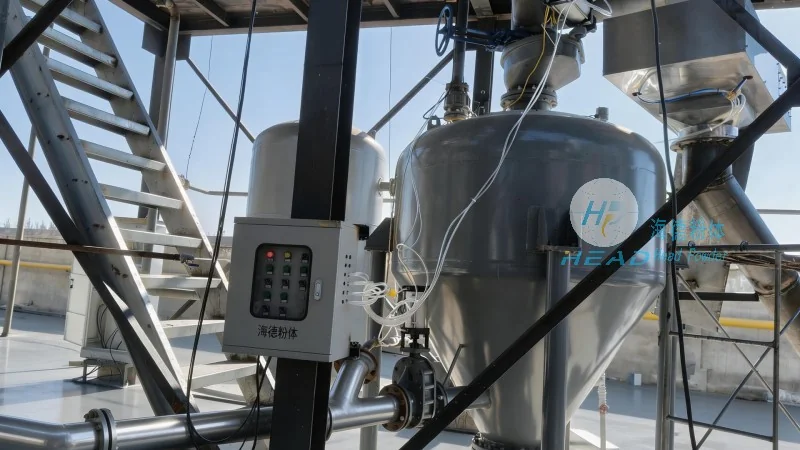
Effective control and monitoring are essential for maintaining the efficiency and reliability of a chili powder pneumatic conveying system. Modern systems often incorporate automated controls that adjust air pressure, flow rate, and material feed based on real-time conditions. Sensors, such as pressure transducers and flow meters, can provide data on system performance, allowing operators to detect and address issues promptly. This proactive approach helps prevent system downtime and ensures consistent product quality. Additionally, the integration of safety features, such as pressure relief valves and emergency shut-off mechanisms, is crucial for protecting both the equipment and personnel.
Maintenance and Long-Term Performance
Proper maintenance is vital to ensure the long-term performance and longevity of a chili powder pneumatic conveying system. Regular cleaning of the pipeline, airlocks, and hoppers is necessary to prevent material buildup and clogging. The use of filters and cyclones to remove dust and fine particles from the air stream can also extend the life of system components and improve overall efficiency. Additionally, scheduling routine inspections and replacing worn parts, such as seals and bearings, can help prevent unexpected failures and reduce maintenance costs over time.
Conclusion: The Importance of Professional Engineering
Designing a reasonable chili powder pneumatic conveying system requires a comprehensive understanding of the material properties, operational requirements, and available technologies. By considering factors such as system type, equipment selection, layout, and control, engineers can develop a solution that meets the specific needs of the spice processing industry. The expertise of companies like Shandong HeadPowder Engineering Co., Ltd. (headpowder) is invaluable in this process, as they specialize in designing and implementing customized conveying systems tailored to the unique challenges of handling chili powder and other fine powders. With the right design and maintenance, a pneumatic conveying system can provide reliable, efficient, and cost-effective material transport for years to come.




