When it comes to handling alloy powders efficiently and safely, the design of a pneumatic conveying system is a critical factor. A well-engineered system not only ensures the smooth transport of materials but also minimizes operational risks and maintenance costs. This article will guide you through the key considerations and steps involved in designing a rational alloy powder pneumatic conveying system, with a focus on practical solutions and expert insights from Shandong HeadPowder Engineering Co., Ltd.
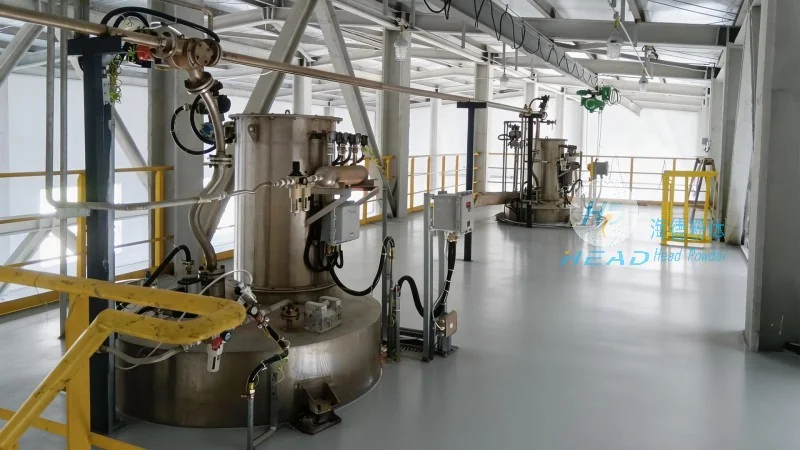
Understanding the Core Principles of Alloy Powder Pneumatic Conveying
Before diving into the design specifics, it's essential to grasp the fundamental principles of pneumatic conveying. This method involves transporting bulk materials like alloy powders using a gas stream, typically air or other gases. The primary goal is to achieve a balance between the conveying velocity and the material's properties to prevent issues such as clogging, particle degradation, or system inefficiencies. Key factors include the material's density, flowability, moisture content, and particle size distribution. These characteristics directly influence the choice of conveying system type—whether it's a dilute-phase or dense-phase system—and the required air velocity and pressure.
Key Design Considerations for Alloy Powder Pneumatic Conveying Systems
Designing an effective alloy powder pneumatic conveying system requires a systematic approach that addresses several critical aspects. First, the system's layout and components must be tailored to the specific material characteristics and the plant's operational constraints. This includes selecting the appropriate hopper design to ensure proper material flow and prevent bridging or segregation. The hopper should be equipped with a suitable feeder, such as a rotary valve or a vibratory feeder, to control the material discharge rate accurately. Additionally, the pipeline design is crucial; it must be sized to handle the required air velocity and material flow without excessive pressure drop or particle deposition.
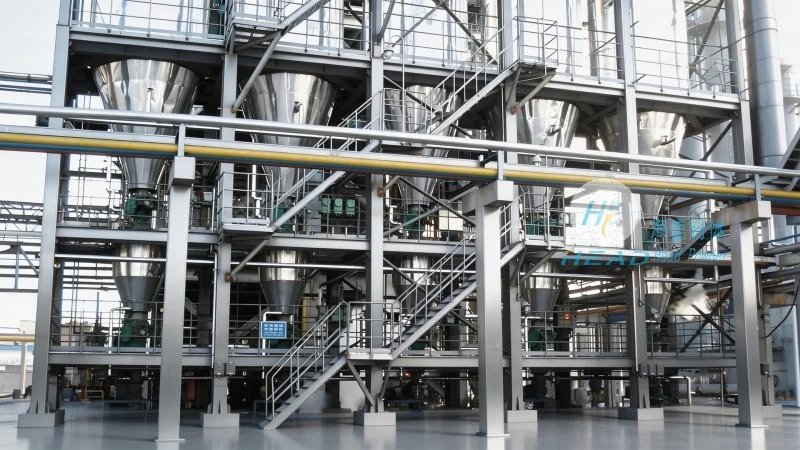
Another critical consideration is the air handling system. The blower or compressor must provide sufficient pressure and airflow to maintain the desired conveying velocity. The choice of equipment depends on the system's capacity and the material's properties. For example, high-pressure systems are often used for dense-phase conveying, which is ideal for abrasive or sensitive materials like alloy powders, as it reduces particle impact and wear on equipment. The air filtration system is also essential to protect the environment and maintain system efficiency by removing dust and particulates from the exhaust air.
System Sizing and Calculations for Alloy Powder Conveying
Accurate system sizing is fundamental to the success of any pneumatic conveying system. This involves calculating the required air velocity, pressure drop, and power consumption based on the material's properties and the system's design parameters. The air velocity must be high enough to keep the particles suspended but low enough to avoid excessive wear and energy consumption. The pressure drop across the system components, including the hopper, feeder, and pipeline, needs to be minimized to ensure efficient operation and reduce energy costs. Shandong HeadPowder Engineering Co., Ltd. employs advanced computational fluid dynamics (CFD) and empirical formulas to perform these calculations, ensuring precise and reliable results.
Material Handling and Process Integration
The integration of the alloy powder pneumatic conveying system with the overall production process is another key aspect of design. The system must be compatible with existing equipment and processes, ensuring seamless material transfer from storage to processing units. This may involve connecting the conveying line to reactors, furnaces, or other processing equipment. The design must also consider the need for material sampling, quality control, and safety measures, such as dust collection and explosion-proofing, especially when handling potentially hazardous alloy powders.
Installation, Commissioning, and Maintenance
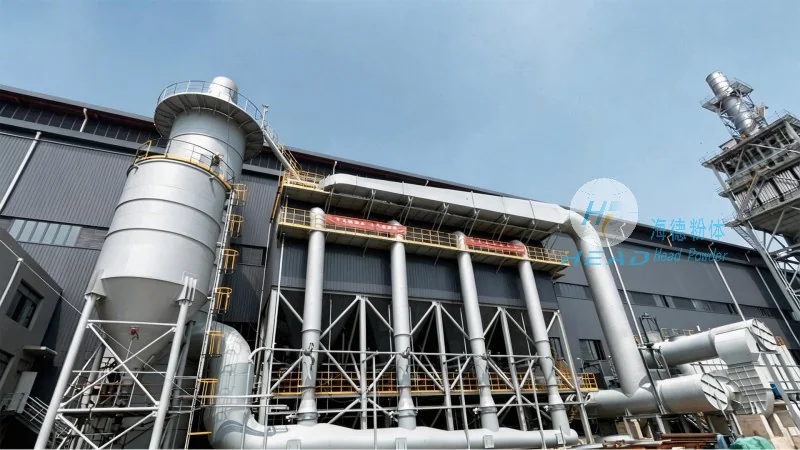
Proper installation and commissioning are vital to ensure the system operates as designed. This includes thorough inspection of all components, proper alignment of pipelines, and testing of the air handling system under load. Regular maintenance is essential to maintain system performance and longevity. Key maintenance tasks include cleaning the hopper and feeder, inspecting the pipeline for wear or blockages, and replacing worn parts like seals and bearings. Shandong HeadPowder Engineering Co., Ltd. offers comprehensive after-sales support, including maintenance services and spare parts supply, to ensure the system remains in optimal condition throughout its operational life.
Conclusion: Designing a Reliable Alloy Powder Pneumatic Conveying System
Designing a rational alloy powder pneumatic conveying system is a complex but essential task that requires a deep understanding of material properties, system components, and operational requirements. By following a systematic approach and considering all key factors, including material handling, system sizing, and maintenance, you can ensure a reliable and efficient system that meets your production needs. Shandong HeadPowder Engineering Co., Ltd. specializes in providing tailored solutions for alloy powder pneumatic conveying, leveraging years of experience and advanced engineering expertise to deliver high-quality systems that enhance operational efficiency and safety.




