Stearic acid sodium, a widely used chemical in various industrial applications, often requires efficient and reliable transportation methods. Pneumatic conveying systems offer a solution that combines flexibility, safety, and cost-effectiveness for handling such materials. This article provides a comprehensive guide on designing a reasonable stearic acid sodium pneumatic conveying system, focusing on key considerations, system components, and practical implementation strategies.
Key Factors in System Design
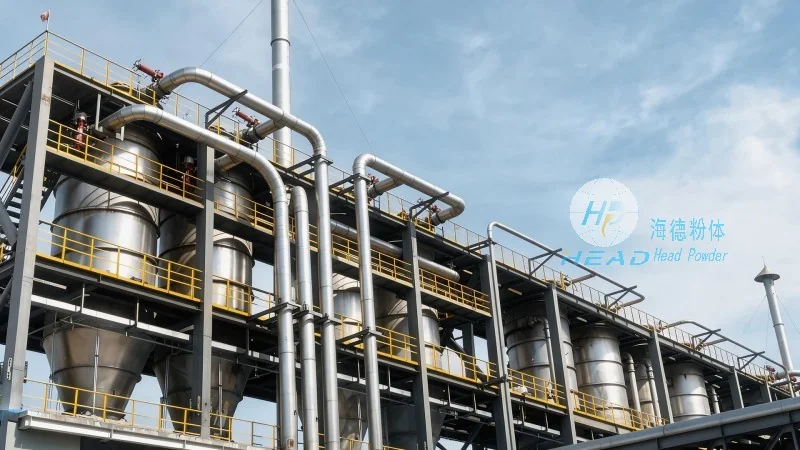
When designing a pneumatic conveying system for stearic acid sodium, several critical factors must be considered to ensure optimal performance and longevity. The first step is to assess the material's physical properties, such as particle size, density, and flowability. These characteristics directly impact the selection of conveying velocity, pressure, and equipment type. For stearic acid sodium, which typically has moderate to fine particle sizes, a positive pressure system is often preferred due to its ability to handle cohesive materials and prevent product degradation.
System Components and Their Roles
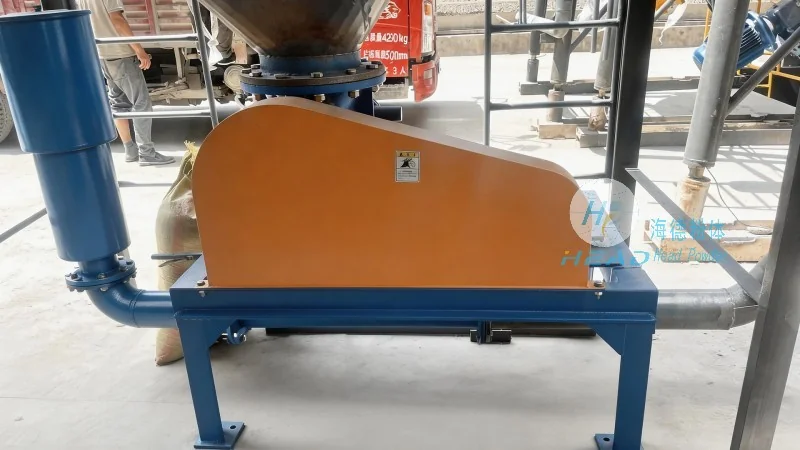
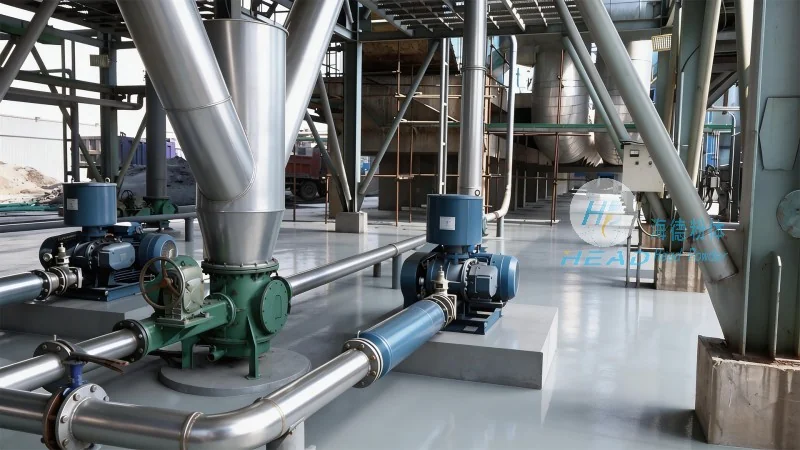
A pneumatic conveying system for stearic acid sodium consists of several interconnected components, each playing a vital role in the overall operation. The primary components include the material feed hopper, which stores and feeds the stearic acid sodium into the system; the conveyor line, which transports the material through the pipeline; the air supply system, which provides the necessary pressure and flow of air; and the separation and collection equipment, which ensures the material is properly discharged and the air is filtered. The material feed hopper is designed to minimize material bridging and ensure a consistent feed rate, which is crucial for maintaining system efficiency. The conveyor line, often made of stainless steel or other corrosion-resistant materials, is sized and configured to handle the material's flow characteristics and prevent blockages. The air supply system, typically powered by a blower or compressor, generates the pressure required to move the material through the pipeline. The separation and collection equipment, such as cyclones or bag filters, remove the material from the air stream and collect it in a designated container, ensuring a clean and efficient process.
Design Considerations for Stearic Acid Sodium
Specific to stearic acid sodium, the system design must address unique challenges related to the material's chemical and physical properties. For instance, stearic acid sodium is hygroscopic, meaning it can absorb moisture from the air, which may affect its flowability and stability. Therefore, the system should incorporate features to minimize exposure to ambient air, such as sealed hoppers and enclosed conveyor lines. Additionally, the material may be prone to caking or agglomeration, especially when exposed to moisture or temperature fluctuations. To mitigate this, the system can include vibrators or agitators in the feed hopper to maintain material flow. The air supply system should also be designed to prevent moisture buildup, as this can lead to corrosion of equipment and affect the material's quality. Regular maintenance and monitoring of the system are essential to ensure that these factors are effectively managed.
Application Examples and Case Studies
Real-world applications of stearic acid sodium pneumatic conveying systems highlight the effectiveness of well-designed solutions. For example, in a food processing facility, a stearic acid sodium pneumatic conveying system was implemented to transport the material from storage to production lines. The system was designed with a positive pressure approach, using stainless steel pipelines and a cyclone separator to ensure efficient material transfer and minimal product loss. The result was a significant reduction in handling time and labor costs, while maintaining product quality and safety. Another application was in a chemical manufacturing plant, where the system was used to convey stearic acid sodium between processing stages. The system incorporated a combination of positive and negative pressure zones to optimize material flow and reduce energy consumption. These case studies demonstrate the importance of tailored system design to meet specific operational requirements and achieve optimal performance.
Conclusion and Recommendations
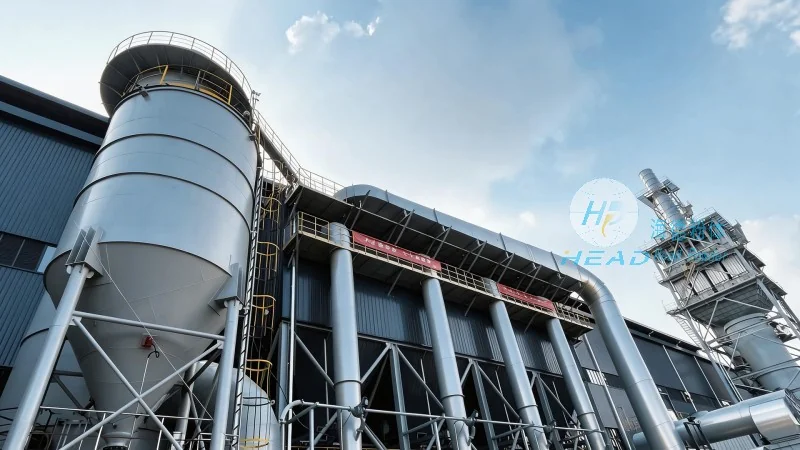
Designing a reasonable stearic acid sodium pneumatic conveying system requires a thorough understanding of the material's properties, operational requirements, and system components. By considering factors such as material flowability, system pressure, and equipment selection, engineers can develop a system that is efficient, reliable, and cost-effective. It is essential to work with experienced professionals, such as those at Shandong HeadPowder Engineering Co., Ltd., who specialize in pneumatic conveying systems. Their expertise in designing and implementing such systems ensures that the final solution meets all safety and performance standards. For businesses looking to enhance their material handling processes, investing in a well-designed stearic acid sodium pneumatic conveying system can lead to improved productivity, reduced costs, and enhanced product quality.




