Efficient handling of copper powder is crucial in various industrial applications, from manufacturing to processing. Understanding the working principles and features of copper powder material handling systems is essential for optimizing production processes and ensuring safety. This article provides an in-depth look at how these systems operate and their key characteristics, with a focus on the expertise of Shandong HeadPowder Engineering Co., Ltd., a leading provider in the field, located in Shandong, China.
Overview of Copper Powder Material Handling Systems
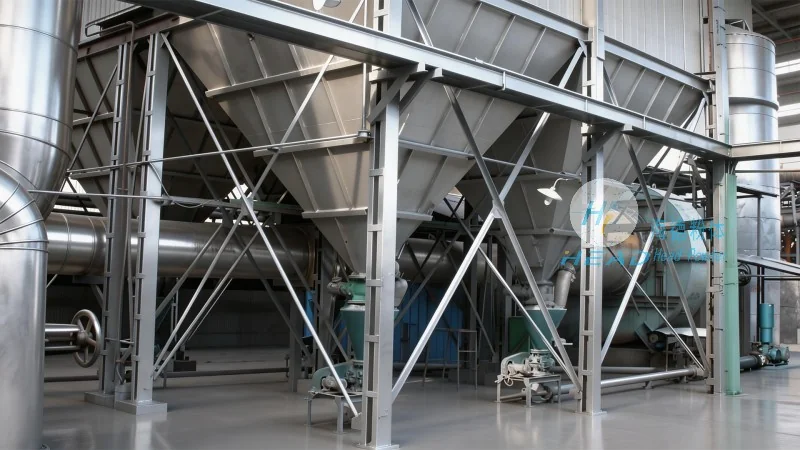
Copper powder material handling involves the movement, storage, and transfer of copper powder from one location to another within industrial facilities. These systems are designed to handle the unique properties of copper powder, such as its fine particle size, reactivity, and potential for dust generation. The primary goal is to ensure efficient and safe material flow while minimizing risks associated with handling powders.
Working Principle of Copper Powder Material Handling
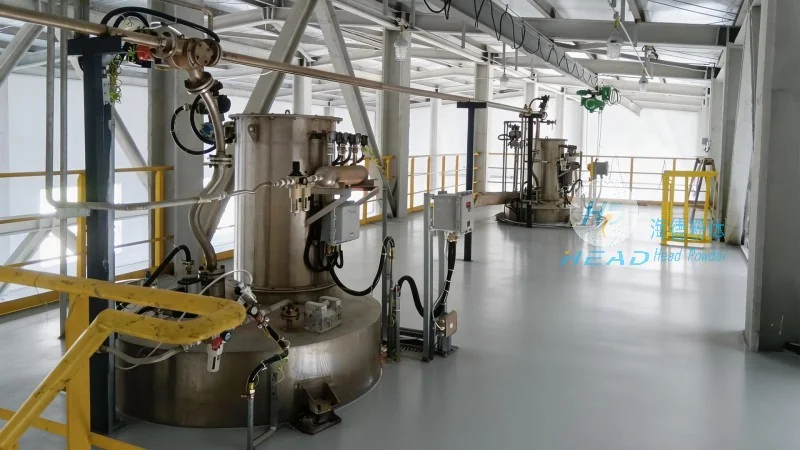
The working principle of copper powder material handling systems typically involves several key components and processes. First, the copper powder is often stored in a hopper or silo, where it is kept under controlled conditions to prevent agglomeration or oxidation. From there, the powder is transferred using pneumatic conveying systems, which utilize air pressure to move the material through pipes. Alternatively, mechanical systems like screw conveyors or belt conveyors may be used for bulk handling. The system may also include dust collection and filtration equipment to ensure environmental compliance and worker safety. The entire process is controlled by a system of valves, regulators, and sensors that monitor flow rates, pressure, and other critical parameters to maintain optimal operation.
Key Characteristics of Copper Powder Material Handling
Several distinct characteristics define effective copper powder material handling systems. One of the most important is the ability to handle fine particles without causing blockages or excessive pressure drops. This requires specialized equipment, such as flexible hoses and low-friction pipes, to accommodate the powder's flow properties. Another critical characteristic is the system's ability to prevent contamination and oxidation. Copper powder is highly reactive, and exposure to air or moisture can lead to degradation, affecting its performance in subsequent applications. Therefore, many systems incorporate sealed containers and inert gas environments to maintain the powder's quality. Additionally, safety features are paramount, as copper powder can create dust clouds that pose health risks. Systems often include explosion-proof designs, dust suppression measures, and emergency shut-off valves to mitigate these hazards. Finally, the system's efficiency and reliability are essential for maintaining production continuity. This includes features like automated controls, real-time monitoring, and quick maintenance access to minimize downtime.
Expertise of Shandong HeadPowder Engineering Co., Ltd.
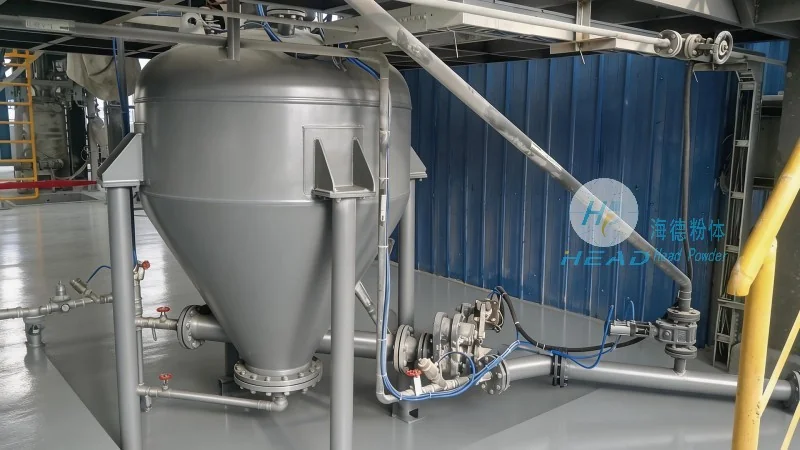
Shandong HeadPowder Engineering Co., Ltd., operating under the brand name headpowder, specializes in the design, manufacturing, and installation of copper powder material handling solutions. With a strong focus on innovation and customer satisfaction, the company has built a reputation for delivering high-quality systems tailored to the specific needs of industrial clients. The company's team of engineers and technicians possesses extensive experience in handling the unique challenges of copper powder, ensuring that each system is optimized for performance, safety, and durability. HeadPowder's commitment to quality is evident in its adherence to industry standards and rigorous testing protocols, which guarantee that their equipment meets the highest safety and efficiency requirements. The company's location in Shandong, China, provides access to a skilled workforce and advanced manufacturing capabilities, enabling them to produce custom solutions that address the diverse demands of the copper powder industry.




