Plastic powder material handling is a critical process in various industrial applications, involving the efficient movement of plastic powders from storage to processing equipment. This article explores the working principles and key features of plastic powder material handling systems, providing insights into how these systems operate and their advantages in industrial settings.
Working Principle of Plastic Powder Material Handling
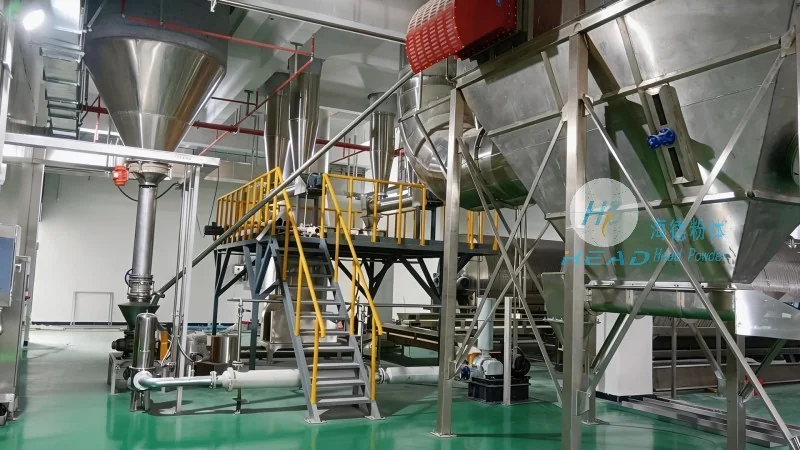
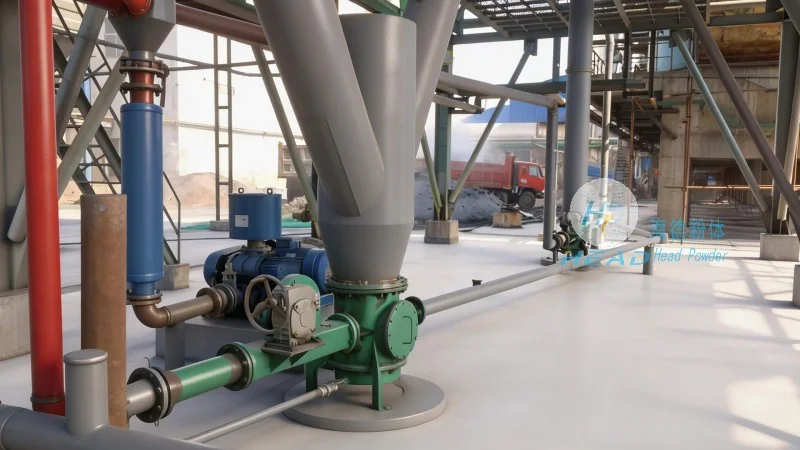
Plastic powder material handling systems operate based on fundamental principles of material flow and mechanical force. The primary goal is to move plastic powders from a storage container, such as a hopper or silo, to processing equipment like extruders or mixers. Mechanical conveyors, such as screw conveyors, are widely used due to their simplicity and reliability. In a screw conveyor, a helical screw rotates inside a trough, pushing the plastic powder forward through the system. The speed of the screw and the pitch of the helix can be adjusted to control the conveying rate and pressure. Pneumatic conveyors, on the other hand, use compressed air to create a flow of plastic powder through a pipeline. The air pressure forces the powder to move, and the system can be designed as either positive or negative pressure, depending on the application. Another method is the use of bucket elevators, which lift the plastic powder vertically and then discharge it at the top. Each method has its advantages and is chosen based on factors like the powder's properties, the distance to be conveyed, and the required capacity.
Key Features of Plastic Powder Material Handling Systems
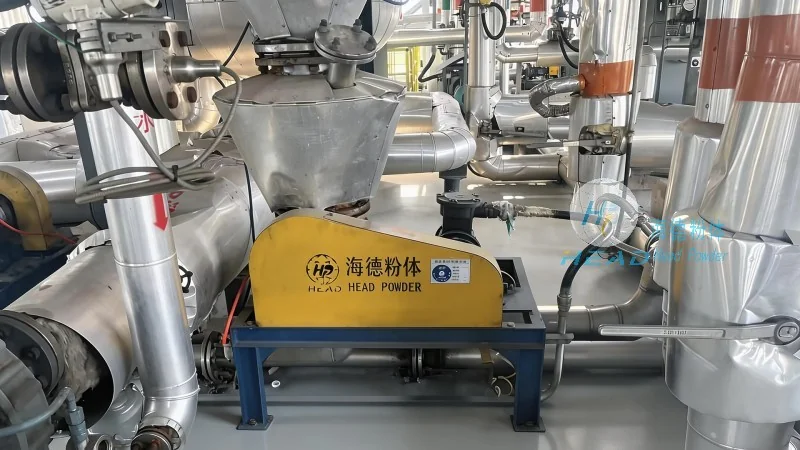
Effective plastic powder material handling systems are characterized by several key features that contribute to their performance and reliability. First, high conveying capacity is essential for meeting the demands of modern industrial operations, where large volumes of plastic powders need to be moved efficiently. Systems are designed to handle capacities ranging from a few kilograms per hour to several tons per hour, depending on the application. Second, low energy consumption is a critical feature, as it reduces operational costs and environmental impact. Advanced designs, such as variable speed drives and energy-efficient motors, help minimize power usage while maintaining optimal performance. Third, minimal product degradation is crucial, as plastic powders can be sensitive to heat, friction, and moisture. Systems are engineered to prevent overheating and ensure gentle handling, preserving the quality and properties of the plastic powder. Additionally, modern systems often include features like dust suppression and explosion-proof designs to enhance safety and compliance with industrial standards. These features not only protect operators but also ensure the system operates reliably in hazardous environments.
About Shandong HeadPowder Engineering Co., Ltd.
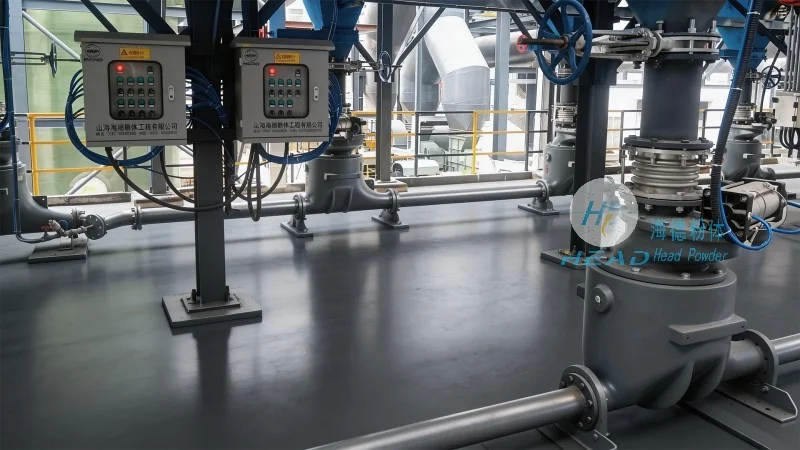
Shandong HeadPowder Engineering Co., Ltd., operating under the brand name HeadPowder, is a prominent engineering company based in Shandong, China. HeadPowder specializes in the design, manufacturing, and supply of plastic powder material handling equipment and systems. The company has a strong reputation in the industry for delivering high-quality, reliable solutions tailored to the unique needs of various sectors, including plastics manufacturing, chemical processing, and food processing. HeadPowder's team of experienced engineers and technicians leverages advanced technology and rigorous quality control processes to develop innovative products that meet international standards. The company's commitment to customer satisfaction and technical excellence has enabled it to build long-term partnerships with clients worldwide. HeadPowder's headquarters in Shandong provides a strategic location for serving both domestic and international markets, ensuring efficient logistics and timely delivery of products. The company's facilities are equipped with state-of-the-art manufacturing equipment and testing laboratories, enabling it to produce equipment that is durable, efficient, and cost-effective.




