High-alumina fly ash material handling is a critical process in industrial operations, particularly in power plants and cement production facilities where fly ash is a byproduct of combustion processes. Understanding the working principle and key characteristics of the material handling systems used for this application is essential for optimizing operational efficiency and ensuring safe material transport. This article provides an in-depth overview of the working principle and features of high-alumina fly ash material handling, with a focus on the technology and design elements that enable effective and reliable material transport.
Working Principle of High-Alumina Fly Ash Material Handling
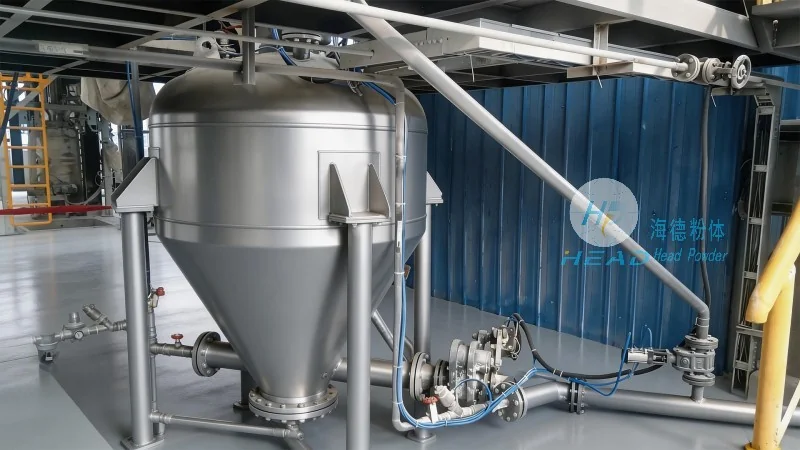
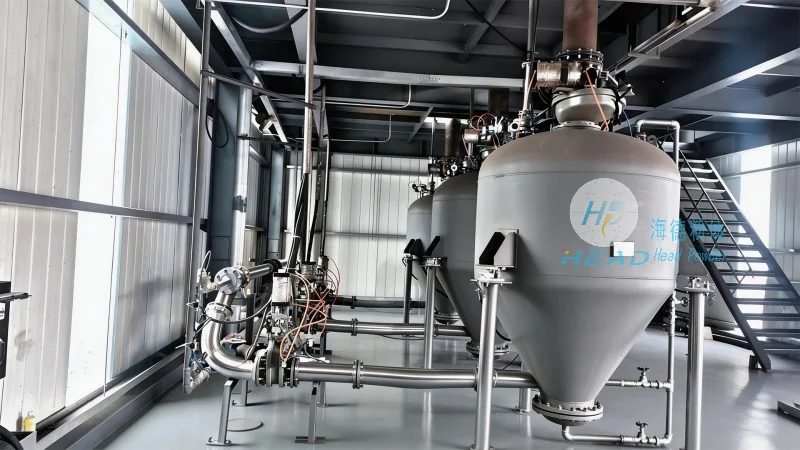
The working principle of high-alumina fly ash material handling systems typically involves several key components and processes designed to handle the unique properties of fly ash. High-alumina fly ash, as the name suggests, has a higher aluminum oxide content compared to other types of fly ash, which can affect its flowability and handling characteristics. The material handling system for high-alumina fly ash often includes a combination of equipment such as conveyor belts, pneumatic conveying systems, or screw conveyors, depending on the specific application and material characteristics. The primary working principle revolves around the efficient transport of the fly ash from its source (e.g., a boiler or storage silo) to its destination (e.g., a processing plant or disposal site). The system is designed to maintain the integrity of the material while minimizing dust generation and ensuring compliance with safety and environmental regulations. For example, in a typical setup, the fly ash is first collected from the boiler and transferred to a storage silo. From there, it is conveyed through a sealed system using a conveyor belt or pneumatic pipeline to the processing area. The conveyor system is equipped with features such as variable speed drives and material flow sensors to control the rate of transport and prevent blockages. Pneumatic conveying systems, on the other hand, use air pressure to move the fly ash through a pipeline, which is particularly effective for handling fine particles and minimizing dust exposure. The working principle also includes mechanisms for controlling the moisture content of the fly ash, as high moisture levels can affect its flowability and increase the risk of clogging. This is often achieved through drying processes or moisture control systems integrated into the material handling line. Overall, the working principle of high-alumina fly ash material handling is centered on the efficient, safe, and controlled transport of the material, leveraging specialized equipment and design to address the unique challenges posed by this type of fly ash.
Key Characteristics of High-Alumina Fly Ash Material Handling
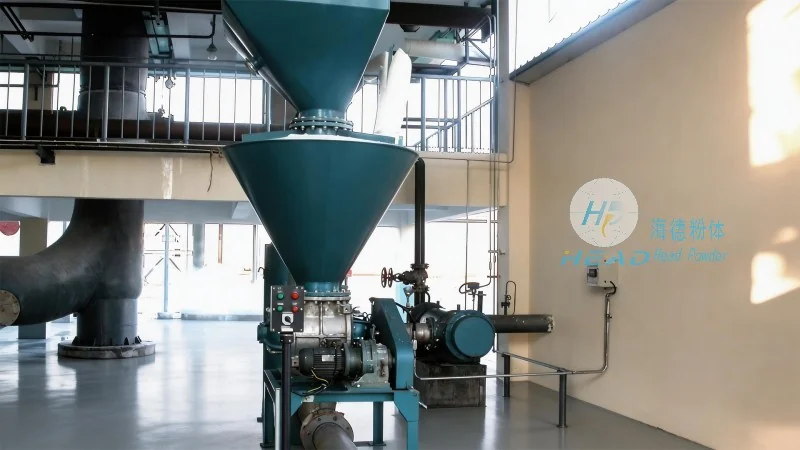
High-alumina fly ash material handling systems exhibit several distinct characteristics that set them apart from handling other materials. The first and most significant characteristic is the need for specialized equipment due to the unique physical and chemical properties of high-alumina fly ash. Unlike other bulk materials, high-alumina fly ash has a higher density and can be more abrasive, which requires the use of durable and corrosion-resistant materials in the conveyor components. For instance, the conveyor belts used in high-alumina fly ash handling are often made of high-quality rubber or polyurethane, with reinforced surfaces to withstand the abrasive nature of the material. The conveyor rollers and idlers are also designed with heavy-duty bearings and protective coatings to prevent wear and tear. Another key characteristic is the emphasis on dust control and environmental compliance. High-alumina fly ash is a fine powder that can easily generate dust, which poses health and safety risks to workers and can lead to environmental contamination. Therefore, the material handling systems are equipped with dust suppression measures such as sealed enclosures, dust collection systems, and air filtration units. These features help to minimize dust emissions and ensure that the material is handled in a safe and environmentally responsible manner. The third characteristic is the importance of system flexibility and adaptability. High-alumina fly ash applications vary widely, from power plants to cement production facilities, and the material handling systems must be able to accommodate different flow rates, material volumes, and operational conditions. This is achieved through modular design, where components can be easily added or removed to adjust the system's capacity. Additionally, the systems often include automation and control features, such as PLC (Programmable Logic Controller) systems, to monitor and control the material flow in real-time. This allows for precise control over the transport process and helps to prevent issues such as overloading or underloading. The fourth characteristic is the focus on energy efficiency and operational cost reduction. High-alumina fly ash material handling systems are designed to minimize energy consumption and operational costs while maintaining high performance. This is achieved through the use of energy-efficient motors, variable speed drives, and optimized system designs that reduce the need for frequent maintenance and repairs. For example, the conveyor systems are equipped with energy-saving motors that adjust their speed based on the material flow rate, reducing unnecessary energy consumption. The use of durable materials and well-designed components also helps to extend the system's lifespan and reduce long-term maintenance costs. Overall, the key characteristics of high-alumina fly ash material handling systems reflect the need to address the unique challenges of handling this material while ensuring operational efficiency, safety, and environmental compliance.
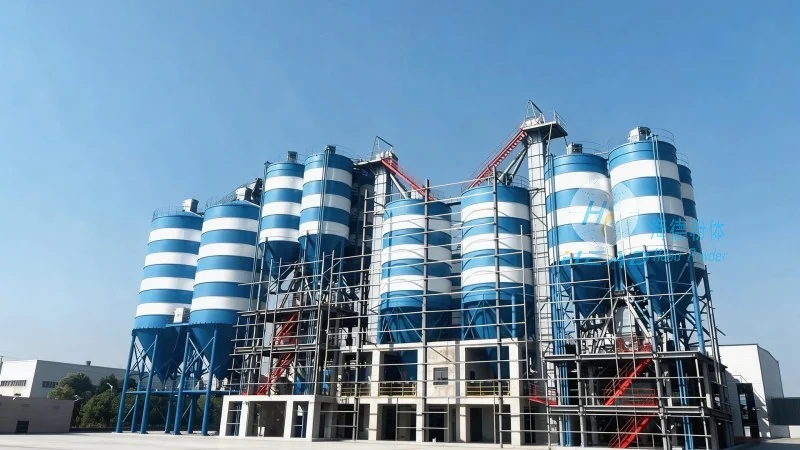
Shandong HeadPowder Engineering Co., Ltd., commonly known as HeadPowder, is a leading provider of specialized material handling solutions for high-alumina fly ash and other bulk materials. With a strong focus on innovation and customer satisfaction, HeadPowder has developed advanced systems and technologies that address the unique challenges of handling high-alumina fly ash in industrial applications. The company's expertise in material handling engineering, combined with its commitment to quality and reliability, has made it a trusted partner for power plants, cement manufacturers, and other industries that rely on efficient and safe transport of high-alumina fly ash. HeadPowder's systems are designed to meet the specific needs of each client, ensuring optimal performance and compliance with industry standards and regulations. By leveraging its extensive experience and advanced technology, HeadPowder continues to provide high-quality material handling solutions that enhance operational efficiency and reduce costs for its clients.




