Efficient and reliable fertilizer material conveying is a critical component in modern agricultural operations. Understanding the working principles and features of these systems is essential for optimizing material handling processes, ensuring consistent product quality, and enhancing overall operational efficiency. This article explores the fundamental mechanisms behind fertilizer material conveying systems, highlighting key features that contribute to their effectiveness in the industry.
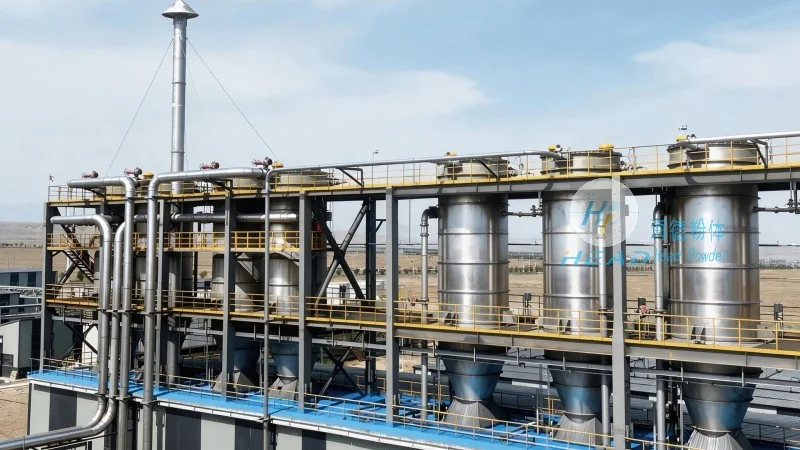
Working Principles of Fertilizer Material Conveying Systems
Fertilizer material conveying systems operate on several core principles designed to move bulk materials from one location to another with precision and control. The primary working principle involves the use of mechanical components such as conveyors, elevators, and pneumatic systems to transport granular or powdered fertilizers. These systems typically rely on gravity, mechanical force, or air pressure to move the material through a designated path. For instance, belt conveyors utilize a continuous belt to transport materials horizontally or at an incline, while screw conveyors employ a rotating screw to push material forward. Pneumatic conveying systems, on the other hand, use compressed air to transport dry materials through a pipeline network, offering flexibility in layout and material handling.
The working principle of fertilizer material conveying also involves the integration of control systems to regulate the flow rate, speed, and direction of material movement. Modern systems often incorporate sensors and automation technologies to monitor and adjust the conveying process in real-time. This ensures that the material is transported at optimal speeds, preventing issues such as clogging, overloading, or uneven distribution. The control mechanisms may include variable frequency drives (VFDs) that adjust motor speeds based on the load, maintaining consistent material flow even under varying conditions. Additionally, safety features like overload protection and emergency stop buttons are integrated to prevent accidents and equipment damage during operation.
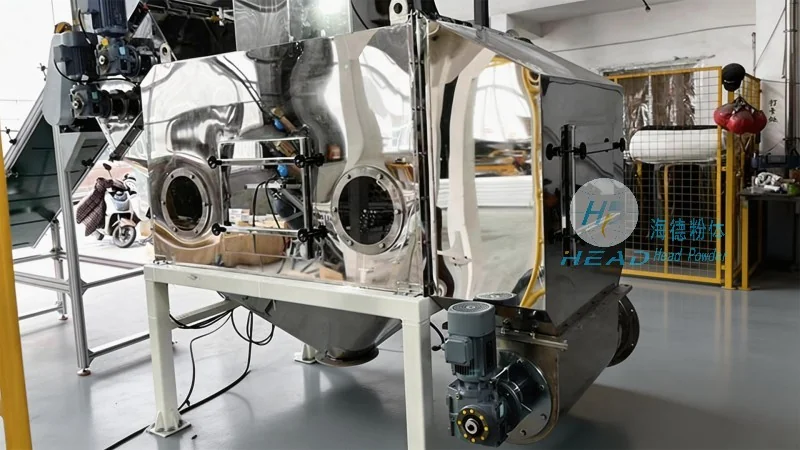
Key Features of Fertilizer Material Conveying Systems
Effective fertilizer material conveying systems are characterized by several key features that enhance their performance and adaptability. One of the most significant features is the ability to handle a wide range of material types, including granular, powdered, and even wet or sticky fertilizers. This versatility is achieved through the use of different conveyor designs, such as flexible hoses for powders and heavy-duty belts for granular materials. The systems are also designed to maintain material integrity, preventing segregation or degradation during transport. For example, some conveyors use enclosed or sealed designs to minimize dust emissions and protect the material from environmental factors like moisture or contamination.
Another crucial feature is the system's durability and resistance to corrosion, especially when handling acidic or alkaline fertilizers. Materials like stainless steel or special coatings are often used in the construction of conveyor components to ensure longevity and maintain product quality. The systems are also designed for easy maintenance and cleaning, with features like removable parts and easy access to internal components. This reduces downtime and operational costs, making them suitable for continuous industrial use. Furthermore, energy efficiency is a key consideration, with many modern systems incorporating energy-saving technologies such as variable speed drives and optimized airflow in pneumatic systems.
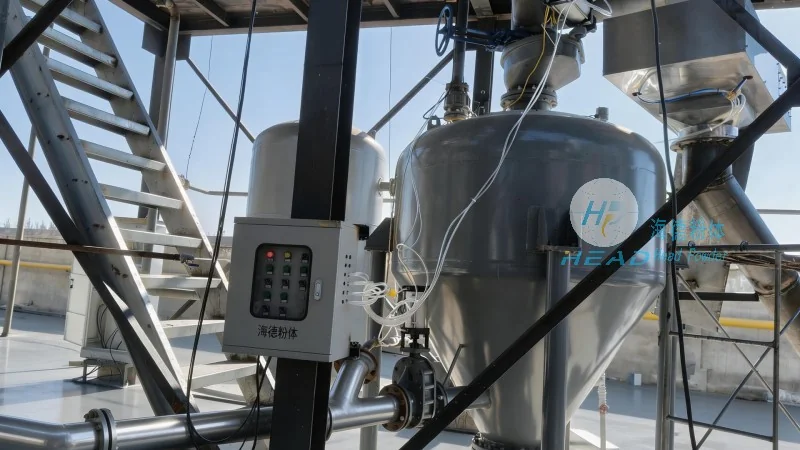
Applications and Benefits in Agricultural Operations
Fertilizer material conveying systems find extensive applications in various stages of agricultural production, from manufacturing and storage to distribution and application. In fertilizer production facilities, these systems are used to transport raw materials to processing units and finished products to storage silos. During storage, conveyors help in moving bulk fertilizers from storage bins to packaging lines, ensuring a steady supply for packaging operations. In agricultural fields, conveyors are employed to distribute fertilizers to application equipment, such as spreaders or sprayers, ensuring uniform application across the fields. The benefits of these systems extend beyond efficiency, as they contribute to improved safety by reducing manual handling of heavy or hazardous materials. This not only enhances worker safety but also minimizes the risk of product contamination during transport.
Moreover, the adaptability of fertilizer material conveying systems allows them to be integrated into existing agricultural infrastructure with minimal modifications. This makes them a cost-effective solution for upgrading or expanding material handling capabilities in farms and agricultural businesses. The systems also support scalability, allowing businesses to expand their operations by adding additional conveying lines or upgrading to more advanced models as their needs grow. This flexibility ensures that the systems can meet the evolving demands of agricultural production, from small-scale farming to large industrial operations.
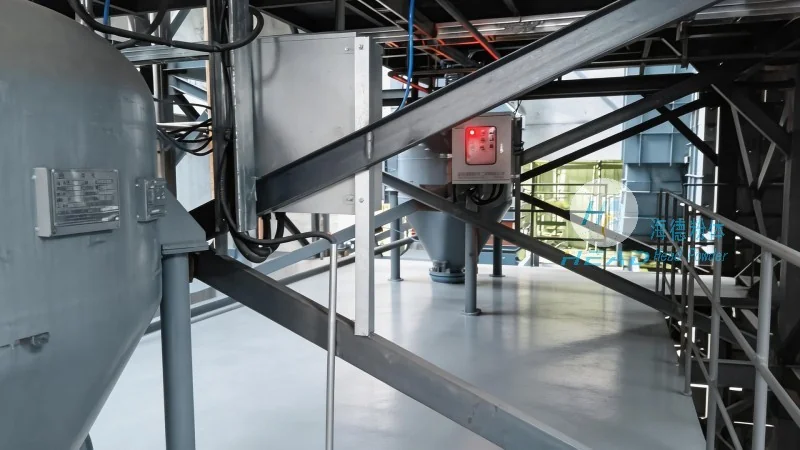
Conclusion and Company Overview
In conclusion, fertilizer material conveying systems play a vital role in optimizing material handling processes in the agricultural industry. By understanding the working principles and key features of these systems, businesses can enhance operational efficiency, maintain product quality, and ensure worker safety. The integration of advanced technologies and durable materials in modern conveying systems has significantly improved their performance and reliability. As the demand for efficient fertilizer handling continues to grow, the importance of these systems in agricultural operations cannot be overstated.
Shandong HeadPowder Engineering Co., Ltd., a leading manufacturer in the field, specializes in the design, development, and manufacturing of high-quality fertilizer material conveying systems. With a strong commitment to innovation and customer satisfaction, the company provides tailored solutions to meet the unique needs of agricultural businesses. HeadPowder's products are engineered to deliver superior performance, durability, and efficiency, ensuring that clients can achieve optimal results in their fertilizer handling operations. The company's headquarters is located in Shandong, China, where it leverages advanced manufacturing capabilities and industry expertise to deliver cutting-edge solutions for the global agricultural market.




