When it comes to designing an efficient and reliable pneumatic conveying system for polyethylene resin powders, several critical factors must be considered to ensure optimal performance and longevity. The process involves a comprehensive analysis of material properties, operational requirements, and system integration to create a solution that meets both current and future production needs.
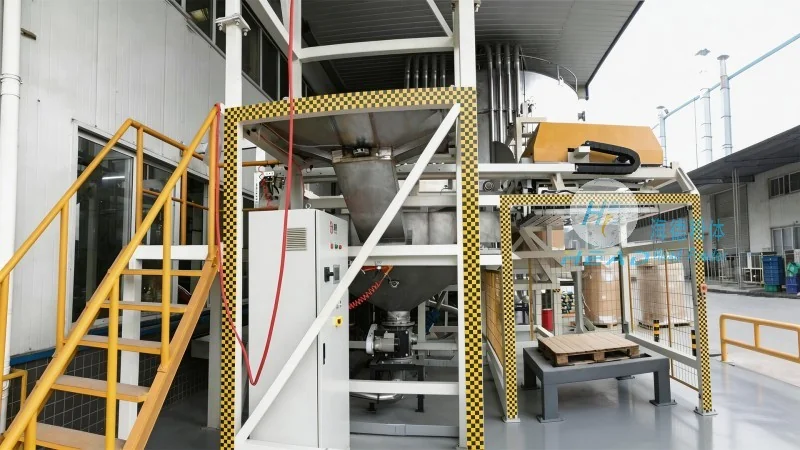
Key Considerations in Polyethylene Resin Powder Pneumatic Conveying System Design
One of the primary considerations is the physical and chemical characteristics of the polyethylene resin powder. These materials often exhibit specific flow properties, such as bulk density, particle size distribution, and moisture content, which directly impact the selection of conveying equipment and system configuration. For instance, polyethylene powders may have a tendency to agglomerate or become static-charged, requiring specialized equipment like static eliminators or anti-static additives to maintain consistent flow and prevent material buildup in the system.
Another crucial aspect is the system's operational environment, including the required conveying distance, elevation changes, and throughput capacity. The choice between positive pressure, negative pressure, or hybrid systems depends on these variables. Positive pressure systems, for example, are commonly used for long-distance or high-elevation conveying due to their ability to maintain consistent air pressure and prevent material degradation. In contrast, negative pressure systems are often preferred for short-distance or low-elevation applications where dust containment is a priority.
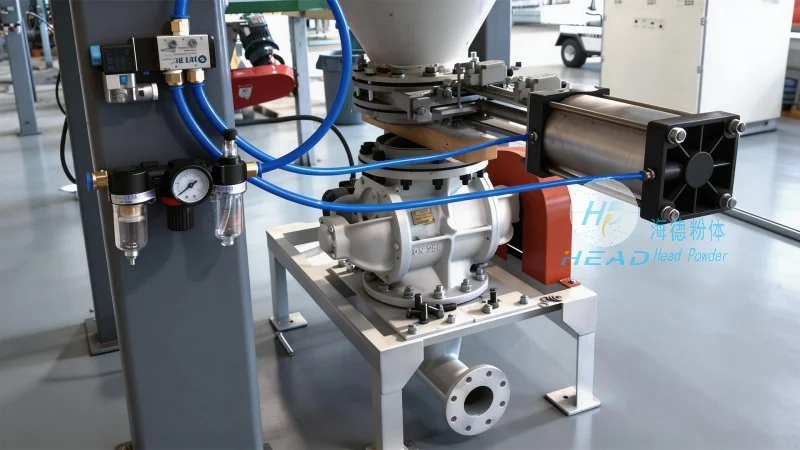
System Components and Their Roles in Polyethylene Resin Powder Conveying
The core components of a pneumatic conveying system for polyethylene resin powders typically include a material feed hopper, a conveyor line (either vertical or horizontal), a dust collector, and a control system. The feed hopper is designed to store and meter the resin powder, ensuring a steady supply to the conveyor. It may incorporate features like level sensors and flow control valves to regulate the material feed rate, preventing overloading or underfeeding that could lead to system inefficiencies.
The conveyor line, which can be either vertical or horizontal, is responsible for transporting the resin powder through the system. Vertical conveyors are ideal for applications requiring significant elevation changes, while horizontal conveyors are suitable for short-distance or level conveying. The design of the conveyor line, including the pipe diameter, material, and internal surfaces, is critical to minimize friction and prevent material degradation. For polyethylene resin powders, smooth, corrosion-resistant materials like stainless steel or high-density polyethylene are often used to avoid contamination and ensure durability.
The dust collector plays a vital role in maintaining air quality and system safety. It captures any airborne particles released during the conveying process, preventing dust accumulation in the system and ensuring compliance with environmental regulations. The dust collector's capacity and filtration efficiency must be matched to the system's airflow and material characteristics to ensure effective dust removal without causing system backpressure or material blockages.
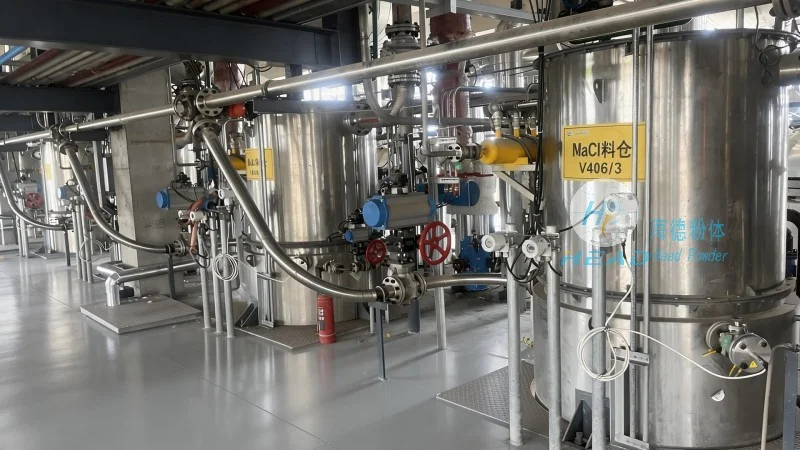
The control system integrates all components of the pneumatic conveying system, monitoring and adjusting parameters such as air pressure, material flow rate, and system temperature. Advanced control systems may include sensors and automation technologies to optimize performance, detect faults, and prevent system failures. For polyethylene resin powders, real-time monitoring of material moisture content and temperature is essential to prevent degradation and ensure product quality.
Design Process and Best Practices for Polyethylene Resin Powder Pneumatic Conveying Systems
The design process for a polyethylene resin powder pneumatic conveying system typically involves several stages, starting with a thorough analysis of the material and operational requirements. This initial phase includes collecting data on the resin powder's physical properties, such as particle size, bulk density, and moisture content, as well as the system's operational parameters, including conveying distance, elevation, and throughput. The data is then used to select appropriate equipment and system configurations that meet the specific needs of the application.
Once the equipment and system configuration are determined, detailed engineering calculations are performed to ensure the system's performance and reliability. These calculations include determining the required air flow rate, pressure drop across the system, and power consumption. The results of these calculations help optimize the system design, ensuring that it operates efficiently and within the specified parameters.
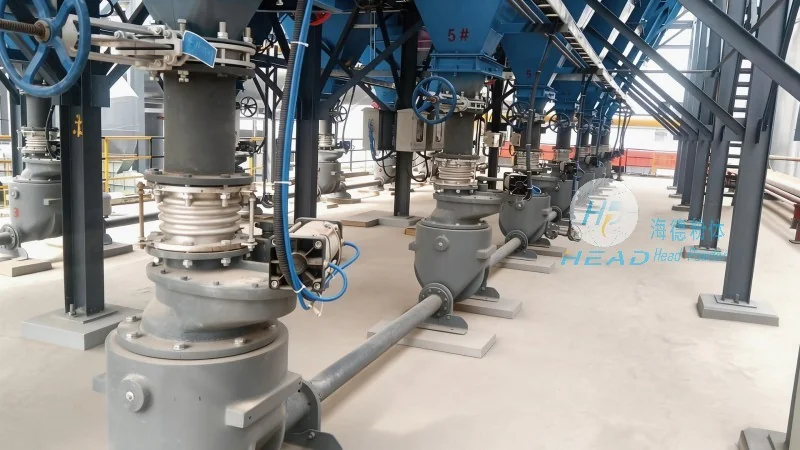
During the design phase, best practices should be followed to ensure the long-term performance and maintenance of the system. For example, incorporating features like static eliminators and anti-static additives can prevent material buildup and ensure consistent flow. Regular cleaning and maintenance schedules are also essential to prevent system blockages and extend the lifespan of components. Additionally, selecting high-quality materials and components from reputable manufacturers, such as Shandong HeadPowder Engineering Co., Ltd., based in China, can enhance the system's durability and reliability.
Conclusion: Ensuring Efficiency and Reliability in Polyethylene Resin Powder Pneumatic Conveying
Designing a reasonable polyethylene resin powder pneumatic conveying system requires a comprehensive approach that considers the material properties, operational requirements, and system components. By carefully analyzing these factors and following best practices, manufacturers can ensure that their system operates efficiently, reliably, and safely. The expertise and experience of companies like Shandong HeadPowder Engineering Co., Ltd. can be invaluable in this process, providing tailored solutions that meet the specific needs of their clients and contribute to the overall success of their operations.




