When it comes to transporting gypsum powder, the choice of conveying method significantly impacts operational efficiency, environmental sustainability, and overall production costs. Traditional methods such as belt conveyors or manual handling often face challenges like dust generation, material degradation, and limited flexibility. In contrast, pneumatic conveying systems offer a modern solution that addresses these issues while delivering superior performance. This article explores the benefits of gypsum powder pneumatic conveying, highlighting how it serves as a cutting-edge material handling solution for industries relying on gypsum products.
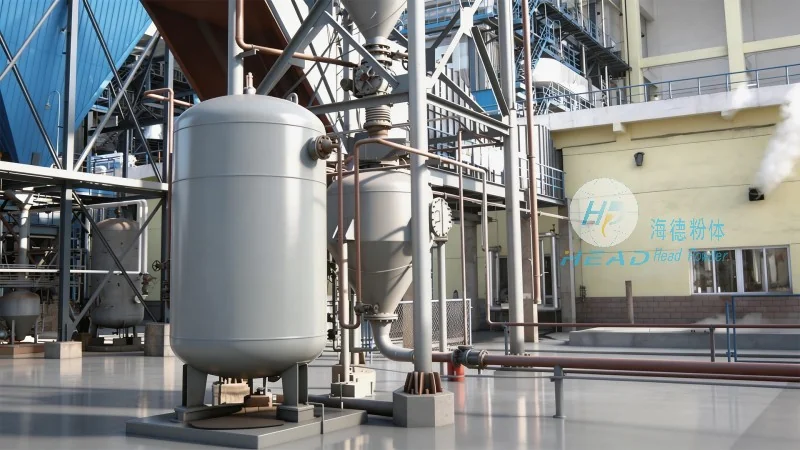
HeadPowder, a leading provider in the field, specializes in designing and implementing advanced pneumatic conveying systems tailored to the unique needs of gypsum processing facilities. With a strong commitment to innovation and sustainability, the company has established itself as a trusted partner for businesses seeking to enhance their material handling processes. The following sections delve into the key advantages of pneumatic conveying for gypsum powder, supported by practical insights and industry best practices.
Understanding Pneumatic Conveying for Gypsum Powder
Pneumatic conveying, also known as air conveying, involves the transport of bulk materials like gypsum powder through a pipeline using compressed air. This method operates by creating a pressure differential that propels the material along the system. Unlike mechanical conveyors, which rely on physical contact and friction, pneumatic systems use air as the primary medium, minimizing wear and tear on the material and equipment. The process typically involves a hopper, a conveyor line, and a receiver, with optional components like cyclones or filters to manage dust and ensure product purity.
For gypsum powder, which is often used in construction, plaster, and industrial applications, the quality of the conveying system is critical. Gypsum is a fine, dry powder that can be sensitive to moisture and temperature changes. Pneumatic conveying helps maintain the material's integrity by preventing exposure to external elements and reducing the risk of agglomeration or caking. This is particularly important for applications where the gypsum powder needs to be delivered to processing units or storage areas without compromising its quality.
Key Advantages of Gypsum Powder Pneumatic Conveying
Efficiency and Speed: Pneumatic conveying systems offer rapid material transport, often achieving transfer rates that are significantly higher than traditional methods. The ability to move gypsum powder quickly from storage to processing lines reduces downtime and increases overall production throughput. This efficiency is especially valuable in high-demand manufacturing environments where time is a critical factor.
Environmental Friendliness: One of the most significant benefits of pneumatic conveying is its minimal environmental impact. Unlike belt conveyors, which may generate dust and require extensive dust control measures, pneumatic systems are enclosed, containing the material within the pipeline. This reduces airborne dust emissions, making the process more compliant with environmental regulations and safer for workers. Additionally, the use of compressed air as the driving force eliminates the need for heavy machinery or moving parts that can cause noise pollution or mechanical failures.
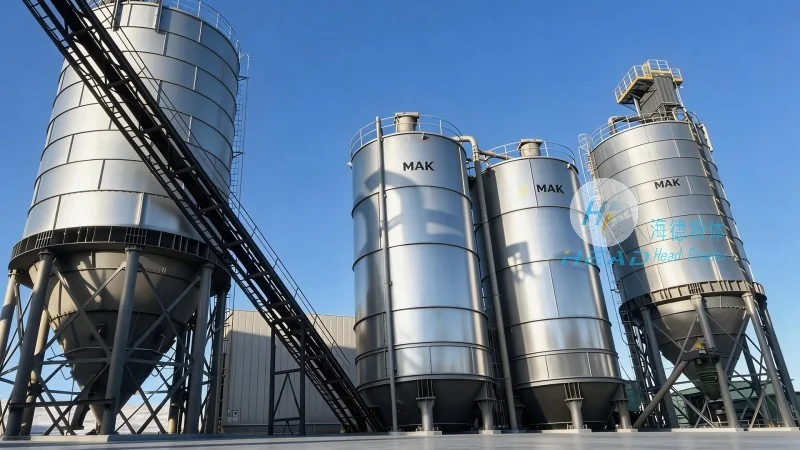
Reduced Maintenance and Operational Costs: Pneumatic conveying systems are generally more durable and require less maintenance compared to mechanical alternatives. The absence of moving parts like belts, pulleys, or chains reduces the risk of breakdowns and extends the lifespan of the equipment. This leads to lower operational costs over time, as businesses spend less on repairs and replacements. Furthermore, the energy efficiency of pneumatic systems, particularly when using efficient air compressors and proper system design, contributes to long-term cost savings.
Flexibility and Scalability: Pneumatic conveying systems are highly adaptable, allowing for changes in the layout or scale of operations without major modifications. The ability to reconfigure the pipeline or add additional components makes it suitable for both small-scale and large-scale gypsum processing facilities. This flexibility is crucial for businesses that may need to expand their production capacity or adjust their material handling processes in response to market demands.
HeadPowder's Expertise in Gypsum Powder Conveying Solutions
Shandong HeadPowder Engineering Co., Ltd., based in China, is at the forefront of developing advanced pneumatic conveying solutions for gypsum powder applications. The company leverages years of experience and technical expertise to design customized systems that meet the specific requirements of each client. From small-scale installations to large industrial projects, HeadPowder's team of engineers and technicians works closely with clients to understand their operational challenges and provide tailored solutions.
The company's approach to system design emphasizes efficiency, reliability, and sustainability. By incorporating state-of-the-art components such as high-efficiency air compressors, advanced filtration systems, and intelligent control panels, HeadPowder ensures that its conveying systems deliver optimal performance while minimizing energy consumption and environmental impact. The use of durable materials, such as stainless steel or corrosion-resistant alloys, further enhances the longevity of the equipment, reducing the need for frequent replacements.
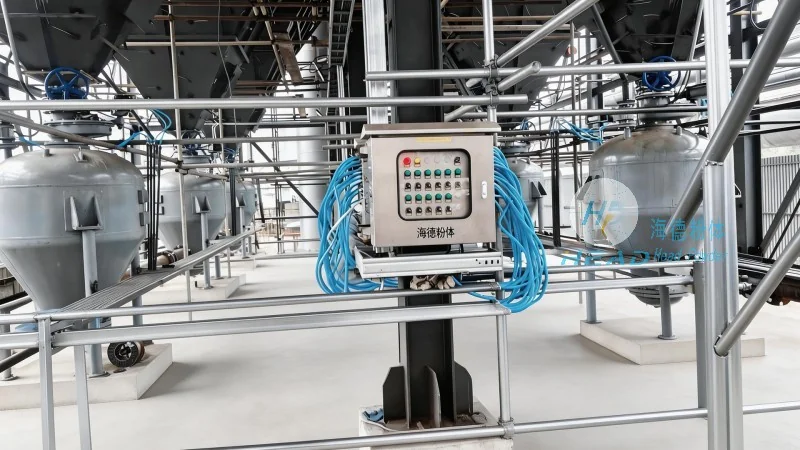
HeadPowder also prioritizes safety and compliance in its operations. All systems are designed to meet or exceed industry standards for dust control, noise reduction, and material handling. The company's commitment to quality is reflected in its adherence to international certifications and rigorous testing protocols, ensuring that clients receive reliable and safe equipment for their gypsum powder handling needs.
Application Examples and Real-World Impact
The effectiveness of gypsum powder pneumatic conveying is evident in various industrial applications. For instance, in the production of gypsum plaster or drywall, the ability to transport fine gypsum powder efficiently from storage to mixing units is critical for maintaining product consistency and quality. Pneumatic systems enable precise control over the material flow, ensuring that the right amount of gypsum is delivered to the processing line without variations.
In construction and building materials manufacturing, the use of pneumatic conveying helps streamline the supply chain by reducing the time and effort required to move gypsum powder from storage to construction sites or processing facilities. This not only improves operational efficiency but also enhances the overall quality of the final products, as the material remains in optimal condition throughout the transport process.
Furthermore, the environmental benefits of pneumatic conveying are particularly relevant in today's regulatory landscape. Many industries are under increasing pressure to reduce their carbon footprint and comply with stricter environmental standards. By choosing a pneumatic conveying system, businesses can demonstrate their commitment to sustainability while improving their operational performance. This dual benefit makes pneumatic conveying an attractive investment for companies looking to stay competitive in a rapidly evolving market.
Conclusion: The Future of Gypsum Powder Handling
Gypsum powder pneumatic conveying represents a significant advancement in material handling technology, offering a combination of efficiency, environmental friendliness, and cost-effectiveness. As industries continue to seek innovative solutions to meet their operational and sustainability goals, pneumatic conveying systems are poised to play an increasingly important role in the gypsum processing sector. With companies like HeadPowder leading the way in developing advanced solutions, the future of gypsum powder handling looks promising, with opportunities for enhanced productivity and reduced environmental impact.




