Winery slurry powder pneumatic conveying equipment is a specialized system designed to handle the transportation of slurry materials, particularly those derived from winemaking processes. This equipment plays a crucial role in the efficient and hygienic movement of slurry, ensuring optimal performance in industrial settings. The following sections will explore the working principle and key features of such equipment, providing insights into its functionality and benefits.
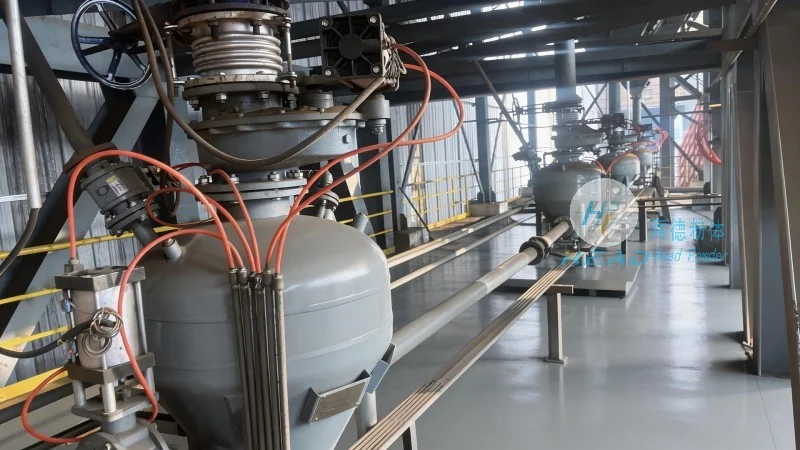
Introduction to Winery Slurry Powder Pneumatic Conveying Equipment
Winery slurry, often a byproduct of wine production, contains solid particles suspended in liquid. Traditional methods of handling and transporting this material can be inefficient, leading to contamination risks and operational challenges. Pneumatic conveying systems offer a solution by utilizing air pressure to move the slurry through pipelines, eliminating the need for mechanical components that may come into direct contact with the material. This approach enhances hygiene, reduces maintenance requirements, and improves overall process efficiency. The equipment is typically used in wineries, breweries, and other food processing facilities where the handling of slurry is essential.
Working Principle of Winery Slurry Powder Pneumatic Conveying Equipment
The core working principle of winery slurry powder pneumatic conveying equipment revolves around the use of air as the conveying medium. The system operates by creating a pressure differential between the inlet and outlet of the pipeline. Air is introduced into the system, often through a blower or compressor, which generates the necessary pressure to move the slurry particles. The slurry is introduced into the pipeline at the inlet, where it is mixed with the air stream. As the mixture travels through the pipeline, the air velocity and pressure maintain the slurry in a suspended state, preventing clogging and ensuring smooth transport. The equipment typically includes components such as a hopper for material storage, a feeder to control the flow rate, a conveying line, and a receiver for the discharged material. The entire process is controlled by a system of valves, sensors, and controls that regulate the air flow and material movement, ensuring consistent performance.
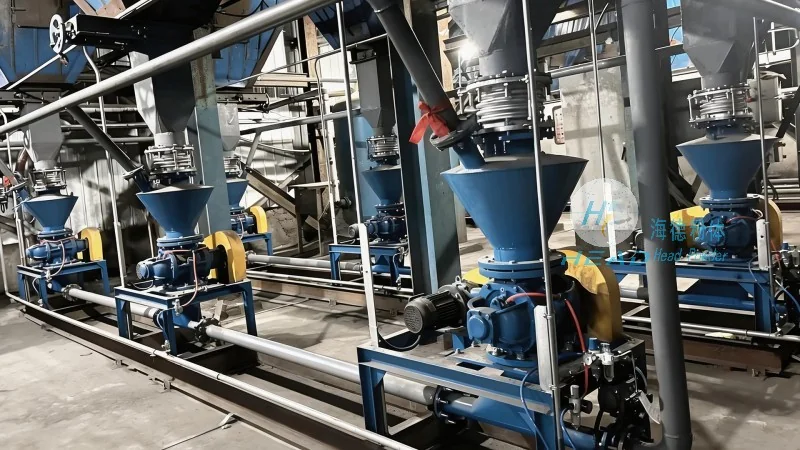
Key Features of Winery Slurry Powder Pneumatic Conveying Equipment
Winery slurry powder pneumatic conveying equipment is characterized by several key features that enhance its functionality and suitability for industrial applications. One of the primary features is its hygienic design, which is critical in food processing environments. The equipment is constructed from materials that are resistant to corrosion and easy to clean, such as stainless steel, ensuring compliance with sanitary standards. This design minimizes the risk of contamination and facilitates maintenance. Another important feature is the ability to handle a wide range of slurry compositions, including those with varying solid content and particle sizes. The system can be adjusted to accommodate different flow rates and material properties, making it versatile for various winemaking processes. Additionally, the equipment is designed for low maintenance, with components that are durable and long-lasting. This reduces downtime and operational costs, contributing to the overall efficiency of the system. The system also offers flexibility in terms of layout, allowing for integration into existing production lines without significant modifications. This adaptability makes it an attractive solution for wineries looking to upgrade their material handling processes.
Benefits of Using Winery Slurry Powder Pneumatic Conveying Equipment
The adoption of winery slurry powder pneumatic conveying equipment brings numerous benefits to wineries and other food processing facilities. One of the most significant advantages is the improvement in process efficiency. By eliminating the need for manual handling and mechanical conveyors, the system reduces labor costs and increases throughput. The consistent and reliable transport of slurry ensures that production processes are not interrupted, leading to higher productivity. Another benefit is the enhanced hygiene and safety. The enclosed system prevents the exposure of slurry to contaminants and reduces the risk of exposure to workers, improving workplace safety. The system also helps in reducing waste and environmental impact by minimizing the spillage and leakage of slurry during transport. Furthermore, the equipment is designed for energy efficiency, with optimized air flow and pressure control that reduces energy consumption. This contributes to lower operational costs and a more sustainable operation. The system's ability to handle different slurry types and compositions also provides flexibility in production, allowing wineries to adapt to changing production needs without significant investment in new equipment.
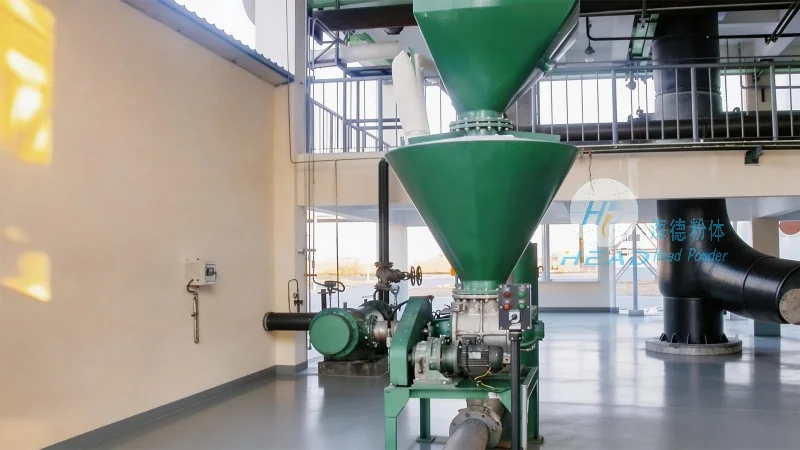
Application Scenarios and Considerations
Winery slurry powder pneumatic conveying equipment is widely used in various applications within the winemaking industry. It is commonly employed in the transport of grape pomace, wine lees, and other slurry materials from processing tanks to storage or processing areas. The equipment is also used in the transfer of slurry to drying or fermentation units, where further processing is required. In breweries, similar systems are used to handle slurry from beer production, ensuring efficient and hygienic transport. When selecting this equipment, several factors need to be considered. The first is the specific characteristics of the slurry, including its solid content, particle size, and viscosity. These factors determine the appropriate air flow rate and pressure required for effective conveying. The second consideration is the system layout and space availability. The equipment needs to be integrated into the existing production line, and the pipeline design must be optimized to minimize pressure losses and ensure smooth flow. The third factor is the maintenance and operational requirements. The system should be easy to maintain and operate, with clear instructions and controls that allow for quick adjustments. Finally, the cost of the equipment and its long-term operational costs should be evaluated to ensure it fits within the budget and provides a good return on investment.
Conclusion
Winery slurry powder pneumatic conveying equipment is a vital component in modern winemaking and food processing operations. Its working principle, based on air pressure and suspended material transport, offers a hygienic and efficient solution for handling slurry materials. The key features, including hygienic design, versatility, and low maintenance, make it an attractive choice for wineries. The benefits of using this equipment, such as improved efficiency, enhanced safety, and reduced environmental impact, contribute to the overall success of the production process. When properly selected and maintained, winery slurry powder pneumatic conveying equipment can significantly enhance the performance and productivity of wineries, ensuring consistent quality and compliance with industry standards. As the demand for efficient and hygienic material handling systems continues to grow, this equipment remains a reliable and effective solution for wineries and other food processing facilities.




