Red mud, a byproduct of bauxite processing in the aluminum industry, poses significant challenges in handling and transportation due to its fine particle size and high moisture content. Traditional methods like belt conveyors or trucks often lead to dust pollution, material loss, and operational inefficiencies. To address these issues, the pneumatic conveying system has emerged as a sophisticated solution for transporting red mud powder efficiently and safely. This article explores the working principle and key features of the red mud powder pneumatic conveying equipment, highlighting its advantages in industrial applications.
Company Overview: Shandong HeadPowder Engineering Co., Ltd.
Shandong HeadPowder Engineering Co., Ltd., a leading manufacturer in the field of powder handling technology, specializes in designing and manufacturing advanced pneumatic conveying systems tailored to the unique needs of industrial processes. With a strong focus on innovation and customer satisfaction, the company has established itself as a trusted partner for businesses dealing with challenging powders like red mud. HeadPowder's expertise lies in integrating cutting-edge technology with practical engineering solutions to deliver reliable and efficient equipment. The company's headquarters is located in Shandong, China, where it maintains a state-of-the-art research and development center to continuously improve its product offerings.
Working Principle of the Pneumatic Conveying System
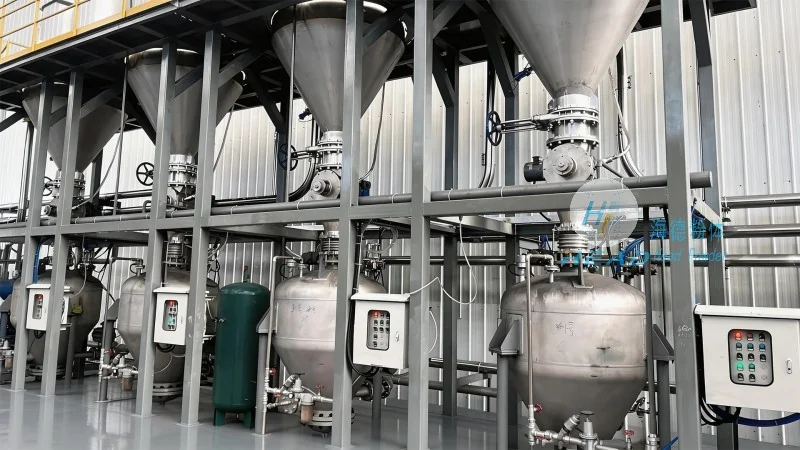
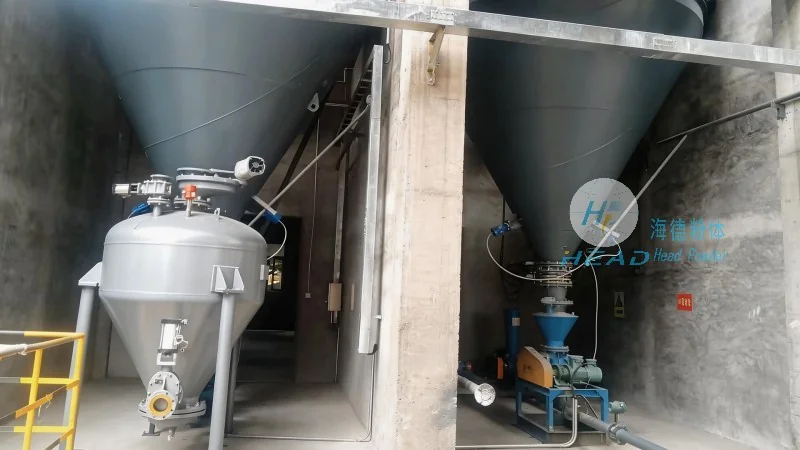
The pneumatic conveying system for red mud powder operates on the principle of using compressed air to transport dry or slightly moist powders through a pipeline network. The process begins with the feeding of red mud into a hopper or feeder, where it is then drawn into the conveying line by the pressure differential created by the air flow. The system typically consists of several key components, including a blower or air compressor, a hopper with a feeder mechanism, a pipeline system, and a discharge unit. The compressed air is introduced into the pipeline, creating a flow that propels the red mud particles forward. The velocity and pressure of the air are carefully controlled to ensure that the particles are conveyed without clogging or degradation. The system can be designed as either a positive pressure or negative pressure system, depending on the specific application requirements. In positive pressure systems, air is blown into the pipeline, while in negative pressure systems, air is drawn out of the pipeline. For red mud applications, a positive pressure system is often preferred as it minimizes dust emissions and provides better control over the material flow.
Key Features and Advantages
The red mud powder pneumatic conveying equipment from Shandong HeadPowder Engineering Co., Ltd. offers several distinct features and advantages that make it an ideal choice for industrial applications. One of the primary advantages is its ability to handle fine, abrasive powders like red mud without causing wear and tear on the equipment components. The system is designed with high-quality materials, such as stainless steel and special alloys, to withstand the corrosive nature of red mud and prevent material buildup. Another key feature is the system's flexibility in terms of pipeline layout, allowing for complex and customized configurations to fit the specific layout of a facility. The equipment also features advanced control systems that enable precise regulation of air flow, pressure, and material feed rate, ensuring consistent and reliable operation. Additionally, the system is equipped with dust collection and filtration systems to minimize environmental impact and comply with regulatory standards. The use of pneumatic conveying also reduces the need for manual handling, improving workplace safety and reducing labor costs. Furthermore, the system's compact design and low maintenance requirements make it a cost-effective solution for long-term operation.
Technical Specifications and Application Scenarios
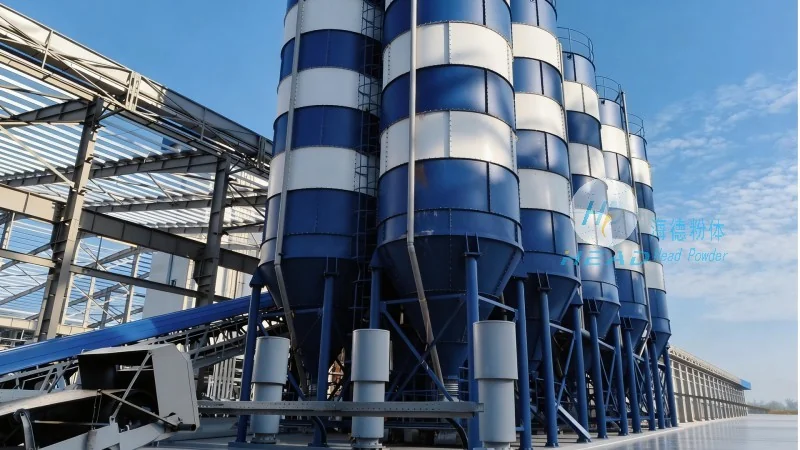
The technical specifications of the red mud powder pneumatic conveying equipment vary depending on the specific requirements of the application. Typical specifications include conveying capacities ranging from 1 to 50 tons per hour, pipeline lengths up to several hundred meters, and air pressures from 0.5 to 1.0 bar. The system can be customized to handle different particle sizes, moisture contents, and bulk densities of red mud. The equipment is suitable for a wide range of industrial applications, including the transportation of red mud from storage silos to processing plants, the transfer of red mud to disposal sites, and the integration of red mud into other industrial processes. The system is particularly useful in aluminum smelting plants, where red mud is a byproduct of the Bayer process. In these plants, the pneumatic conveying system can efficiently transport red mud from the digestion tanks to the storage facilities, reducing the need for manual handling and minimizing the risk of dust exposure. The equipment is also applicable in other industries where fine powders need to be transported over long distances, such as in the chemical and pharmaceutical sectors.
Conclusion
In conclusion, the red mud powder pneumatic conveying equipment from Shandong HeadPowder Engineering Co., Ltd. represents a significant advancement in powder handling technology. By leveraging the principles of pneumatic conveying, the system offers a safe, efficient, and environmentally friendly solution for transporting red mud powder. The equipment's key features, including its ability to handle abrasive materials, its flexible design, and its advanced control systems, make it a reliable choice for industrial applications. With its headquarters in Shandong, China, HeadPowder continues to innovate and provide high-quality solutions to meet the evolving needs of the industry. The adoption of such advanced equipment not only improves operational efficiency but also contributes to a safer and more sustainable industrial environment.




