Phosphorus pentachloride (PCl₅) is a highly reactive and corrosive chemical compound widely used in the chemical industry for various applications, including the production of pesticides, pharmaceuticals, and other organic compounds. The safe and efficient handling of PCl₅ is crucial due to its hazardous nature and the need for precise control during material transport. Pneumatic conveying systems have emerged as a reliable solution for transporting PCl₅ and other similar powders, offering advantages such as minimal contamination, low maintenance, and the ability to handle sensitive materials. This article explores the working principle and key features of a PCl₅ material pneumatic conveying system, highlighting its design considerations and operational benefits.
Company Introduction
HeadPowder, or Shandong HeadPowder Engineering Co., Ltd., is a leading provider of specialized engineering solutions for the chemical processing industry. With a focus on innovation and safety, the company specializes in designing and manufacturing pneumatic conveying systems tailored to the unique requirements of hazardous materials like phosphorus pentachloride. HeadPowder's expertise lies in creating robust, efficient, and compliant systems that meet the stringent standards of the chemical sector. The company's headquarters is located in Shandong, China, where it leverages advanced technology and experienced engineering teams to deliver high-quality solutions to clients worldwide.
Working Principle of PCl₅ Material Pneumatic Conveying System
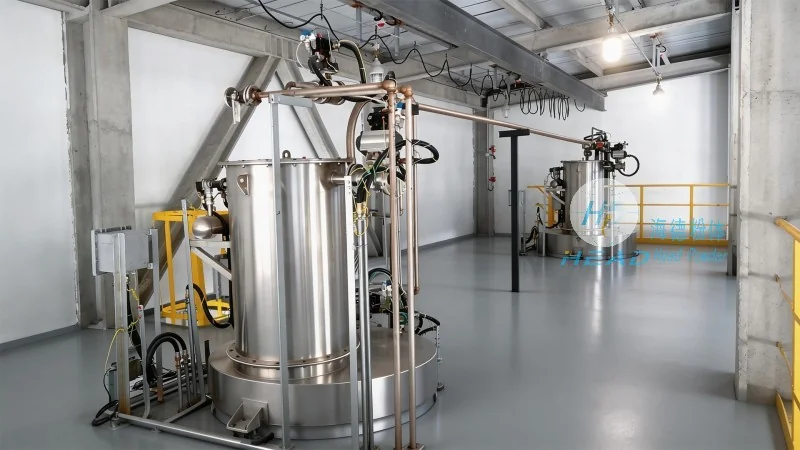
The core of a PCl₅ material pneumatic conveying system is the ability to transport powders through a pipeline using compressed air. The system operates on the principle of creating a flow of air that carries the PCl₅ particles from the source to the destination. The process typically involves several key components, including a hopper for material storage, a rotary valve or feeder to control the flow rate, a compressor to generate the necessary air pressure, and a pipeline network that transports the material. The working principle can be broken down into the following steps:
1. Material Loading: PCl₅ is stored in a sealed hopper to prevent exposure to moisture and air, which could cause decomposition or corrosion. The hopper is equipped with a level indicator and a discharge valve to regulate the material flow.
2. Feeding and Air Injection: A rotary valve or screw feeder is used to meter the PCl₅ into the pipeline at a controlled rate. Simultaneously, compressed air is introduced into the pipeline, creating a low-pressure or high-pressure environment depending on the system design. The air flow velocity is critical, as it must be sufficient to lift and transport the PCl₅ particles without causing excessive wear or degradation.
3. Pipeline Transport: The mixture of PCl₅ particles and air travels through the pipeline under the influence of the air flow. The system may include bends, expansions, or filters to ensure smooth transport and prevent blockages. The pipeline is typically made of corrosion-resistant materials such as stainless steel or PTFE-coated pipes to withstand the chemical properties of PCl₅.
4. Discharge and Air Separation: At the destination, the air and PCl₅ are separated using a cyclone separator or a bag filter. The air is discharged to the atmosphere or recirculated, while the PCl₅ is collected in a receiving hopper or container. The system may also include a venting system to control pressure and prevent over-pressurization.
Key Features of PCl₅ Material Pneumatic Conveying System
The PCl₅ material pneumatic conveying system offers several advantages that make it an ideal choice for handling this hazardous chemical. The key features include:
1. Minimal Contamination: The enclosed system prevents exposure to external contaminants, ensuring the purity of the PCl₅. This is particularly important for applications where the material's quality is critical.
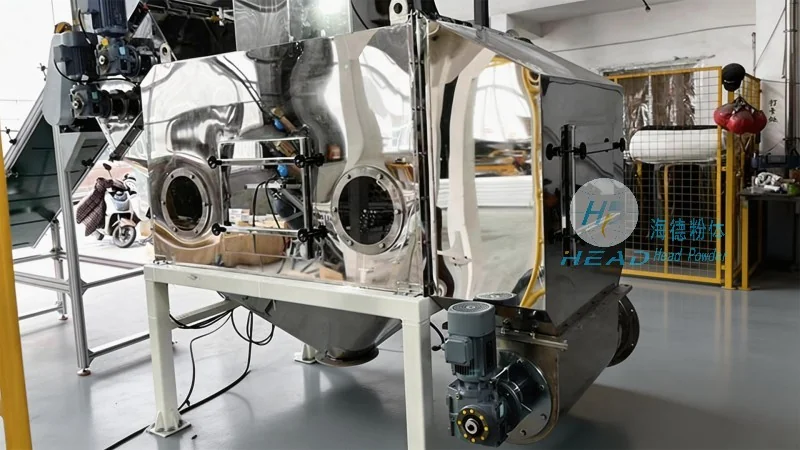
2. Low Maintenance: Compared to mechanical conveying systems, pneumatic systems have fewer moving parts, reducing the risk of wear and tear and lowering maintenance costs. The use of corrosion-resistant materials further extends the system's lifespan.
3. Flexibility in Layout: Pneumatic conveying systems can be easily adapted to different plant layouts, allowing for the integration of multiple processing units without the need for extensive structural modifications.
4. Energy Efficiency: Modern systems utilize energy-efficient compressors and optimized air flow designs, reducing operational costs and environmental impact.
5. Safety and Compliance: The system is designed to meet strict safety regulations for handling hazardous materials. Features such as explosion-proof components, pressure relief valves, and emergency shutdown systems ensure safe operation and compliance with industry standards.
Design Considerations for PCl₅ Pneumatic Conveying Systems
When designing a PCl₅ material pneumatic conveying system, several factors must be considered to ensure optimal performance and safety. These include:
1. Material Properties: The physical and chemical properties of PCl₅, such as its density, particle size, and reactivity, influence the system's design. For example, the air velocity must be carefully selected to avoid particle degradation or agglomeration.
2. System Pressure: The choice between low-pressure and high-pressure systems depends on the distance and height of the transport, as well as the required flow rate. High-pressure systems are suitable for longer distances or vertical lifts, while low-pressure systems are more energy-efficient for shorter distances.
3. Corrosion Resistance: Due to PCl₅'s corrosive nature, all components in contact with the material must be made of materials resistant to chemical attack, such as stainless steel, Hastelloy, or PTFE-coated pipes.
4. Filter and Separation: The selection of a suitable filter or separator is critical to prevent PCl₅ particles from entering the air system and causing contamination or equipment damage. Cyclone separators are commonly used for coarse particles, while bag filters or cartridge filters are used for fine particles.
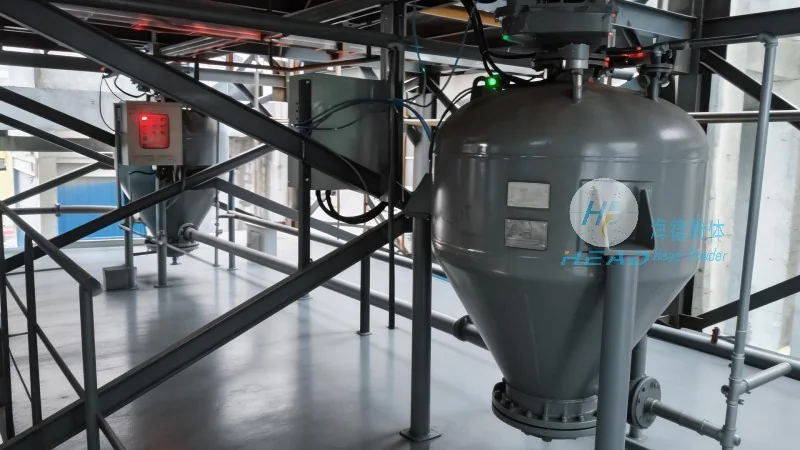
5. Environmental Controls: The system must include measures to control emissions and prevent air pollution. This may involve air filtration, venting systems, or the use of recirculation to minimize the release of PCl₅ particles into the environment.
Operational Benefits and Applications
The PCl₅ material pneumatic conveying system provides several operational benefits, making it a preferred choice for industrial applications. These benefits include:
1. Improved Process Control: The system allows for precise control of the PCl₅ flow rate, ensuring consistent product quality and reducing waste.
2. Reduced Labor Costs: Automated feeding and conveying reduce the need for manual handling, improving safety and reducing labor costs.
3. Enhanced Safety: The enclosed system minimizes the risk of exposure to PCl₅, protecting workers from health hazards and reducing the risk of accidents.
4. Scalability: The system can be scaled up or down to meet the changing needs of the production process, providing flexibility for future expansion.
5. Compatibility with Other Processes: Pneumatic conveying systems can be integrated with other processing units, such as reactors, mixers, or storage tanks, to create a seamless production line.
Conclusion
In conclusion, the PCl₅ material pneumatic conveying system is a reliable and efficient solution for handling this hazardous chemical. Its working principle, based on air flow and particle transport, offers several advantages over traditional mechanical conveying methods. The key features, including minimal contamination, low maintenance, and safety compliance, make it an ideal choice for the chemical industry. With proper design and operation, this system can enhance process efficiency, improve product quality, and ensure the safety of workers and the environment. HeadPowder, with its expertise in engineering specialized systems, continues to provide high-quality solutions that meet the demanding requirements of the PCl₅ handling industry.




