HeadPowder, a leading manufacturer based in Shandong, China, specializes in the design and production of advanced pneumatic conveying systems tailored for handling sesame and other similar granular or powdery materials. This article explores the fundamental working principle and key characteristics of such equipment, providing insights into its operational efficiency and practical applications.
The Working Principle of Pneumatic Conveying Systems for Sesame
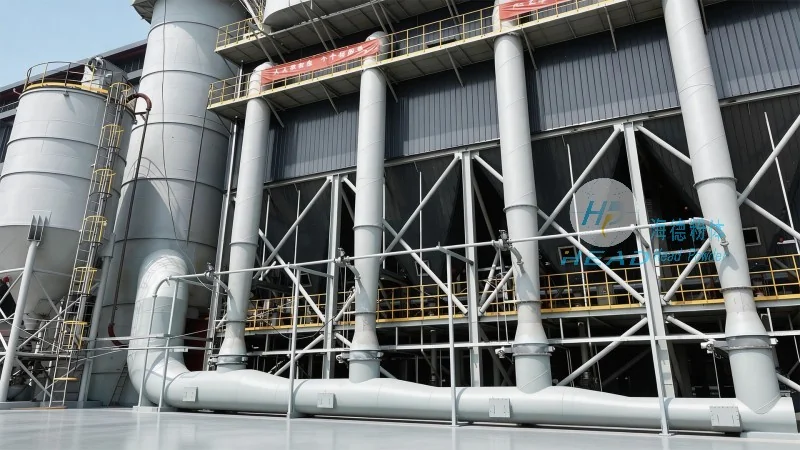
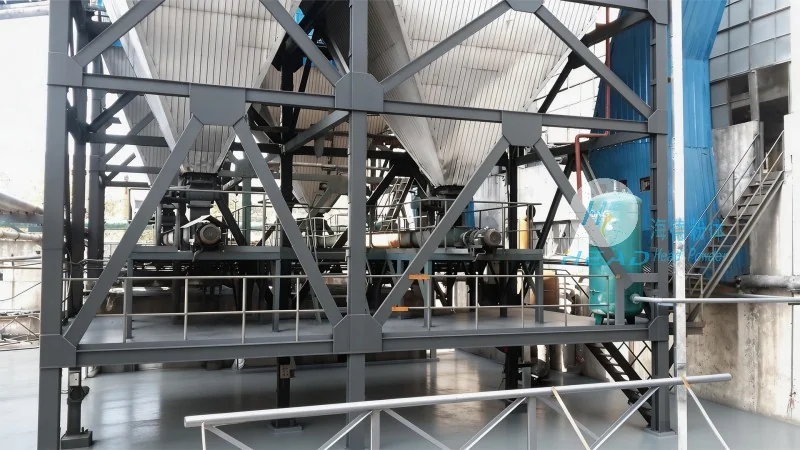
At the core of a sesame material pneumatic conveying system is the use of air as the medium to transport the material from one location to another. The process typically involves a few critical components and steps. First, the material is fed into a hopper or feeder, where it is then introduced into a pipeline. Simultaneously, a fan or blower generates a flow of air within the pipeline. As the air moves through the system, it carries the sesame particles along with it, effectively transporting them to the desired destination. The system may employ different types of conveying methods, such as pressure or vacuum systems, depending on the specific requirements of the application. In pressure systems, compressed air is used to push the material forward, while vacuum systems use suction to draw the material into the pipeline. The choice between these methods depends on factors like the distance to be covered, the material's characteristics, and the overall system layout.
Key Features of Sesame Material Pneumatic Conveying Equipment
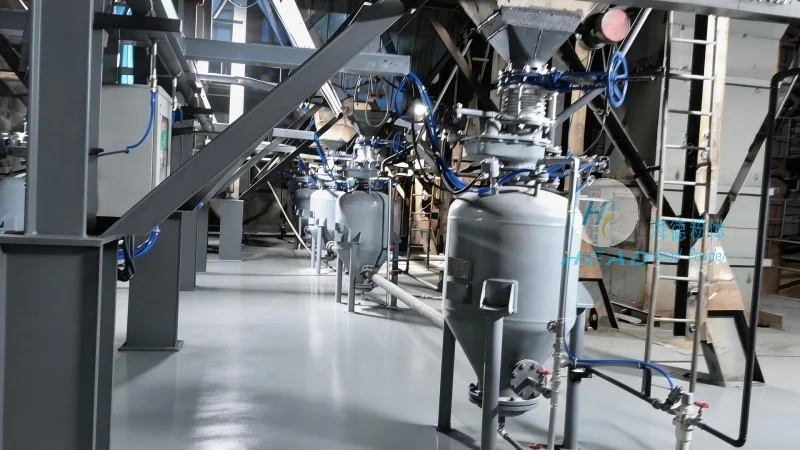
HeadPowder's pneumatic conveying equipment for sesame materials is characterized by several notable features that enhance its performance and reliability. One of the primary advantages is its ability to handle delicate or fragile materials like sesame without causing damage. The system is designed to minimize particle breakage, ensuring that the quality of the product is maintained throughout the conveying process. Additionally, the equipment offers high efficiency in terms of material transport, as it can move large volumes of material over considerable distances with minimal energy consumption compared to traditional mechanical conveyors. Another significant feature is its flexibility in handling different material types and sizes. The adjustable air flow and pressure settings allow for customization to suit various sesame processing needs, whether for small-scale operations or large industrial facilities. The system also provides excellent dust control, which is crucial for maintaining a clean and safe working environment, especially in food processing applications. Furthermore, the design of the equipment ensures easy maintenance and cleaning, reducing downtime and operational costs. The use of durable materials and robust construction ensures long-term reliability and durability, making it a cost-effective solution for sesame handling over time.
Operational Advantages and Practical Applications
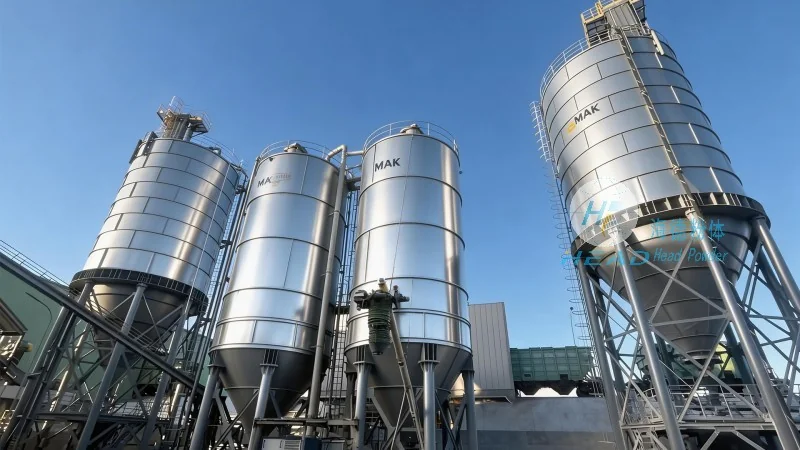
The application of pneumatic conveying systems in sesame processing offers several operational advantages. Unlike mechanical conveyors, which may require frequent maintenance and have limitations in terms of material handling, pneumatic systems provide a more seamless and continuous material flow. This is particularly beneficial in continuous production lines where uninterrupted operation is essential. The system's ability to handle both dry and slightly moist sesame materials makes it versatile for various processing stages, such as from raw material storage to packaging. In addition, the reduced need for manual handling and the elimination of manual labor in material transport contribute to improved workplace safety and operational efficiency. The compact design of the equipment also allows for space-saving installations, which is advantageous in facilities with limited floor space. Overall, the use of pneumatic conveying equipment for sesame materials enhances productivity, reduces labor costs, and maintains product quality, making it an ideal choice for modern sesame processing operations.




