Light calcium carbonate (LCC) is a widely used industrial material in various applications, including plastics, coatings, and paper production. Efficient and reliable material handling is crucial for maintaining production efficiency and product quality. Pneumatic conveying systems have emerged as a preferred method for transporting light calcium carbonate due to their ability to handle fine powders with minimal product degradation. This article explores the key factors to consider when selecting an appropriate pneumatic conveying system for light calcium carbonate handling processes, with a focus on the expertise and solutions offered by Shandong HeadPowder Engineering Co., Ltd., commonly known as HeadPowder.
Understanding the Requirements of Light Calcium Carbonate Handling
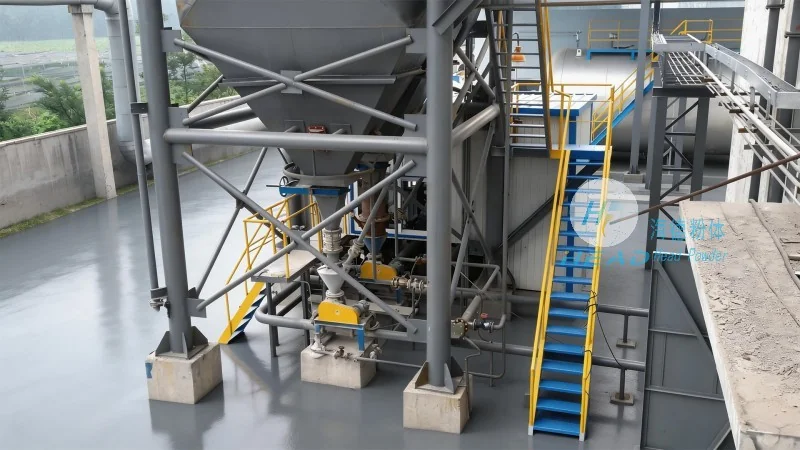
Before selecting a pneumatic conveying system, it is essential to understand the specific characteristics of light calcium carbonate and the operational requirements of the handling process. Light calcium carbonate is typically a fine powder with a particle size ranging from 1 to 10 microns, which can pose challenges in traditional bulk material handling methods. The material's low bulk density and high dust generation potential require specialized equipment designed to minimize product loss and ensure consistent flow. Additionally, the process may involve varying production volumes, temperature control needs, and integration with existing production lines, all of which must be considered when evaluating pneumatic conveying options.
Key Factors in Choosing a Pneumatic Conveying System for Light Calcium Carbonate
Several critical factors influence the selection of a pneumatic conveying system for light calcium carbonate applications. The first consideration is the system's ability to handle fine powders without causing agglomeration or product degradation. HeadPowder specializes in designing systems that use low-pressure or high-pressure pneumatic conveying techniques, depending on the specific material characteristics and process requirements. Low-pressure systems are often preferred for light calcium carbonate due to their gentler handling of fine powders, reducing the risk of particle breakage and maintaining product quality. The system's capacity and scalability are also vital, as production needs may grow over time, requiring a solution that can be easily expanded or upgraded.
Types of Pneumatic Conveying Systems for Light Calcium Carbonate
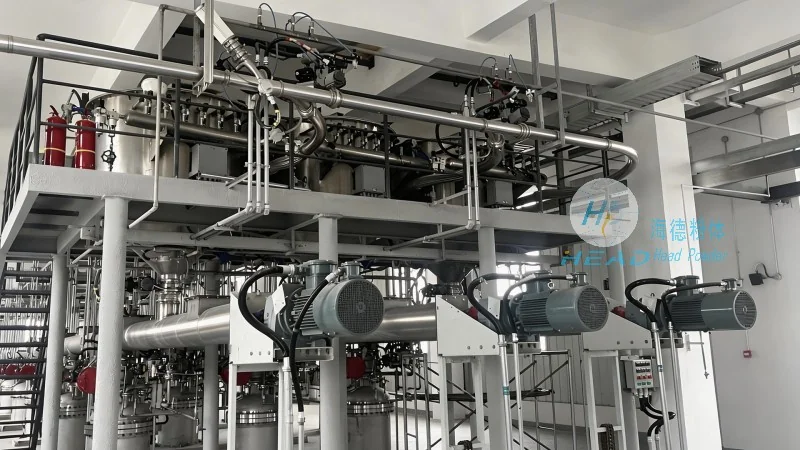
HeadPowder offers a range of pneumatic conveying systems tailored to the unique needs of light calcium carbonate handling. These systems can be categorized based on the conveying principle and application. One common type is the positive pressure system, which uses a blower to generate airflow and move the material through a pipeline. This system is effective for short to medium distances and is suitable for handling light calcium carbonate in production lines where the material needs to be transported from a storage silo to a processing unit. Another type is the negative pressure (or vacuum) system, which uses a vacuum pump to draw material from a hopper or storage area. This approach is ideal for applications requiring material to be collected from multiple points or transported over longer distances, such as from a warehouse to a processing facility.
Design Considerations for Light Calcium Carbonate Pneumatic Conveying
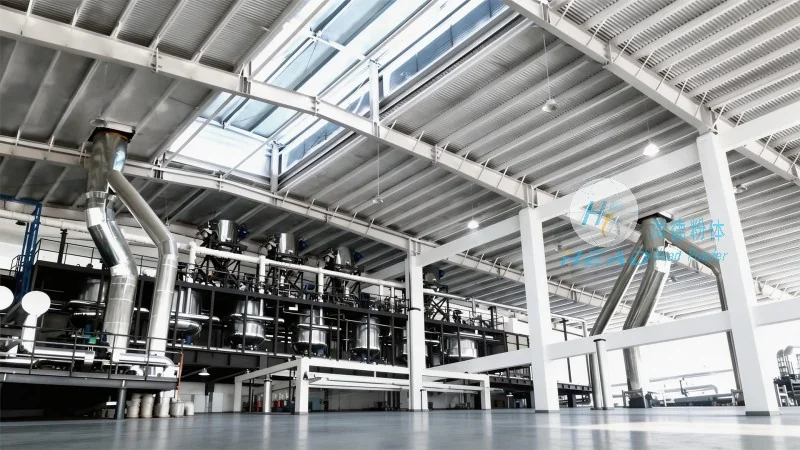
The design of a pneumatic conveying system for light calcium carbonate must address several technical aspects to ensure optimal performance. Material flow control is a key consideration, as light calcium carbonate can be prone to clogging or uneven flow in pipelines. HeadPowder incorporates advanced flow control devices, such as rotary valves and feeders, to maintain consistent material flow and prevent blockages. The system's pipeline design is also critical, with smooth, corrosion-resistant materials like stainless steel or polyethylene used to prevent material buildup and ensure long-term reliability. Additionally, the system must be equipped with dust collection and filtration systems to comply with environmental regulations and maintain a clean working environment. HeadPowder's expertise in material handling engineering ensures that these design aspects are carefully considered to deliver a system that meets both operational and regulatory requirements.
Integration with Existing Production Processes
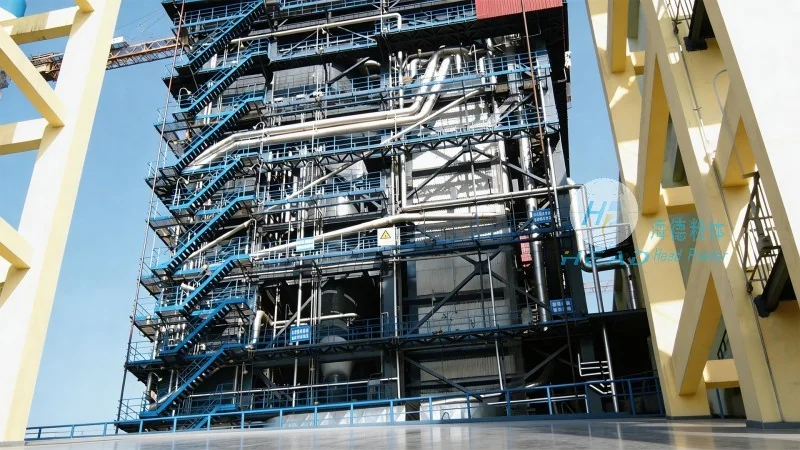
When selecting a pneumatic conveying system for light calcium carbonate, it is essential to consider its integration with existing production processes. HeadPowder provides customized solutions that can be seamlessly integrated into existing production lines, minimizing downtime and ensuring a smooth transition. The system's control systems are designed to be compatible with existing automation and monitoring equipment, allowing for real-time monitoring of material flow, pressure, and temperature. This integration capability is particularly important for light calcium carbonate handling, as the material's properties may require precise control to maintain product quality. HeadPowder's engineering team works closely with clients to understand their specific production requirements and design a system that aligns with their existing infrastructure and operational goals.
Maintenance and Long-Term Reliability
Long-term reliability and ease of maintenance are critical factors when investing in a pneumatic conveying system for light calcium carbonate. HeadPowder's systems are designed with durability and low maintenance in mind, using high-quality components and materials that can withstand the demands of continuous operation. Regular maintenance is essential to ensure the system's performance and longevity, and HeadPowder provides comprehensive maintenance services and support to help clients keep their systems running efficiently. The company's expertise in material handling technology ensures that clients receive reliable and cost-effective solutions that meet their long-term operational needs.




