Wood chip handling is a critical process in various industrial applications, including pulp and paper production, biomass energy generation, and wood processing facilities. Efficient and reliable material transport is essential to maintain production efficiency and minimize operational downtime. Among the various methods available, pneumatic conveying systems have emerged as a preferred solution for transporting wood chips due to their ability to handle abrasive materials, maintain product integrity, and offer flexible installation options. However, selecting the appropriate pneumatic conveying system for a specific wood chip handling process requires careful consideration of several key factors to ensure optimal performance and long-term cost-effectiveness.
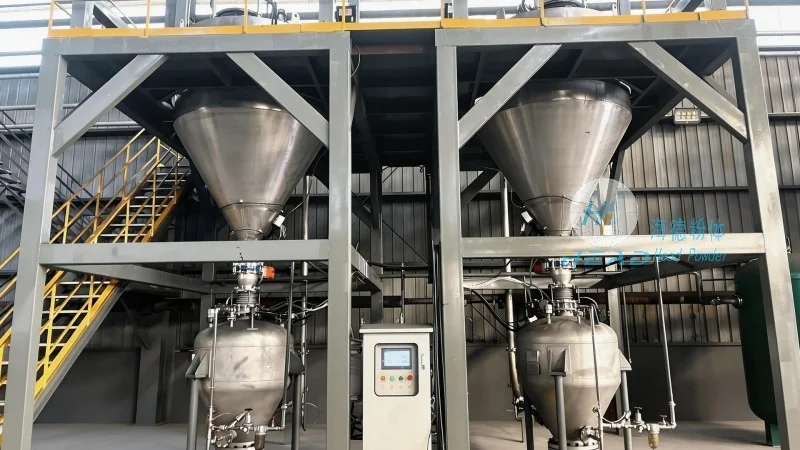
Understanding the Importance of Pneumatic Conveying in Wood Chip Handling
Wood chips are typically irregularly shaped, with varying sizes and moisture content, which can pose challenges for traditional mechanical conveyors. Pneumatic conveying systems use air to transport materials through a pipeline, eliminating the need for mechanical components that may wear out or become clogged by the abrasive nature of wood chips. This method not only reduces maintenance costs but also ensures that the wood chips remain dry and free from contamination, which is crucial for downstream processes such as drying, grinding, or combustion. Moreover, pneumatic conveying systems can be designed to handle high volumes of material over long distances, making them suitable for large-scale industrial operations.
Key Factors to Consider When Selecting a Pneumatic Conveying System
Before investing in a pneumatic conveying system for wood chip handling, several critical factors must be evaluated to ensure the system meets the specific requirements of the application. The first consideration is the physical characteristics of the wood chips, including their size distribution, moisture content, and bulk density. These properties directly impact the system's design, as larger or more moist chips may require higher air velocities or specialized equipment to prevent blockages. Additionally, the desired throughput or flow rate is a key parameter, as it determines the required capacity of the conveying line and the power needed to drive the system. The distance between the source and destination points is another critical factor, as it influences the choice between positive pressure, negative pressure, or a combination of both. For short distances and high flow rates, positive pressure systems are often preferred due to their simplicity and efficiency. Conversely, negative pressure systems are better suited for long-distance transport or when handling dust or fine particles is a concern.
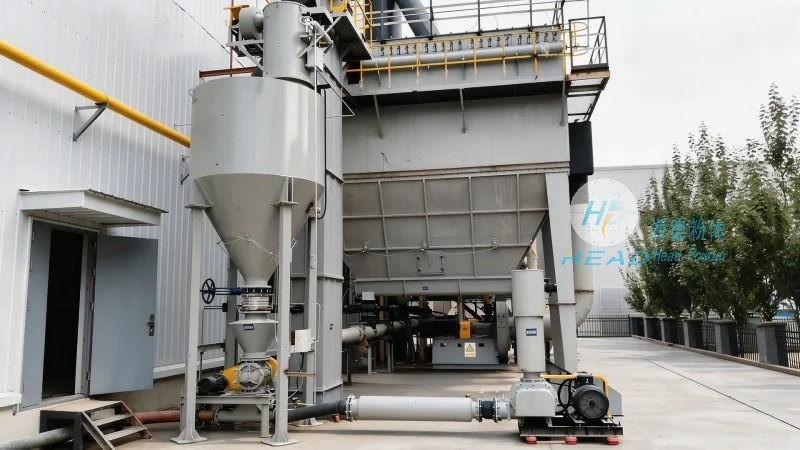
Types of Pneumatic Conveying Systems for Wood Chips
There are primarily two types of pneumatic conveying systems used in wood chip handling: positive pressure and negative pressure systems. Positive pressure systems generate air pressure at the inlet, pushing the material through the pipeline. These systems are typically used for short to medium distances and high material flow rates, as they can handle larger particles and are less prone to clogging. Common positive pressure systems include pressure vessels, rotary airlocks, and venturi pumps. On the other hand, negative pressure systems create a vacuum at the outlet, drawing the material into the pipeline. Negative pressure systems are ideal for long-distance transport or when the material needs to be transported from multiple sources to a single destination. They are also suitable for handling fine particles or when the system is integrated with dust collection equipment. Some applications may require a combination of both positive and negative pressure, known as a mixed system, which offers flexibility in handling varying material characteristics and distances.
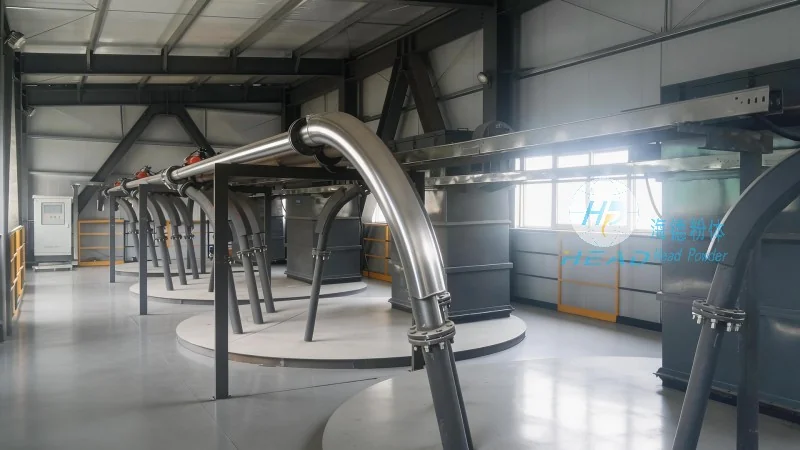
Technical Specifications and Performance Metrics
When evaluating pneumatic conveying systems, several technical specifications and performance metrics should be considered to ensure the system operates efficiently and reliably. The system's capacity, measured in cubic meters per hour or tons per hour, must match the production requirements of the facility. The pressure range, typically expressed in kilopascals (kPa) or pounds per square inch (psi), determines the air flow rate and the ability to transport the material over the specified distance. Energy consumption is another important factor, as it directly impacts operational costs. Modern pneumatic conveying systems are designed to be energy-efficient, using variable frequency drives (VFDs) to adjust air flow based on the material load. Maintenance requirements and the lifespan of components, such as air filters, rotary valves, and pipeline materials, are also critical considerations. Choosing materials resistant to corrosion and abrasion, such as stainless steel or special alloys, can extend the system's service life and reduce downtime.
The Role of HeadPowder Engineering in Providing Custom Solutions
Shandong HeadPowder Engineering Co., Ltd., a leading provider of pneumatic conveying solutions, specializes in designing and manufacturing customized systems tailored to the unique needs of wood chip handling processes. With headquarters in Shandong, China, HeadPowder Engineering leverages decades of experience in material handling to deliver high-quality, reliable systems that meet the most demanding industrial requirements. The company's team of engineers works closely with clients to assess their specific operational parameters, including material characteristics, throughput, and distance, to develop a system that optimizes performance and minimizes costs. HeadPowder Engineering offers a range of components, including positive pressure blowers, negative pressure vacuum pumps, and specialized conveying lines, all designed to handle the challenges of wood chip transport. The company also provides comprehensive after-sales support, including installation, training, and maintenance services, ensuring that clients can maximize the efficiency and longevity of their pneumatic conveying systems. By partnering with HeadPowder Engineering, wood chip processing facilities can enhance their operational efficiency, reduce downtime, and achieve sustainable material transport solutions.




