When it comes to pharmaceutical processing, selecting the appropriate material handling solution is critical to ensure efficiency, safety, and compliance with industry regulations. Pneumatic conveying systems have become a preferred choice for transporting powders and granules in pharmaceutical manufacturing due to their ability to maintain product integrity, minimize contamination risks, and offer flexible operation. However, with various types of pneumatic conveying systems available, choosing the right one for your specific application can be a challenging task. This article will guide you through the key considerations and factors to evaluate when selecting a pneumatic conveying system for your pharmaceutical processing needs, with insights from Shandong HeadPowder Engineering Co., Ltd., a leading provider in the field.
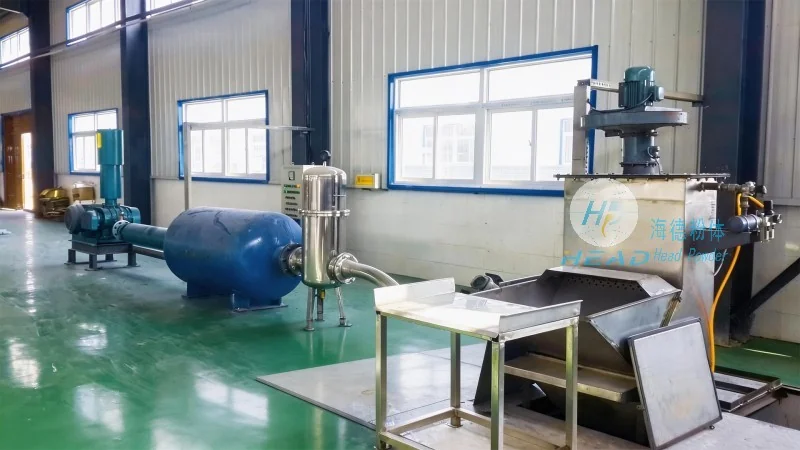
Understanding the Importance of Pneumatic Conveying in Pharmaceutical Manufacturing
In the pharmaceutical industry, the handling of powders and granules requires systems that are not only efficient but also hygienic and reliable. Pneumatic conveying systems offer several advantages over traditional mechanical conveying methods. They provide a closed system that prevents product contamination from external sources, maintain product temperature and moisture levels, and reduce dust emissions. For pharmaceutical applications, where product purity and safety are paramount, these features make pneumatic conveying an ideal solution. Moreover, these systems can be designed to meet stringent cGMP (Current Good Manufacturing Practice) requirements, ensuring that the manufacturing process adheres to regulatory standards.
Key Factors to Consider When Choosing a Pneumatic Conveying System
Choosing the right pneumatic conveying system for your pharmaceutical processing involves evaluating several critical factors. The first step is to assess the characteristics of the material being conveyed. Different materials have varying properties such as particle size, density, moisture content, and flowability, which directly impact the type of conveying system required. For example, cohesive or fine powders may require a pressure or vacuum system with specific design features to prevent blockages and ensure smooth flow. Additionally, the distance and layout of the conveying line, as well as the required throughput, will influence the system's design and capacity. It is also essential to consider the system's integration with existing equipment and the need for scalability to accommodate future production needs.
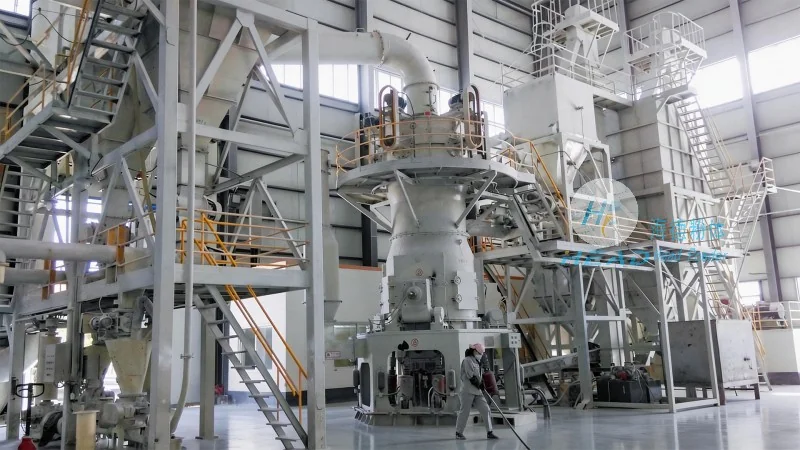
Types of Pneumatic Conveying Systems for Pharmaceutical Applications
There are primarily two types of pneumatic conveying systems used in pharmaceutical manufacturing: pressure and vacuum systems. Pressure systems use compressed air to push material through the conveying line, while vacuum systems use a vacuum to pull material. Each type has its own advantages and is suitable for different applications. Pressure systems are generally more suitable for short to medium conveying distances and for materials that are less likely to clog, as they provide a positive pressure that helps maintain flow. Vacuum systems, on the other hand, are ideal for longer distances or when the material needs to be transported from multiple sources to a single destination. They are also useful for handling materials that are prone to dust generation or require gentle handling. Understanding the differences between these systems and their suitability for your specific material and process requirements is crucial in making an informed decision.
Design and Construction Considerations for Pharmaceutical Pneumatic Conveying Systems
The design and construction of a pneumatic conveying system for pharmaceutical use must prioritize hygiene, durability, and ease of cleaning. Components such as hoppers, pipelines, and valves should be made from materials that are resistant to corrosion and easy to clean, such as stainless steel. The system should also be designed with smooth surfaces and minimal dead zones to prevent product accumulation and contamination. Additionally, the use of sanitary fittings and connections is essential to ensure that the system can be thoroughly cleaned and sanitized between batches. Shandong HeadPowder Engineering Co., Ltd. specializes in designing and manufacturing custom pneumatic conveying systems that meet these stringent requirements, ensuring that their clients can maintain the highest standards of product quality and safety.
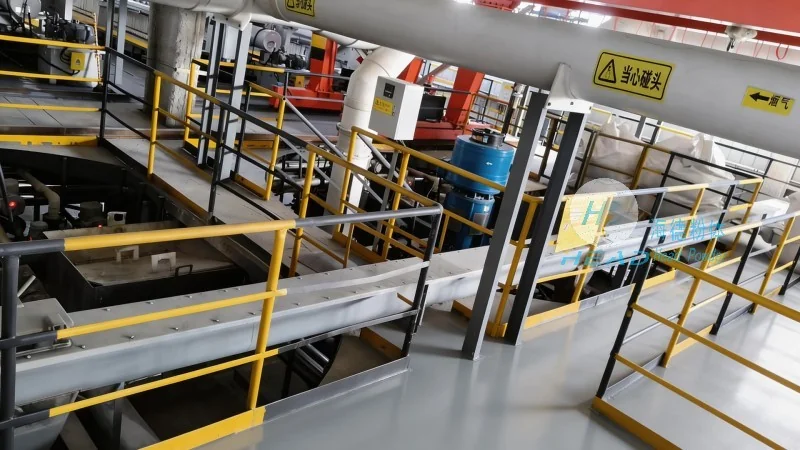
Integration and Maintenance of Pneumatic Conveying Systems
Once a pneumatic conveying system is selected and installed, proper integration with the existing pharmaceutical processing line is vital. This includes ensuring that the system is compatible with other equipment such as mixers, blenders, and packaging machines. The system should also be designed for easy maintenance and access to components for cleaning and repair. Regular maintenance is essential to ensure the system operates efficiently and reliably over time. This includes checking for air leaks, cleaning filters, and inspecting for wear and tear on components. By investing in a well-designed and properly maintained pneumatic conveying system, pharmaceutical manufacturers can enhance their operational efficiency, reduce downtime, and ensure consistent product quality.
Conclusion: Partnering with a Specialist for Your Pneumatic Conveying Needs
Selecting the right pneumatic conveying system for your pharmaceutical processing is a critical decision that can significantly impact your production efficiency and product quality. By considering factors such as material properties, conveying distance, system type, and design requirements, you can make an informed choice that meets your specific needs. Shandong HeadPowder Engineering Co., Ltd. offers a range of custom pneumatic conveying solutions tailored to the unique requirements of pharmaceutical manufacturers. With their expertise in designing and manufacturing high-quality systems, they can help you select the most suitable pneumatic conveying system for your application, ensuring that your pharmaceutical processing operations run smoothly and efficiently. Whether you need a pressure or vacuum system, a custom-designed solution, or assistance with system integration, HeadPowder is committed to providing the support and solutions you need to achieve your manufacturing goals.




