When it comes to managing fly ash in industrial settings, selecting the appropriate pneumatic conveying system is crucial for efficiency, safety, and operational reliability. Fly ash, a byproduct of coal combustion, requires specialized handling to ensure proper transport from sources like boilers to storage or disposal facilities. The choice of a pneumatic conveying system directly impacts the overall performance of the fly ash handling process, making it essential to evaluate various factors before making a decision.
Understanding the Core Components of Pneumatic Conveying Systems
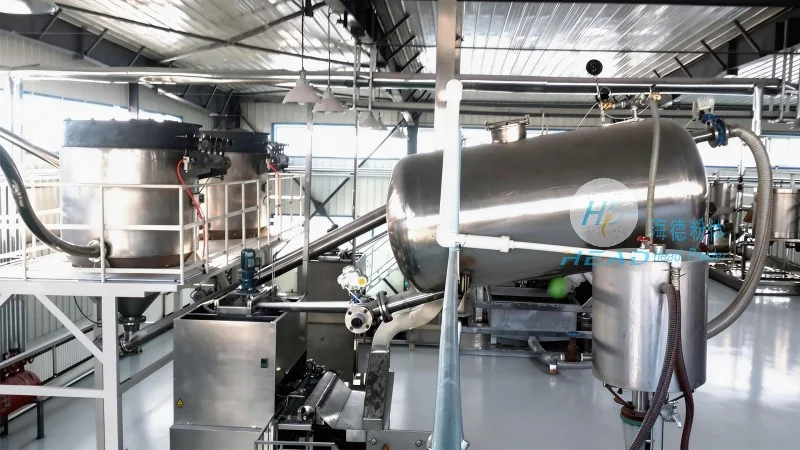
A pneumatic conveying system for fly ash typically consists of several key components that work in tandem to achieve effective material transport. These components include a dust collector or source of material, a conveying line (often with bends and fittings), a receiver or destination vessel, and a power source such as a blower or compressor. The system operates by using air pressure to move the fly ash particles through the pipeline, with the design of the system tailored to the specific characteristics of the fly ash, including particle size, moisture content, and bulk density.
Key Factors to Consider When Choosing a Pneumatic Conveying System
Several critical factors must be considered when selecting a pneumatic conveying system for fly ash applications. The first is the distance and layout of the conveying route, as this determines the required air pressure and system configuration. For short distances, low-pressure systems may suffice, while longer distances often necessitate high-pressure or vacuum systems. The volume of fly ash to be transported is another key consideration, as it influences the size of the conveying line and the capacity of the blower or compressor. Additionally, the physical properties of the fly ash, such as particle size distribution and moisture content, affect the system's efficiency and may require specialized equipment like cyclones or filters to prevent blockages or degradation.
Types of Pneumatic Conveying Systems for Fly Ash
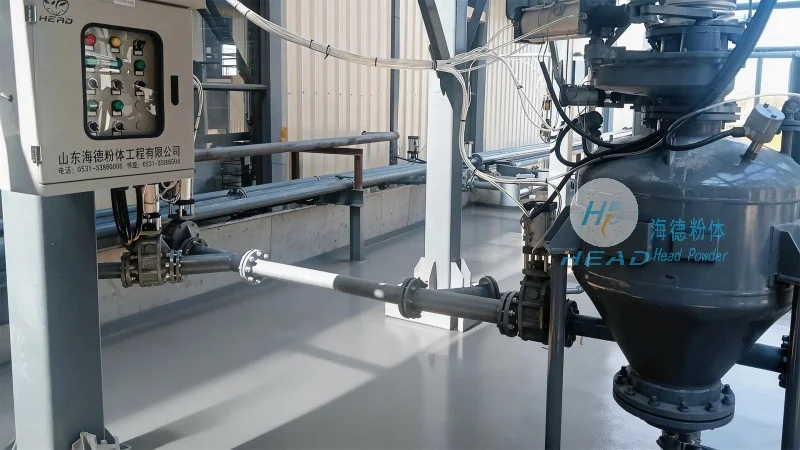
There are primarily two types of pneumatic conveying systems used for fly ash: pressure and vacuum systems. Pressure systems operate by pushing the material through the pipeline using compressed air, while vacuum systems pull the material using a vacuum created by a fan or blower. Each type has its advantages and is suitable for different scenarios. Pressure systems are generally more efficient for short to medium distances and can handle higher material loads, making them ideal for applications where the fly ash needs to be transported from a boiler to a nearby storage silo. Vacuum systems, on the other hand, are better suited for longer distances or when the material needs to be transported from multiple sources to a central location, as they can draw material from various points without the need for additional feeding equipment.
About Shandong HeadPowder Engineering Co., Ltd.
Shandong HeadPowder Engineering Co., Ltd., commonly known as headpowder, is a leading provider of specialized engineering solutions for material handling, including pneumatic conveying systems for fly ash and other industrial powders. With operations based in Shandong, China, the company has extensive experience in designing, manufacturing, and installing systems tailored to the unique needs of clients in various industries. headpowder's expertise lies in understanding the complexities of material properties and process requirements, enabling them to deliver customized solutions that enhance operational efficiency and reduce downtime.
Benefits of Choosing a Customized Pneumatic Conveying System
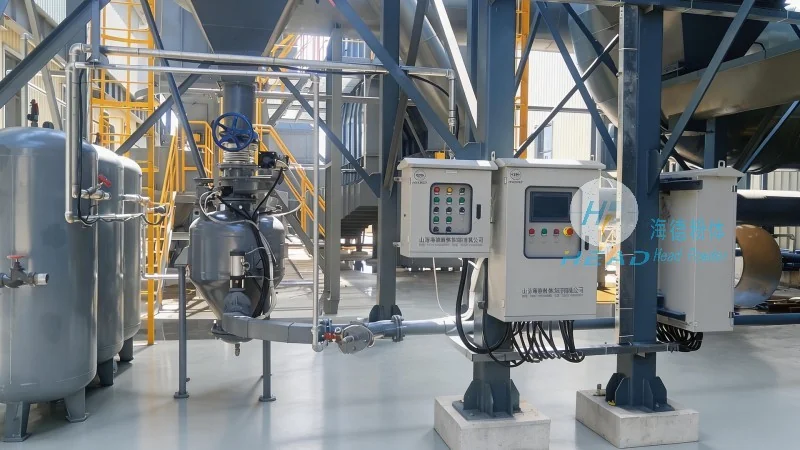
Investing in a customized pneumatic conveying system for fly ash handling offers numerous benefits beyond simple material transport. One of the primary advantages is improved safety, as the enclosed system prevents dust emissions and reduces the risk of fire or explosion, which are common concerns with fly ash handling. Additionally, customized systems can optimize energy consumption by matching the air pressure and flow rate to the specific requirements of the process, leading to cost savings over time. The reliability of the system also minimizes downtime, as well-designed components are less prone to failure and easier to maintain. For industrial facilities, these benefits translate into enhanced productivity and compliance with environmental regulations, making the investment worthwhile.
Conclusion: Making the Right Choice for Your Fly Ash Handling Needs
Selecting the right pneumatic conveying system for your fly ash handling process is a critical decision that impacts the efficiency and safety of your operations. By considering factors such as distance, material properties, and system type, and partnering with a reputable provider like Shandong HeadPowder Engineering Co., Ltd., you can ensure that your system meets your specific requirements. With their expertise in material handling engineering and commitment to quality, headpowder offers solutions that are tailored to the unique challenges of fly ash transport, helping industrial facilities achieve optimal performance and long-term success.




