For industrial facilities handling PTA (Polyethylene Terephthalate Acid) powder, selecting the appropriate pneumatic conveying system is a critical decision that impacts operational efficiency, product quality, and overall process reliability. The choice of system must align with the unique characteristics of PTA powder, such as its fine particle size, hygroscopic nature, and potential for static charge accumulation. This article provides a comprehensive guide to help facility managers and engineers make informed decisions when selecting a pneumatic conveying system for their PTA powder handling applications, with insights from Shandong HeadPowder Engineering Co., Ltd., a leading provider of powder handling solutions.
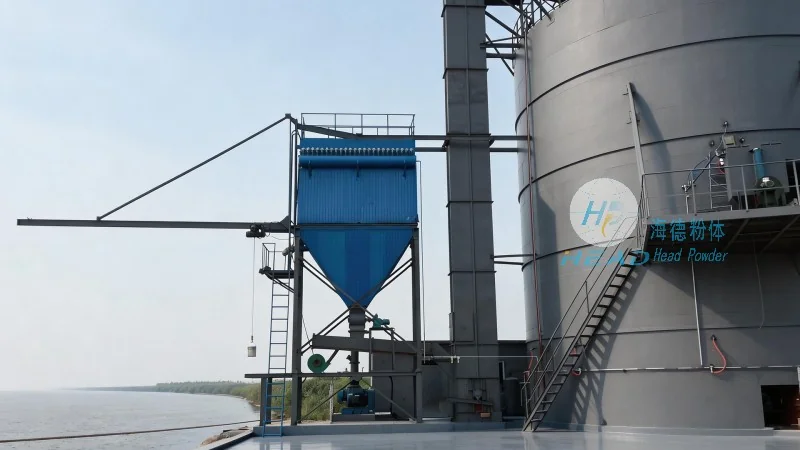
Understanding PTA Powder Handling Challenges
PTA powder is a key raw material in the production of polyester fibers and resins, and its handling requires specialized equipment due to its physical properties. The fine particle size of PTA powder (typically 10-200 microns) makes it prone to dust generation and air resistance during transport. Additionally, PTA is hygroscopic, meaning it can absorb moisture from the air, which may affect its performance in downstream processes. Static charge accumulation is another common issue, as the powder can generate static electricity during movement, leading to material buildup on equipment surfaces or causing operational hazards. These challenges necessitate the use of efficient and reliable pneumatic conveying systems that can handle PTA powder without compromising its quality or safety.
Key Factors to Consider When Choosing a Pneumatic Conveying System
When selecting a pneumatic conveying system for PTA powder, several factors must be evaluated to ensure optimal performance and cost-effectiveness. The first consideration is the system type, which can be broadly categorized into positive pressure, negative pressure, or a combination of both. Positive pressure systems use compressed air to push the powder through the system, while negative pressure systems use vacuum to pull the powder. The choice between these systems depends on the distance, elevation changes, and material characteristics. For PTA powder, positive pressure systems are often preferred due to their ability to handle fine powders and maintain consistent flow rates, reducing the risk of clogging and material degradation.
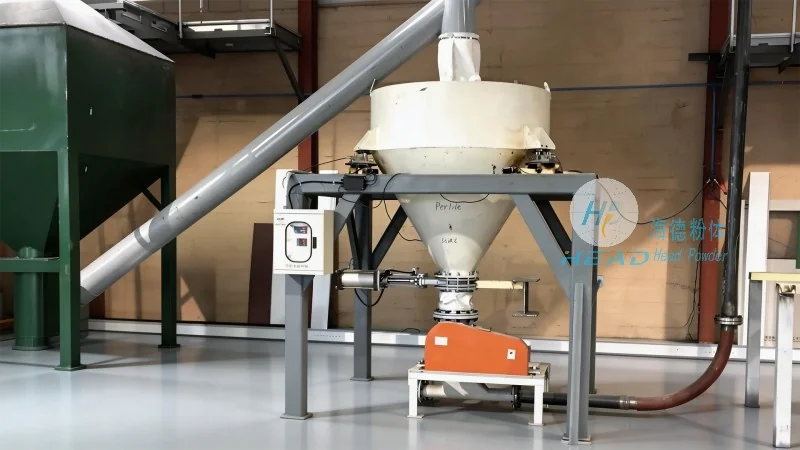
Another critical factor is the system's capacity and flow rate. The required conveying capacity depends on the production scale and the number of transfer points in the process. A system with adjustable flow control allows for flexibility in handling varying production loads, ensuring that the PTA powder is transported efficiently without overloading the system. Additionally, the system's ability to handle variations in powder density and moisture content is important, as these factors can affect the conveying efficiency and energy consumption.
Material compatibility is also a key consideration. The components of the pneumatic conveying system, such as the ducts, valves, and filters, must be made of materials that are resistant to the chemical properties of PTA powder. Stainless steel or corrosion-resistant materials are commonly used to prevent material buildup and ensure long-term system performance. The system's design should also include features to prevent static charge accumulation, such as grounding and anti-static materials, to maintain safety and product quality.
HeadPowder's Expertise in PTA Powder Handling Solutions
Shandong HeadPowder Engineering Co., Ltd., known in the industry as HeadPowder, specializes in providing customized pneumatic conveying systems tailored to the specific needs of PTA powder handling applications. With years of experience in the powder handling industry, HeadPowder has developed a deep understanding of the challenges associated with PTA powder and has designed systems that address these challenges effectively. The company's team of engineers works closely with clients to assess their specific requirements, including the scale of operation, the distance of material transport, and the desired level of automation, to design a system that meets their needs.
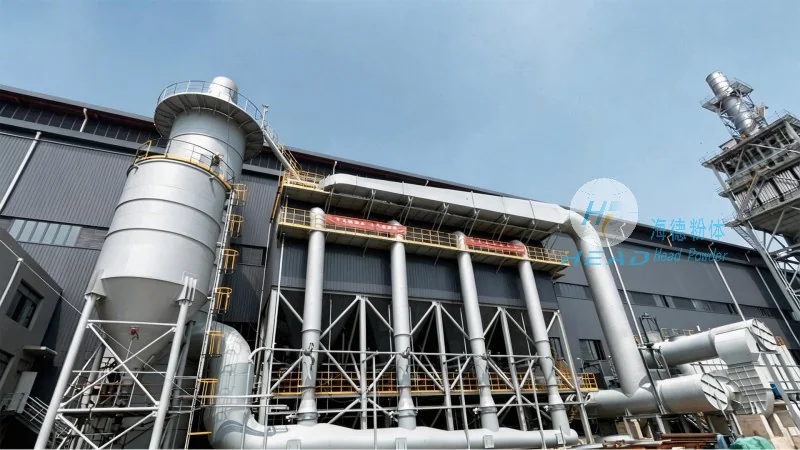
HeadPowder's pneumatic conveying systems for PTA powder are designed with high-quality components and advanced technology to ensure reliable operation. The systems are equipped with features such as variable frequency drives (VFDs) for energy-efficient operation, advanced filtration systems to maintain powder quality, and monitoring systems to track system performance and detect potential issues in real-time. The company also provides comprehensive after-sales support, including system maintenance, repair, and technical assistance, to ensure that the systems operate at peak efficiency throughout their service life.
HeadPowder's commitment to quality and customer satisfaction has earned it a reputation as a trusted partner in the PTA powder handling industry. The company's systems are designed to meet international standards and are backed by rigorous testing and quality control processes to ensure that they deliver consistent performance and reliability. By choosing HeadPowder's pneumatic conveying systems, facilities can improve their operational efficiency, reduce downtime, and maintain the quality of their PTA powder, ultimately enhancing their overall productivity and profitability.




