When it comes to handling calcium carbide slag, selecting the appropriate pneumatic conveying system is crucial for ensuring efficient and reliable material transport. Calcium carbide slag, a byproduct of the calcium carbide production process, presents unique challenges due to its abrasive nature and varying particle sizes. A well-designed pneumatic conveying system not only improves operational efficiency but also reduces maintenance costs and enhances overall safety in the handling process. This article will guide you through the key considerations and factors to evaluate when choosing a pneumatic conveying system for your calcium carbide slag handling operations, with insights from Shandong HeadPowder Engineering Co., Ltd., a leading provider in the field.
About Shandong HeadPowder Engineering Co., Ltd.
Shandong HeadPowder Engineering Co., Ltd., commonly known as HeadPowder, is a professional engineering company based in Shandong, China. With years of experience in the design, manufacturing, and installation of pneumatic conveying systems, HeadPowder specializes in providing customized solutions tailored to the specific needs of clients in the chemical, metallurgical, and industrial sectors. The company’s expertise lies in understanding the unique characteristics of materials like calcium carbide slag and developing efficient, durable, and cost-effective conveying systems that meet stringent industry standards.
Key Factors to Consider When Selecting a Pneumatic Conveying System
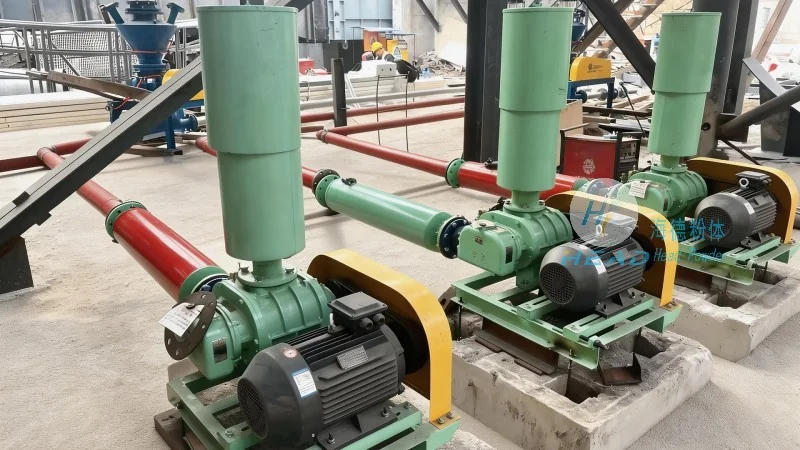
Choosing the right pneumatic conveying system for calcium carbide slag handling involves evaluating several critical factors. The first consideration is the type of system: positive pressure or negative pressure. Positive pressure systems use a blower to force air and material through the pipeline, while negative pressure systems use a vacuum to draw material into the system. The choice depends on the distance to be covered, the volume of material to be conveyed, and the layout of the facility. For calcium carbide slag, which is often abrasive and can cause wear on equipment, the system design must account for material properties to ensure longevity and minimal downtime.
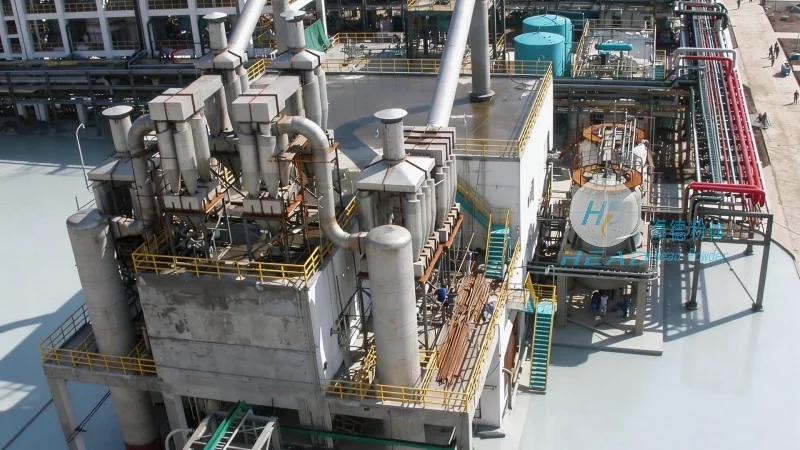
Another crucial factor is the conveying capacity and distance. The system must be capable of handling the required flow rate and transporting the material over the intended distance without excessive pressure drop or loss of material. HeadPowder engineers assess the particle size distribution, bulk density, and flowability of the slag to determine the optimal system configuration. Additionally, the system’s ability to handle variations in material feed rate and maintain consistent flow is essential for maintaining production efficiency.
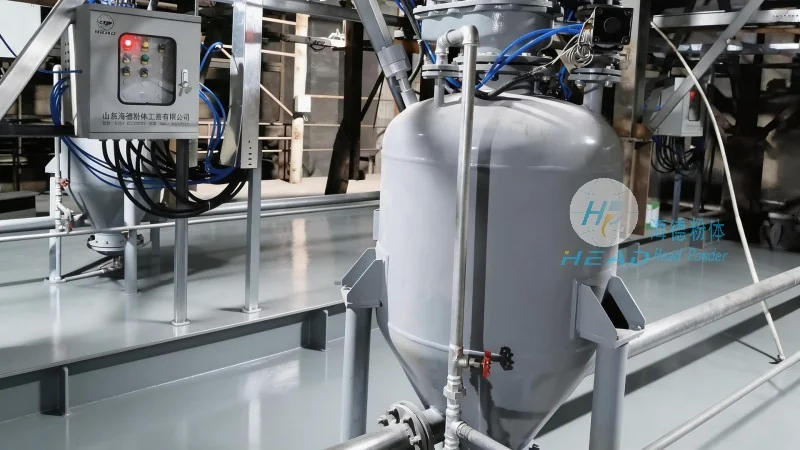
Material characteristics also play a significant role. Calcium carbide slag can vary in composition, with different levels of moisture content and abrasive particles. The system must be designed to handle these variations without clogging or damaging components. HeadPowder’s engineers conduct thorough material analysis to select appropriate materials for the system components, such as wear-resistant liners and high-quality valves, to ensure long-term performance.
Types of Pneumatic Conveying Systems for Calcium Carbide Slag
There are primarily two types of pneumatic conveying systems used for calcium carbide slag: dilute phase and dense phase. Dilute phase systems operate at higher air velocities, typically 20-30 m/s, and are suitable for short to medium distances, usually up to 100 meters. These systems are efficient for handling fine particles and can transport material at relatively high speeds. However, they may require more energy and are less effective for abrasive materials that can cause wear on the pipeline and equipment.




