When it comes to managing rubber powder in industrial settings, selecting the appropriate pneumatic conveying system is crucial for efficiency, safety, and cost-effectiveness. As a leading provider in the field, Shandong HeadPowder Engineering Co., Ltd. specializes in designing and implementing tailored solutions that meet the unique demands of rubber powder handling processes. This article aims to guide you through the key considerations and factors to evaluate when choosing a pneumatic conveying system for your rubber powder operations.
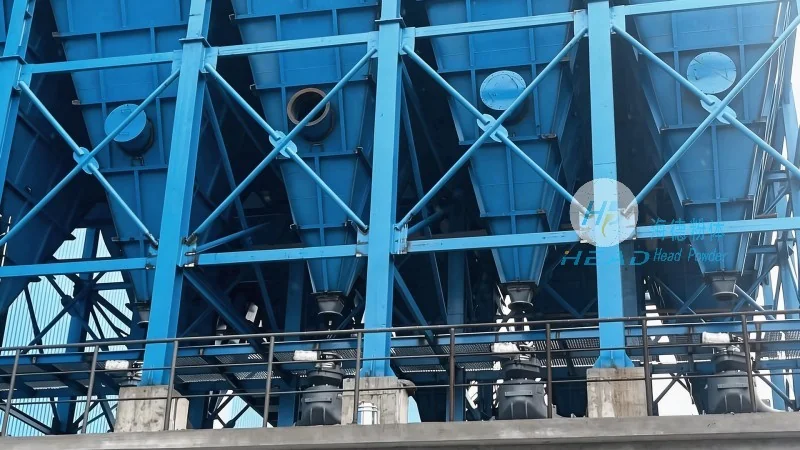
Understanding the Importance of Pneumatic Conveying for Rubber Powder
Rubber powder, with its fine particles and varying properties, requires specialized handling to prevent clogging, maintain product integrity, and ensure smooth material flow. Pneumatic conveying systems offer a non-contact method of transporting bulk materials, which is particularly beneficial for rubber powder due to its abrasive and potentially dusty nature. Unlike traditional mechanical conveying methods, pneumatic systems minimize product degradation and reduce the risk of contamination, making them an ideal choice for industries that demand high-quality rubber powder.
Key Factors to Consider When Selecting a Pneumatic Conveying System
Choosing the right pneumatic conveying system for rubber powder handling involves evaluating several critical factors. The first consideration is the material's characteristics, such as particle size, density, and moisture content. These properties directly impact the system's design, including the type of air flow (positive or negative pressure), the size of the conveying line, and the required air velocity. For rubber powder, which often has a wide particle size distribution, a system that can handle varying particle sizes without clogging is essential. Shandong HeadPowder Engineering Co., Ltd. takes these material properties into account during the design phase to ensure optimal performance.
Another critical factor is the system's capacity and throughput requirements. The conveying system must be able to handle the desired volume of rubber powder at a consistent rate without bottlenecks. This involves calculating the required air volume and pressure based on the material's flow characteristics and the distance it needs to be transported. HeadPowder engineers use advanced calculations and simulations to determine the most efficient system configuration that meets the client's production needs.
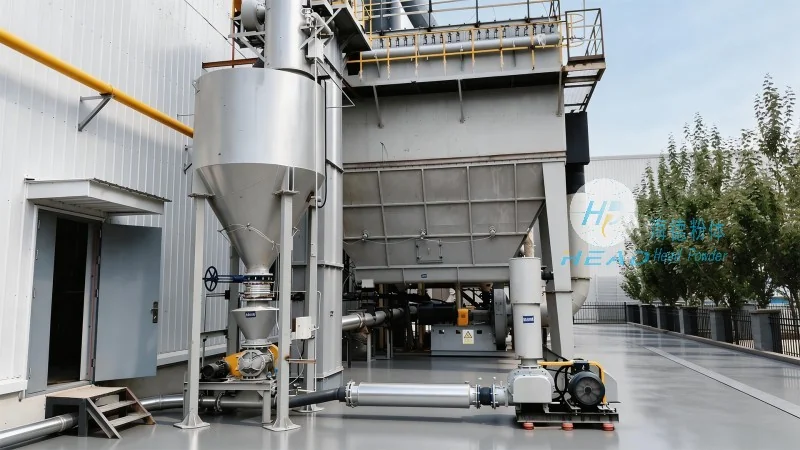
Types of Pneumatic Conveying Systems for Rubber Powder
There are several types of pneumatic conveying systems available, each with its own advantages and applications. The most common types for rubber powder handling include positive pressure systems, negative pressure systems, and hybrid systems. Positive pressure systems use compressed air to push the material through the conveying line, making them suitable for long-distance and high-capacity applications. Negative pressure systems, on the other hand, use suction to draw the material into the system, which is ideal for short-distance and low-volume operations. Hybrid systems combine both positive and negative pressure elements, offering flexibility for complex layouts and varying material flow rates.
For rubber powder, positive pressure systems are often preferred due to their ability to handle abrasive materials and maintain consistent flow rates. These systems typically use a blower or compressor to generate the necessary air pressure, ensuring the material is transported efficiently without clogging. Shandong HeadPowder Engineering Co., Ltd. specializes in designing positive pressure systems that are robust and reliable, with features such as pulse-jet cleaning to prevent material buildup in the conveying lines.
Design and Installation Considerations
The design and installation of a pneumatic conveying system for rubber powder require careful planning to ensure long-term performance and minimal maintenance. HeadPowder engineers consider factors such as the system's layout, the location of the rubber powder source and destination, and the available space in the facility. The system's components, including the hopper, feeder, conveying line, and receiver, must be designed to handle the specific properties of rubber powder, such as its tendency to stick to surfaces or form agglomerates.
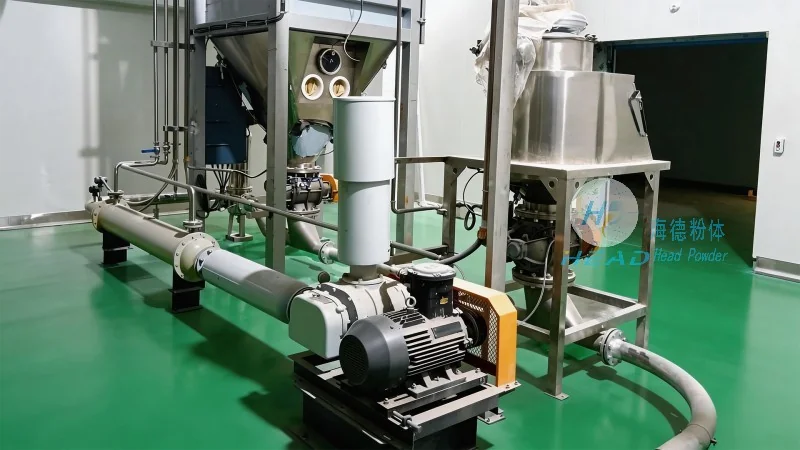
Installation also involves ensuring proper ventilation and dust control measures are in place to maintain a safe working environment. Rubber powder can be a respiratory hazard if inhaled, so the system must be equipped with dust collection and filtration systems to capture any airborne particles. HeadPowder's expertise in dust control and ventilation ensures that their systems comply with safety regulations and provide a healthy working environment for employees.
Maintenance and Long-Term Performance
Regular maintenance is essential to keep a pneumatic conveying system for rubber powder operating at peak efficiency. HeadPowder provides comprehensive maintenance services to ensure that the system remains in good condition and minimizes downtime. This includes routine inspections of the conveying line, cleaning of the hopper and feeder, and replacement of worn parts. The company also offers training to clients on how to perform basic maintenance tasks, empowering them to keep the system running smoothly.
Long-term performance is a key consideration when investing in a pneumatic conveying system. Shandong HeadPowder Engineering Co., Ltd. designs systems with durability and longevity in mind, using high-quality materials and components that can withstand the abrasive nature of rubber powder. By choosing a well-designed system from HeadPowder, clients can expect a long service life and low operating costs, making it a cost-effective solution for their rubber powder handling needs.




