When it comes to managing the transportation of graphite powder in industrial settings, selecting the appropriate pneumatic conveying system is crucial for efficiency, safety, and cost-effectiveness. The choice of system directly impacts the overall performance of your process, making it essential to understand the key factors that influence this decision.
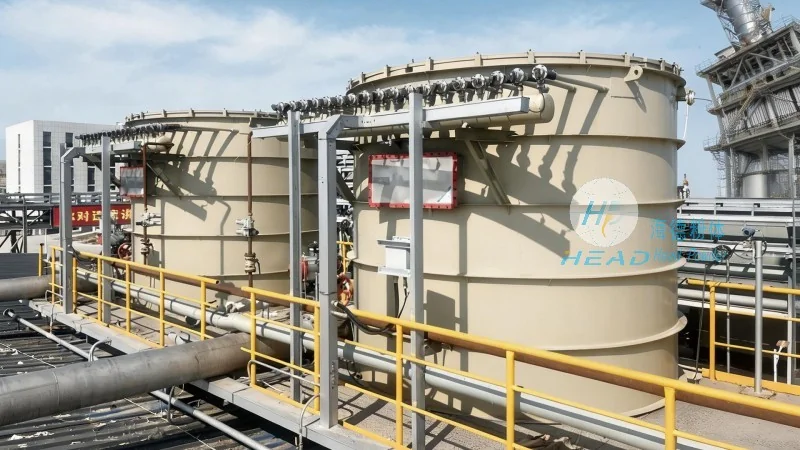
HeadPowder, a leading provider of engineering solutions for material handling, understands the unique challenges associated with graphite powder. With years of experience in the industry, our team at Shandong HeadPowder Engineering Co., Ltd. has developed specialized expertise in designing and implementing pneumatic conveying systems tailored to the specific needs of graphite powder applications. Our headquarters are located in Shandong, China, where we leverage local resources and industry knowledge to deliver high-quality solutions.
Graphite powder, known for its lubricating properties and high thermal conductivity, presents specific handling requirements that differ from other bulk materials. Its fine particle size and tendency to agglomerate can affect the flow characteristics and system performance. Therefore, the selection of a pneumatic conveying system must consider factors such as particle size distribution, moisture content, and the desired conveying distance and speed. These variables directly influence the choice between different system types, including dilute phase, dense phase, and hybrid systems.
Dilute phase pneumatic conveying systems are commonly used for short to medium distances and low to medium flow rates. These systems operate by transporting particles in a suspended state within a high-velocity air stream. For graphite powder applications, this method is suitable when the material is free-flowing and does not require gentle handling. However, it may not be ideal for materials prone to dust generation or those that need to be conveyed over longer distances without degradation. The key advantage of dilute phase systems is their ability to handle large volumes with relatively low pressure, making them cost-effective for certain applications.
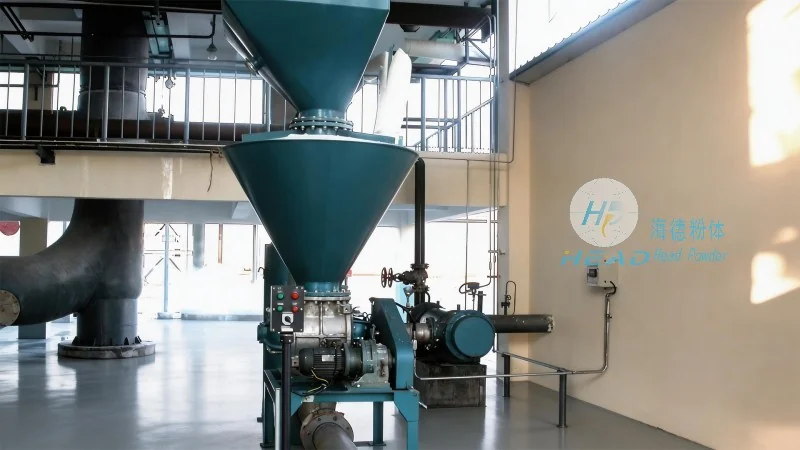
Dense phase pneumatic conveying systems, on the other hand, are designed for more demanding applications where the material needs to be conveyed gently and with minimal degradation. These systems operate by transporting particles in a dense, slurry-like state, often using lower air velocities and higher pressure. This approach is particularly beneficial for graphite powder, as it reduces the risk of particle breakage and dust formation, preserving the material's quality. Dense phase systems are ideal for applications requiring precise control over the material's flow and for conveying over longer distances or through complex piping networks. They are also suitable for materials that are sensitive to high velocities or that need to be discharged at a controlled rate.
Hybrid pneumatic conveying systems combine the features of both dilute and dense phase systems, offering flexibility and adaptability for a wide range of graphite powder handling scenarios. These systems can switch between different operating modes based on the material's characteristics and the process requirements. For instance, a hybrid system might use a dilute phase for initial transport and then transition to a dense phase for the final delivery, optimizing energy consumption and material handling efficiency. This adaptability makes hybrid systems a popular choice for industrial facilities that process varying types of graphite powder or that have changing production demands.
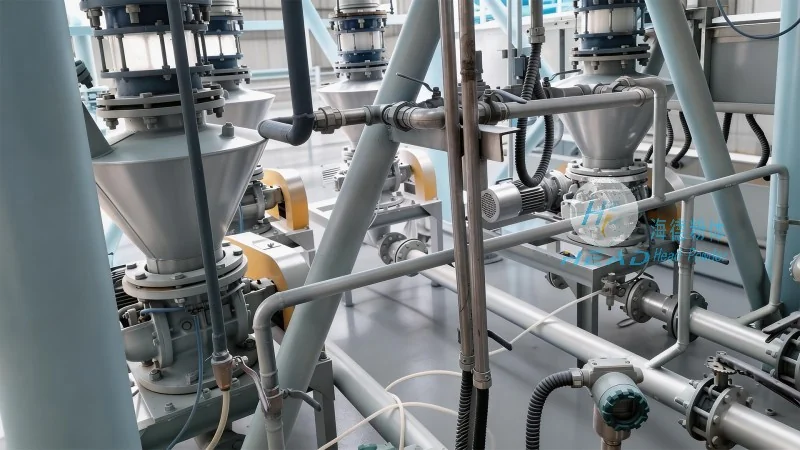
When selecting a pneumatic conveying system for graphite powder, several critical design factors must be evaluated. First, the conveying distance and layout of the system are key considerations. The length of the pipeline and the number of turns or bends will affect the required air pressure and the overall system design. Additionally, the capacity of the system, measured in terms of material flow rate, must align with the production requirements of the facility. Overloading the system can lead to performance issues, such as increased pressure drop or material blockages, which can impact productivity and increase maintenance costs.
Maintenance and reliability are also important factors to consider when choosing a pneumatic conveying system. Graphite powder can be abrasive and may cause wear on system components, such as pumps, valves, and piping. Therefore, selecting materials that are resistant to corrosion and wear is essential for ensuring long-term system performance. Regular maintenance, including cleaning and inspection of the system, is crucial to prevent blockages and maintain optimal operation. At HeadPowder, we provide comprehensive maintenance services and use high-quality components to ensure that our systems operate reliably and efficiently over their service life.
Choosing the right pneumatic conveying system for your graphite powder handling process requires a thorough understanding of the material's properties, the system's capabilities, and the specific requirements of your industrial application. By considering factors such as particle size, conveying distance, and material sensitivity, you can select a system that maximizes efficiency, minimizes downtime, and ensures the quality of your graphite powder. HeadPowder, with its expertise and commitment to quality, is ready to assist you in selecting and implementing the optimal pneumatic conveying system for your needs. Our team in Shandong, China, is dedicated to providing tailored solutions that meet your unique challenges and help you achieve your operational goals.




