Mica sand, a vital raw material in numerous industrial applications, demands efficient and reliable material handling solutions to maintain smooth production workflows. Among the available technologies, pneumatic conveying systems emerge as a versatile and effective method for transporting mica sand. However, selecting the appropriate system for a specific mica sand handling process is essential to optimize performance, reduce operational costs, and preserve product quality. This article offers a detailed guide to help you navigate the selection process, with a focus on key considerations and the expertise of Shandong HeadPowder Engineering Co., Ltd. (headpowder) in designing customized solutions.
Understanding Mica Sand Characteristics and Handling Challenges
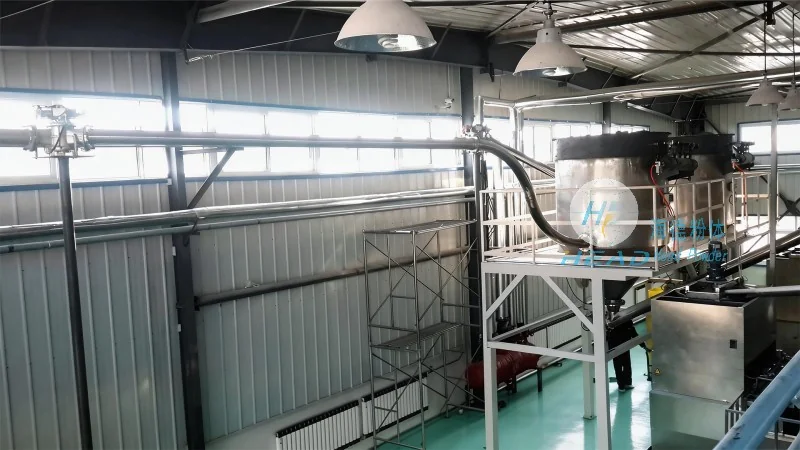
Mica sand typically comprises fine particles with low bulk density and high dust generation potential. These traits make conventional bulk handling methods, such as belt conveyors or bucket elevators, less suitable due to issues like material degradation, increased maintenance, and environmental concerns. Pneumatic conveying systems address these challenges by transporting mica sand in a closed system using air, reducing dust exposure and preserving material integrity. The effectiveness of a pneumatic system, however, hinges on matching its design to the specific properties of the mica sand, including particle size distribution, moisture content, and flowability.
Key Factors in Selecting a Pneumatic Conveying System for Mica Sand
When evaluating pneumatic conveying systems for mica sand applications, several critical factors must be considered to ensure optimal performance. The first is the system type: positive pressure (pressure) or negative pressure (vacuum). Positive pressure systems utilize compressed air to push material through the pipeline, while negative pressure systems employ suction to draw material into the system. The choice between these depends on the distance to be covered, required flow rate, and presence of obstacles or elevation changes. For mica sand, often transported over moderate distances with varying elevations, a combination of both or a specialized design may be necessary.
Another crucial factor is the system's phase: dense phase or dilute phase. Dense phase conveying moves material in a slurry-like state with higher material-to-air ratios, resulting in lower air consumption and reduced particle degradation. This is particularly advantageous for mica sand as it minimizes the risk of particle breakage during transport. Dilute phase systems, conversely, use lower material-to-air ratios and are suitable for longer distances or when the material is less abrasive. The selection of dense or dilute phase depends on operational requirements, such as balancing low energy consumption against high throughput needs.
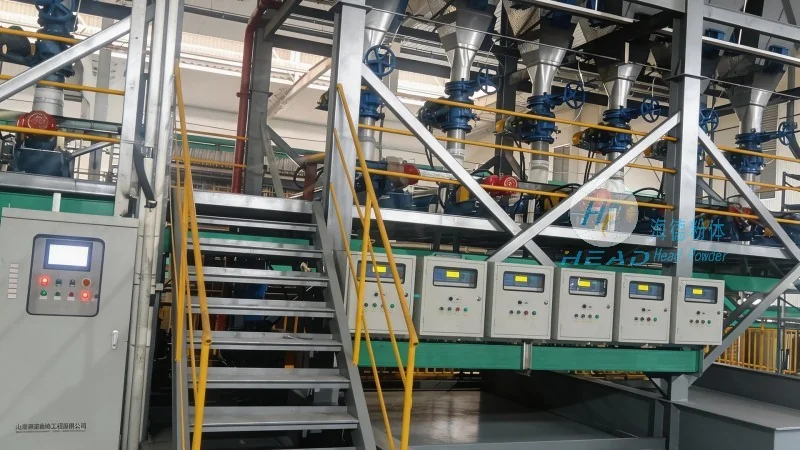
Additionally, pipeline configuration and material handling equipment are vital. The design of the hopper, feeder, and pipeline must accommodate the mica sand's flow characteristics to prevent blockages or uneven flow. For example, mica sand with high moisture content may require a hopper with a heated surface to prevent caking, while fine particles may need a rotary valve or screw feeder for consistent discharge. The expertise of headpowder in material flow analysis and equipment selection ensures these factors are addressed effectively in system design.
Customized Solutions by Shandong HeadPowder Engineering Co., Ltd.
Shandong HeadPowder Engineering Co., Ltd., a leading provider of pneumatic conveying systems, specializes in developing tailored solutions for unique mica sand handling needs. With extensive industry experience, headpowder recognizes that a one-size-fits-all approach is insufficient for optimizing material transport. The company's engineers collaborate closely with clients to analyze operational parameters, including mica sand type and quantity, distance/elevation changes, and required throughput. This comprehensive analysis enables headpowder to design systems that meet and exceed performance expectations.
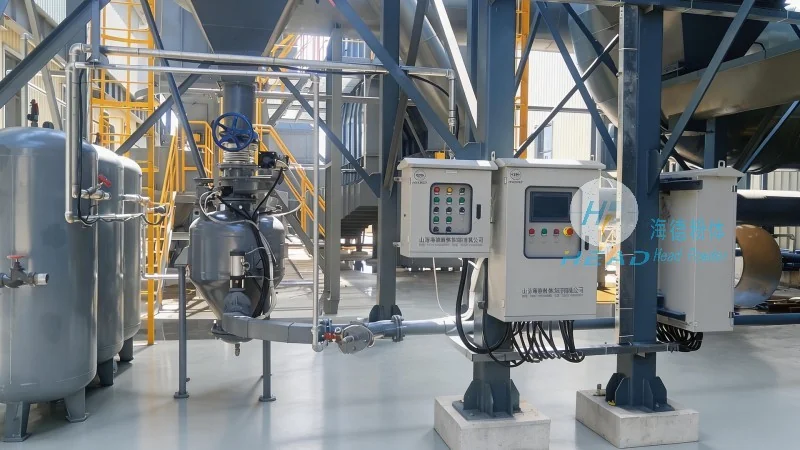
headpowder's approach emphasizes efficiency and reliability. By integrating advanced technologies like variable frequency drives (VFDs) for energy optimization and high-efficiency filters for dust control, the company ensures the pneumatic system operates at peak performance while minimizing environmental impact. The company also considers long-term maintenance and operational costs, selecting durable and service-friendly components. For instance, wear-resistant materials in pipelines and hoppers reduce replacement needs, lowering total cost of ownership.
Furthermore, headpowder offers end-to-end support. From initial consultation and system design to installation and commissioning, the company provides seamless integration of the pneumatic conveying system into existing mica sand handling processes. This includes operator training on system operation and maintenance, along with ongoing technical support for any issues. The goal is to deliver a solution that enhances mica sand transport efficiency and contributes to the overall sustainability and profitability of operations.
Conclusion: Making the Right Choice for Mica Sand Handling
Selecting the right pneumatic conveying system for mica sand handling is a critical decision impacting process efficiency, cost, and sustainability. By considering system type, phase, and equipment design, and leveraging companies like Shandong HeadPowder Engineering Co., Ltd., businesses can ensure reliable and efficient material transport. The key is matching the system to the specific mica sand characteristics and operational requirements, resulting in a solution that supports the success of the mica sand handling process.




