When it comes to managing fertilizer granule handling processes, selecting the appropriate pneumatic conveying system is crucial for efficiency, reliability, and cost-effectiveness. The right system can significantly enhance the overall performance of your fertilizer production and distribution operations. In this article, we will explore key considerations and factors that help in choosing the most suitable pneumatic conveying system for your specific fertilizer granule handling needs.
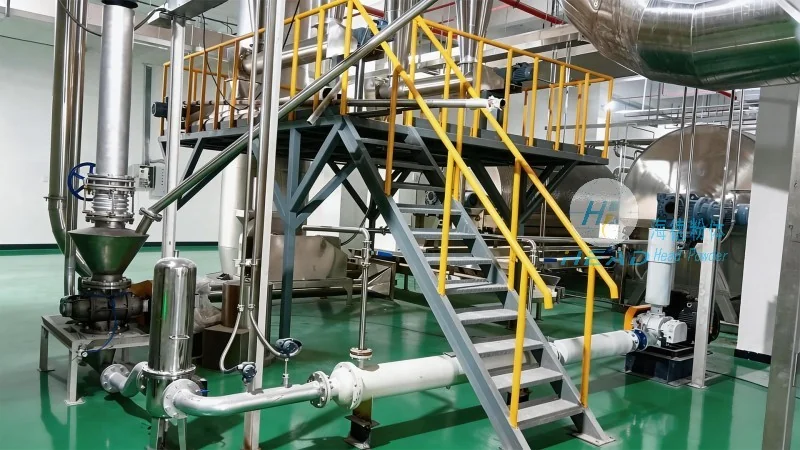
Understanding the Core Requirements of Fertilizer Granule Handling
Before diving into the selection process, it's essential to understand the unique characteristics of fertilizer granules. These materials often have specific properties such as size, density, moisture content, and flowability, which directly impact the choice of conveying technology. For instance, some granules may be cohesive or have a tendency to agglomerate, requiring specialized equipment to maintain proper flow and prevent blockages. Additionally, the scale of your operation—whether it's a small-scale farm or a large industrial facility—will influence the capacity and complexity of the pneumatic conveying system needed.
Key Factors to Consider When Choosing a Pneumatic Conveying System
Several critical factors must be evaluated when selecting a pneumatic conveying system for fertilizer granule handling. First, the type of conveying system—whether it's a pressure or vacuum system—needs careful consideration. Pressure systems are typically used for long-distance or high-capacity applications, while vacuum systems are more suitable for shorter distances or when the material needs to be drawn from multiple sources. The choice also depends on the material's properties, as some granules may require higher pressure to maintain flow, especially if they are prone to sticking or have a high moisture content.
Second, the system's capacity and throughput are vital. The conveying system must be able to handle the required volume of fertilizer granules without bottlenecks or inefficiencies. This involves assessing the production rate of your fertilizer plant and ensuring the conveying system can match or exceed that capacity. For example, if your facility produces 500 tons of fertilizer per day, the pneumatic conveying system must be capable of transporting that volume efficiently, minimizing downtime and maximizing productivity.
Third, the material's handling characteristics, such as its abrasiveness and potential for dust generation, play a significant role. Abrasive granules can cause wear and tear on the system components, requiring durable materials like stainless steel or special coatings to extend the system's lifespan. Dust control is another critical aspect, as fertilizer granules can create airborne dust that poses health and safety risks. Therefore, the system should incorporate effective dust collection and filtration mechanisms to maintain a safe working environment.
Fourth, the system's integration with existing infrastructure is an important consideration. Many fertilizer plants have existing equipment and piping that can be integrated with the new pneumatic conveying system. This reduces installation costs and ensures a smooth transition. It's essential to evaluate how the new system will connect with existing storage, processing, and packaging equipment to ensure seamless operation.
Fifth, energy efficiency and operational costs are key factors for long-term sustainability. A well-designed pneumatic conveying system should minimize energy consumption while maintaining optimal performance. This includes selecting the right type of air compressor, optimizing the system's design for minimal pressure drop, and using energy-efficient components. Lower operational costs not only improve the bottom line but also contribute to environmental sustainability by reducing energy consumption.
Types of Pneumatic Conveying Systems for Fertilizer Granules
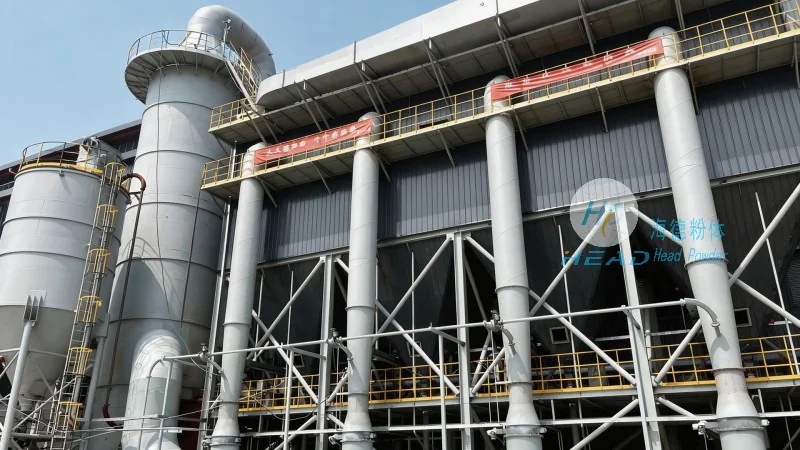
There are several types of pneumatic conveying systems commonly used in fertilizer granule handling, each with its own advantages and applications. The most common types include pressure systems, vacuum systems, and hybrid systems.
Pressure systems, also known as positive pressure systems, use compressed air to push the material through the conveying line. These systems are ideal for long-distance transport and high-capacity applications. They are particularly suitable for abrasive or sticky granules as they can maintain consistent flow and prevent blockages. Pressure systems typically operate at higher pressures, ranging from 5 to 15 bar, and can handle distances of up to several kilometers.
Vacuum systems, or negative pressure systems, use suction to draw the material into the conveying line. These systems are often used for shorter distances and when the material needs to be collected from multiple points. They are particularly useful for handling materials that are difficult to push, such as fine powders or granules with low flowability. Vacuum systems operate at lower pressures, typically below 1 bar, and are more energy-efficient for short-distance applications.
Hybrid systems combine elements of both pressure and vacuum systems. They use a combination of positive and negative pressure to transport material, offering flexibility for different applications. For example, a hybrid system might use a vacuum to draw material from a source and then use pressure to push it to the destination. This approach is useful when the conveying distance is moderate and the material has varying flow characteristics.
Key Components of a Pneumatic Conveying System for Fertilizer Granules
A pneumatic conveying system for fertilizer granules consists of several key components that work together to ensure efficient and reliable operation. These components include the air compressor, conveying line, material feeders, control valves, and dust collection systems.
The air compressor is the heart of the system, providing the necessary pressure or vacuum to move the material. The choice of compressor depends on the system type and capacity. For pressure systems, high-pressure compressors are used, while vacuum systems typically use rotary vane or roots-type vacuum pumps. The compressor must be capable of delivering the required air volume and pressure to maintain consistent material flow.
The conveying line is the main channel through which the fertilizer granules are transported. It can be made of various materials, such as stainless steel, PVC, or polyethylene, depending on the material's properties and the system's operating conditions. The line's diameter and length are critical factors that affect the system's performance. A larger diameter line reduces pressure drop and improves flow, while a longer line requires higher pressure or vacuum to maintain material movement.
Material feeders are used to introduce the fertilizer granules into the conveying line. These feeders can be screw feeders, rotary valves, or pneumatic feeders, depending on the material's characteristics. Screw feeders are commonly used for free-flowing granules, while rotary valves are suitable for cohesive or sticky materials. Pneumatic feeders are often used for fine powders or granules that require gentle handling to prevent agglomeration.
Control valves are used to regulate the flow of material and air within the system. These valves can be manual or automated, depending on the system's complexity. They allow operators to control the speed and direction of material flow, ensuring smooth operation and preventing overloading or blockages. For example, a control valve can be used to adjust the pressure or vacuum levels to maintain optimal flow rates.
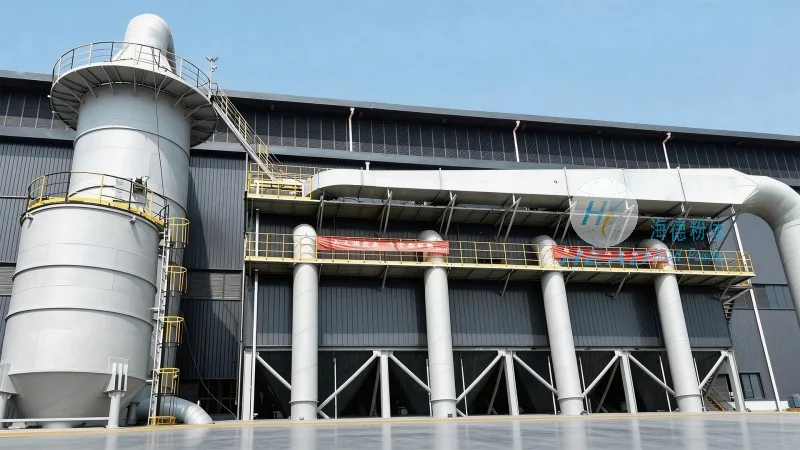
Dust collection systems are essential for maintaining a safe working environment and preventing dust accumulation. These systems typically include filters, cyclones, or baghouses that capture and remove airborne dust from the conveying line. The collected dust can then be returned to the system or disposed of properly. Effective dust control not only improves safety but also reduces the risk of material loss and contamination.
Case Study: HeadPowder's Pneumatic Conveying Solutions for Fertilizer Granules
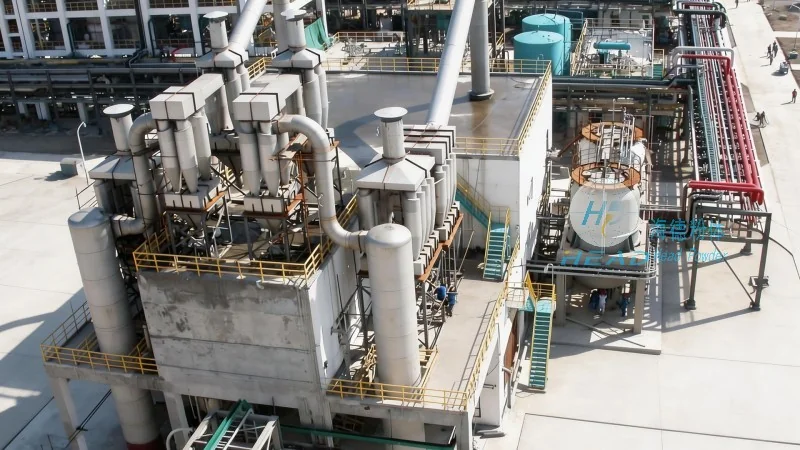
Shandong HeadPowder Engineering Co., Ltd., a leading provider of pneumatic conveying systems, specializes in designing and manufacturing customized solutions for fertilizer granule handling. With years of experience in the industry, HeadPowder understands the unique challenges of fertilizer production and has developed advanced systems that address the specific needs of their clients.
One of the key advantages of HeadPowder's systems is their ability to handle a wide range of fertilizer granules, from fine powders to large, abrasive granules. The company's engineers work closely with clients to assess their specific requirements, including material properties, production capacity, and operational constraints. This collaborative approach ensures that the final system is tailored to meet the client's exact needs, maximizing efficiency and minimizing downtime.
HeadPowder's pneumatic conveying systems are designed with durability and reliability in mind. The components are made from high-quality materials, such as stainless steel and special alloys, to withstand the harsh conditions of fertilizer handling. The systems are also equipped with advanced control systems that allow for real-time monitoring and adjustment, ensuring optimal performance. For example, the company's systems can be integrated with sensors that detect blockages or pressure changes, triggering alerts to prevent system failures.
HeadPowder's commitment to quality and customer satisfaction is evident in their after-sales support. The company provides comprehensive training to clients on how to operate and maintain their systems, ensuring long-term reliability. Additionally, HeadPowder offers regular maintenance services to keep the systems in optimal condition, reducing the risk of breakdowns and extending the system's lifespan.
Conclusion: Making the Right Choice for Your Fertilizer Granule Handling
Selecting the right pneumatic conveying system for your fertilizer granule handling process is a critical decision that can significantly impact the efficiency and profitability of your operations. By considering key factors such as material properties, system capacity, energy efficiency, and integration with existing infrastructure, you can choose a system that meets your specific needs. Whether you opt for a pressure, vacuum, or hybrid system, the right choice will ensure smooth and reliable material transport, minimize downtime, and enhance overall productivity.
When it comes to selecting a pneumatic conveying system for fertilizer granules, partnering with a reputable company like Shandong HeadPowder Engineering Co., Ltd. can provide the expertise and support needed to make the right decision. With their experience and customized solutions, HeadPowder can help you achieve optimal performance and long-term success in your fertilizer granule handling operations.




