For industrial facilities handling cement mineral powders, selecting the appropriate pneumatic conveying system is crucial for efficiency, safety, and operational reliability. The right system ensures smooth material transport from storage to processing units, minimizing downtime and optimizing production flow. This guide from Shandong HeadPowder Engineering Co., Ltd. outlines key considerations to help you make an informed decision tailored to your specific cement mineral powder handling needs.
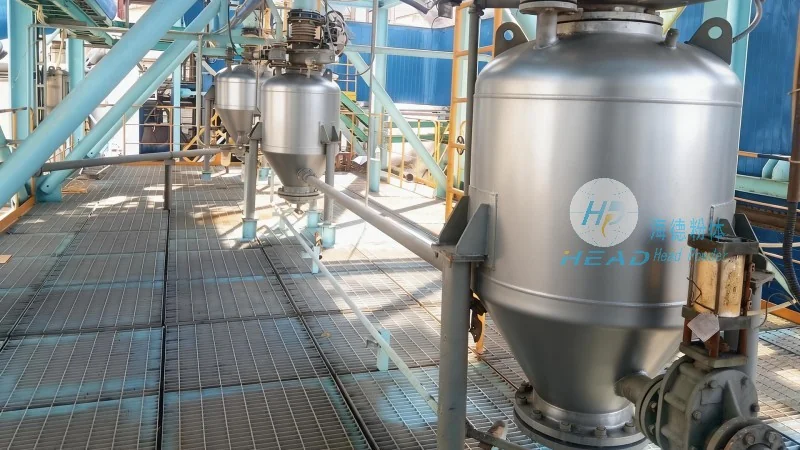
Understanding the Core Requirements of Cement Mineral Powder Handling
Before diving into system selection, it's essential to understand the unique characteristics of cement mineral powders and the operational demands of your facility. Cement mineral powders, such as limestone, clay, or iron ore, often have specific flow properties, particle size distributions, and moisture content that influence how they behave during transport. Factors like bulk density, reactivity, and potential for dust generation must be carefully evaluated. Additionally, the distance between the source and destination, the required throughput capacity, and the need for material containment or environmental control are critical parameters that shape the system design. By thoroughly analyzing these requirements, you can align the system's capabilities with your operational goals, ensuring optimal performance and cost-effectiveness.
Key Factors in Selecting a Pneumatic Conveying System for Cement Mineral Powders
When choosing a pneumatic conveying system for cement mineral powders, several key factors must be considered to ensure compatibility with your material and process. The first consideration is the type of system based on the conveying principle. Positive pressure systems, where air is forced through the material, are suitable for long-distance or high-capacity applications, while negative pressure (vacuum) systems are ideal for short distances or when material needs to be drawn from multiple sources. The choice depends on factors like the distance between the source and destination, the required throughput, and the need to handle dust or prevent contamination. Another critical factor is the system's ability to handle the specific properties of cement mineral powders. For example, systems with robust filtration and cleaning mechanisms are essential to prevent clogging and maintain air quality, especially when dealing with fine or abrasive particles. Material compatibility with the system's components, such as the hopper, ducts, and valves, is also vital to avoid corrosion or degradation over time. Additionally, the system's scalability and adaptability to future changes in production volume or material types should be evaluated to ensure long-term investment value.
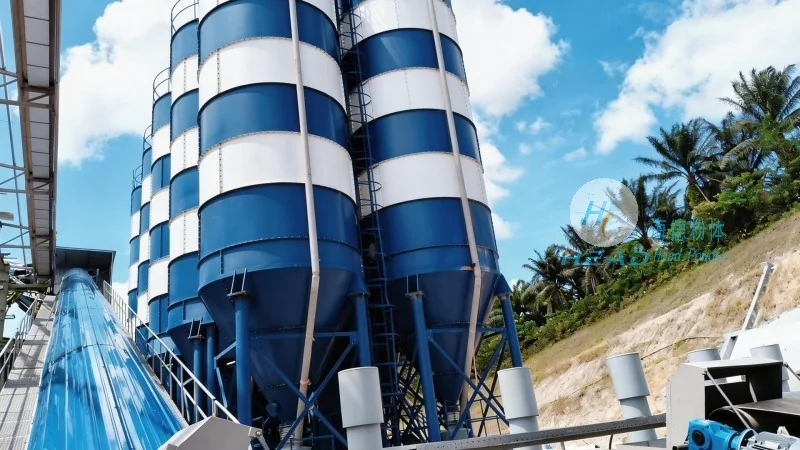
Assessing System Components and Technology for Optimal Performance
The performance of a pneumatic conveying system for cement mineral powders heavily relies on its key components and the technology employed. The hopper design is a critical component, as it must effectively feed material into the system without bridging or segregation. A well-designed hopper with proper aeration and flow control ensures consistent material flow, preventing blockages and maintaining system efficiency. The ductwork and piping system must be sized appropriately to handle the material's flow characteristics and pressure requirements. Flexible or rigid ducts may be used depending on the layout and space constraints of the facility. Valves, such as rotary airlocks or slide gates, play a crucial role in controlling material flow and preventing backflow or air leakage. These components must be durable and compatible with the material to avoid wear and tear or contamination. The air compressor or vacuum pump system is another key element, as it provides the necessary pressure or suction to move the material. The choice of compressor type, such as rotary lobe or screw compressors, depends on factors like the required pressure, flow rate, and energy efficiency. Advanced technologies, such as variable frequency drives (VFDs) and intelligent control systems, can enhance system performance by optimizing air usage and reducing energy consumption. These technologies help maintain consistent material flow, minimize downtime, and improve overall operational efficiency.
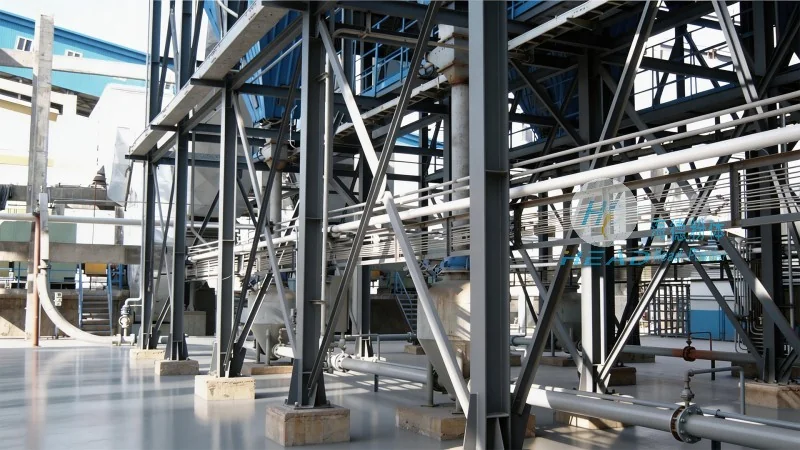
Ensuring Safety and Compliance in Cement Mineral Powder Handling
Handling cement mineral powders involves specific safety and regulatory considerations that must be addressed when selecting a pneumatic conveying system. Dust control is a primary concern, as cement powders can create hazardous dust clouds that pose health risks and fire hazards. The system must incorporate effective dust collection and filtration systems to capture and contain dust, ensuring compliance with environmental regulations and workplace safety standards. Explosion-proof designs may be required in certain applications, especially when handling combustible materials or in environments with high dust concentrations. The system's components must be designed to prevent dust accumulation and provide adequate ventilation to minimize the risk of explosions. Additionally, the system should include safety features such as pressure relief valves, emergency shut-off mechanisms, and monitoring systems to detect and respond to potential issues promptly. Compliance with local and international standards, such as OSHA or EU regulations, is essential to ensure the system meets safety and environmental requirements. By prioritizing safety in the system design, you can protect your personnel, equipment, and the environment while maintaining operational efficiency.
Long-Term Benefits and Cost-Effectiveness of the Right System
Investing in the right pneumatic conveying system for cement mineral powders offers significant long-term benefits and cost savings. A well-designed system reduces downtime by minimizing maintenance and repair needs, as it is built to handle the specific demands of cement mineral powders. The system's durability and reliability ensure consistent material flow, preventing production bottlenecks and maintaining operational continuity. Energy efficiency is another key advantage, as modern systems use advanced technologies to optimize air usage and reduce energy consumption. This not only lowers operational costs but also contributes to environmental sustainability. The system's scalability allows for future expansion or modifications to accommodate changes in production volume or material types, providing long-term investment value. Additionally, the system's ability to handle dust and maintain air quality reduces the risk of equipment damage or contamination, extending the lifespan of components and reducing replacement costs. By choosing a system that aligns with your operational needs and material characteristics, you can achieve optimal performance, lower maintenance costs, and improve overall profitability.




