Phenolic resin powders are widely used in various industrial applications due to their excellent mechanical properties, thermal stability, and chemical resistance. However, the handling and transportation of these powders require specialized equipment to ensure efficiency, safety, and product integrity. A well-designed pneumatic conveying system is crucial for managing the unique characteristics of phenolic resin powders, such as their fine particle size, potential for static charge accumulation, and varying flowability. This article provides guidance on selecting the appropriate pneumatic conveying system for your phenolic resin powder handling process, considering key factors that impact system performance and operational costs.
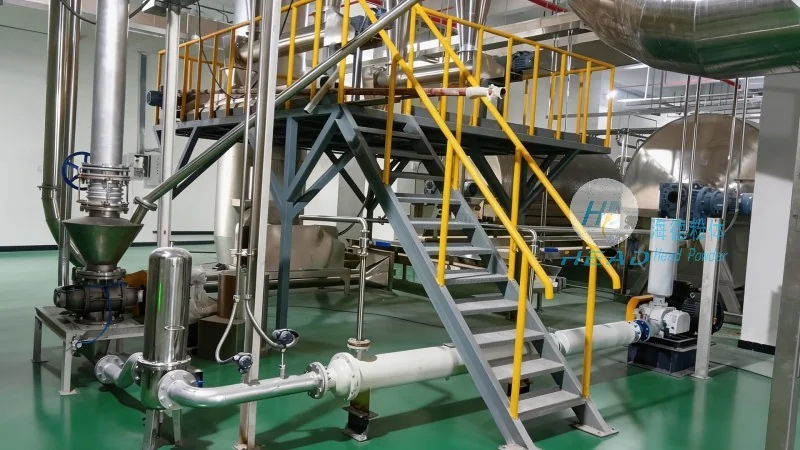
Understanding the Importance of Selecting the Right Pneumatic Conveying System
Choosing the right pneumatic conveying system for phenolic resin powders is essential to maintain product quality, minimize downtime, and optimize operational efficiency. Phenolic resins are often used in applications like automotive parts, electrical components, and construction materials, where consistent powder quality is critical. Improper handling can lead to agglomeration, dust generation, or contamination, which can affect the final product's performance. Therefore, a system that matches the material's physical and chemical properties is vital.
About HeadPowder: Your Partner in Pneumatic Conveying Solutions
HeadPowder, a leading provider of engineering solutions for material handling, specializes in designing and manufacturing pneumatic conveying systems tailored to the needs of industrial applications. With a focus on precision and reliability, HeadPowder's systems are engineered to handle the unique challenges of phenolic resin powders. The company is based in Shandong, China, and serves clients globally with customized solutions that enhance process efficiency and reduce operational costs. By leveraging years of experience in material handling technology, HeadPowder ensures that each system is optimized for the specific requirements of the phenolic resin powder handling process.
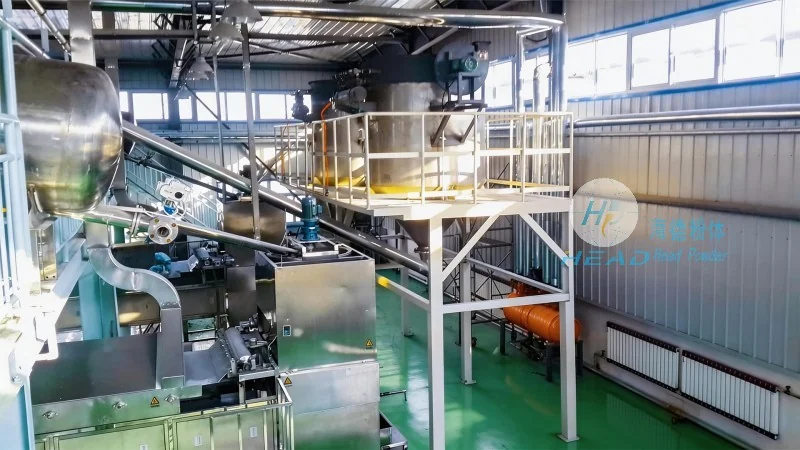
Key Factors to Consider When Selecting a Pneumatic Conveying System
The selection of a pneumatic conveying system for phenolic resin powders depends on several critical factors. First, the particle size and density of the resin powder influence the system's design. Fine powders may require systems with higher air velocities to prevent clogging, while coarser powders might benefit from lower velocities to reduce energy consumption. The flowability of the powder, which can be affected by moisture content or agglomeration, also plays a role in determining the appropriate system type. Additionally, the distance the powder needs to be transported and the number of transfer points in the process will impact the system's capacity and complexity.
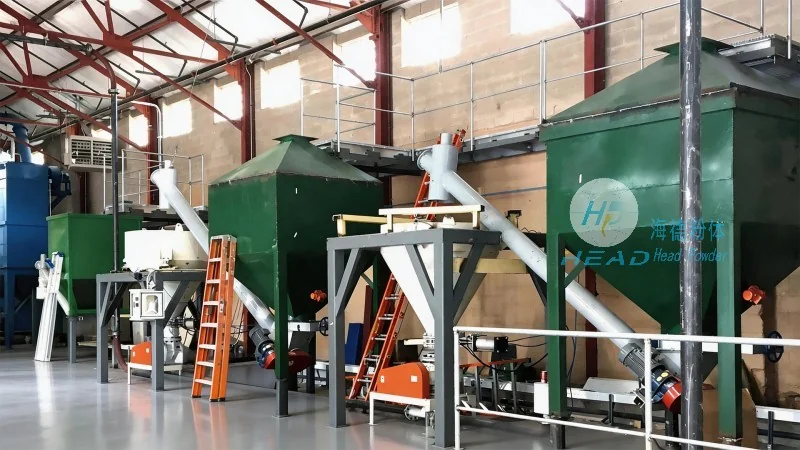
Types of Pneumatic Conveying Systems for Phenolic Resin Powders
There are primarily two types of pneumatic conveying systems used for phenolic resin powders: positive pressure and negative pressure systems. Positive pressure systems, such as pressure vessels or blowers, push the material through the system using compressed air, making them suitable for long-distance or multi-point transfers. These systems are often preferred for their ability to handle abrasive or corrosive materials, which is relevant for phenolic resins that may have additives or coatings. Negative pressure systems, on the other hand, use vacuum to draw material into the system, which is ideal for short-distance transfers or when the material needs to be collected from multiple sources. The choice between these systems depends on the specific application requirements, including the need for dust containment and the environmental regulations in the facility.
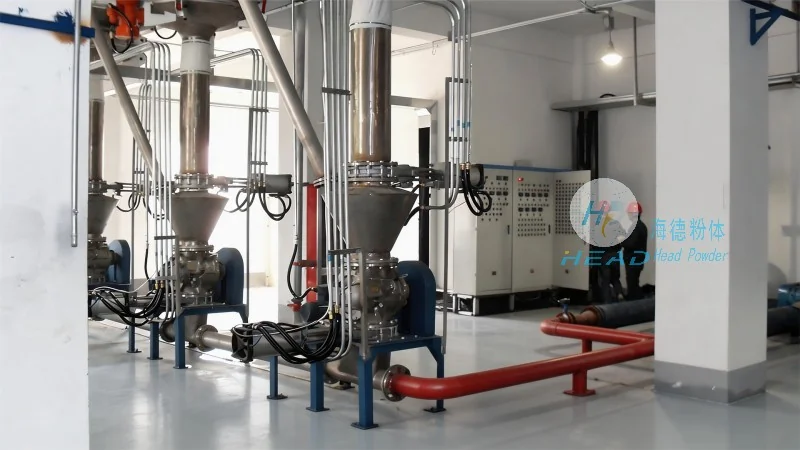
Design Considerations for Efficient Phenolic Resin Powder Handling
When designing a pneumatic conveying system for phenolic resin powders, several design considerations are essential to ensure optimal performance. The system must be equipped with appropriate filters and cyclones to prevent dust from escaping into the environment, which is crucial for maintaining workplace safety and compliance with environmental regulations. Additionally, the use of anti-static materials and grounding systems is necessary to prevent static charge buildup, which can cause powder explosions or electrostatic discharge issues. The system's components, such as pipes, valves, and pumps, should be made of materials resistant to the chemical properties of phenolic resins to avoid corrosion or degradation over time. Regular maintenance and cleaning protocols are also important to prevent clogging and ensure consistent performance.
Conclusion: Optimizing Your Phenolic Resin Powder Handling Process
Choosing the right pneumatic conveying system for your phenolic resin powder handling process is a critical decision that impacts product quality, operational efficiency, and safety. By considering factors such as particle size, flowability, and transfer distance, and selecting the appropriate system type (positive or negative pressure), you can ensure that your material handling process is optimized. HeadPowder, with its expertise in engineering customized pneumatic conveying solutions, can help you achieve the best results for your phenolic resin powder applications. Whether you need a system for short-distance transfers or complex multi-point operations, HeadPowder's solutions are designed to meet the unique challenges of phenolic resin powders, providing reliable and efficient material handling for your industrial processes.




