HeadPowder, a leading provider of material handling solutions, specializes in the design and implementation of efficient polypropylene powder conveying systems. This article explores the fundamental principles behind these systems and highlights key application scenarios where they are widely utilized.
Understanding the Core Principles of Polypropylene Powder Conveying
Polypropylene (PP) is a widely used thermoplastic polymer in various industrial applications, and its handling often requires specialized equipment to ensure safety, efficiency, and product integrity. The primary goal of polypropylene powder conveying is to transport bulk PP powder from storage to processing units, such as extruders or mixers, with minimal loss and contamination. Several conveying methods are employed, each with distinct advantages depending on the specific requirements of the operation.
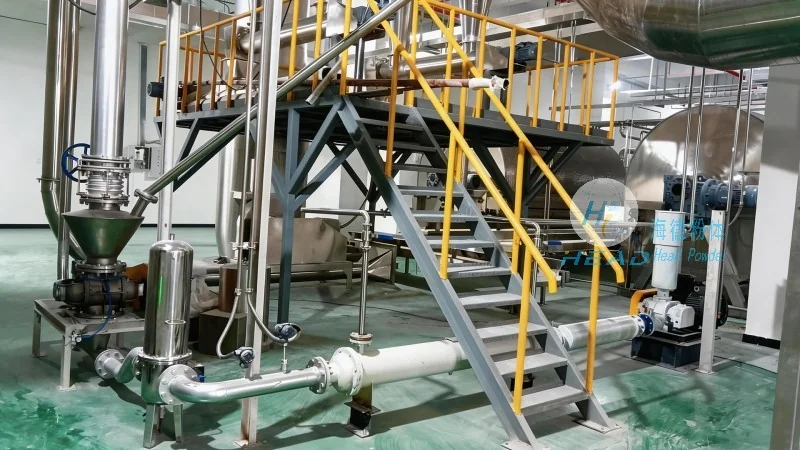
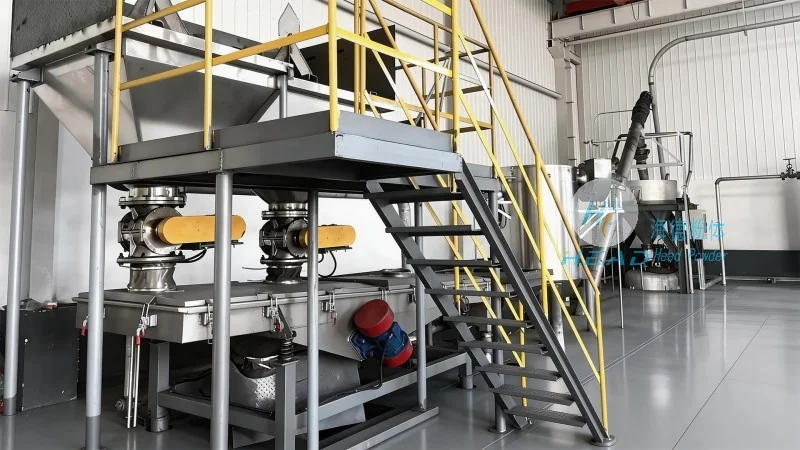
One of the most common techniques is air-assisted conveying, also known as pneumatic conveying. This method uses compressed air to create a flow that lifts and transports the powder particles through a pipeline. The system typically consists of a hopper, a rotary valve, a conveying line, and a receiver. The rotary valve controls the flow of powder into the line, while the air flow ensures the particles are carried along. Air-assisted conveying is particularly effective for polypropylene due to its relatively low density and fine particle size, which allows for smooth movement through the pipeline. However, it requires careful management of air pressure and flow rates to prevent particle degradation or blockages.
Another widely used approach is mechanical conveying, which relies on mechanical components like screw conveyors or belt conveyors to move the powder. Screw conveyors, for instance, use a rotating screw within a tube to push the powder forward. This method is ideal for applications where the powder needs to be elevated or moved horizontally over short to medium distances. Mechanical conveyors are generally more cost-effective and easier to maintain compared to pneumatic systems, making them a popular choice in many industrial settings. However, they may not be suitable for long-distance or high-volume applications, as the mechanical components can experience wear and tear over time.
Key Application Scenarios for Polypropylene Powder Conveying
Polypropylene powder conveying systems are integral to numerous industrial processes across different sectors. Understanding the specific requirements of each application helps in selecting the most appropriate conveying method and equipment. Here are some of the primary scenarios where these systems are commonly employed:
First, in the plastic manufacturing industry, polypropylene powder is frequently used as a raw material for extrusion, injection molding, and blow molding processes. The conveying systems ensure a consistent and continuous supply of PP powder to the processing machinery, which is crucial for maintaining product quality and production efficiency. For example, in an extrusion line, the powder is conveyed from storage silos to the extruder hopper, where it is melted and processed into plastic products. The efficiency of the conveying system directly impacts the overall throughput and product consistency.
Second, in the chemical and pharmaceutical sectors, polypropylene is used in the production of various compounds and formulations. The need for clean and hygienic conveying systems is paramount in these industries to prevent contamination and ensure compliance with regulatory standards. Air-assisted conveying systems, equipped with filters and dust collection units, are often preferred to maintain a sterile environment and minimize particle loss. These systems are designed to handle fine powders while ensuring that no dust is released into the surrounding air, protecting both the product and the workers.
Third, in the construction materials industry, polypropylene is used as an additive in concrete and other building materials. The conveying of polypropylene powder to mixing plants is essential for achieving the desired properties in the final product. Mechanical conveyors are often used in these applications due to their robustness and ability to handle abrasive materials. The systems are typically designed to handle large volumes of powder and are equipped with wear-resistant components to extend their operational life.
HeadPowder's Expertise in Polypropylene Powder Conveying Solutions
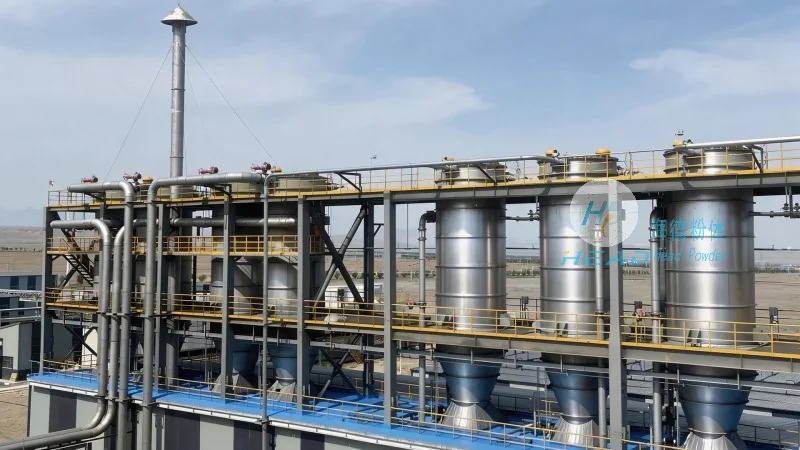
Shandong HeadPowder Engineering Co., Ltd., based in Shandong, China, is a trusted partner in providing customized polypropylene powder conveying solutions. The company leverages its extensive experience and technical expertise to design systems that meet the unique needs of each client. By combining advanced engineering principles with practical application knowledge, HeadPowder ensures that its conveying systems are not only efficient but also reliable and cost-effective.
HeadPowder's team of engineers works closely with clients to assess their specific requirements, including the type and quantity of polypropylene powder, the distance and elevation changes, and the environmental conditions. This comprehensive approach allows for the selection of the most suitable conveying method, whether it is pneumatic or mechanical. The company also provides installation, commissioning, and maintenance services to ensure that the systems operate at peak performance throughout their lifecycle.
Furthermore, HeadPowder adheres to international quality standards and uses high-quality materials in the construction of its conveying systems. This commitment to quality ensures that the equipment is durable, long-lasting, and capable of handling the demands of industrial operations. The company's focus on customer satisfaction and technical excellence has made it a preferred choice for businesses seeking reliable polypropylene powder conveying solutions.




