Phosphate iron powder, a critical material in modern industrial applications, requires efficient and reliable conveying systems to ensure smooth production processes. The principles and working scene characteristics of phosphate iron powder conveying are essential for optimizing material handling in various industries. This article explores the core principles behind phosphate iron powder conveying and highlights the key characteristics of its application scenarios.
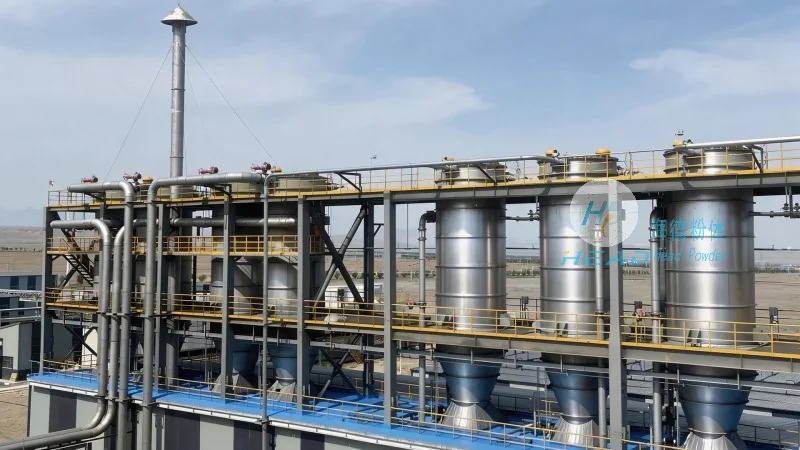
Understanding the Core Principles of Phosphate Iron Powder Conveying
Phosphate iron powder conveying relies on several fundamental principles to transport the material from one location to another. The primary methods include gravity-based systems, pneumatic conveying, and mechanical conveying. Gravity systems utilize the natural weight of the powder to move it through inclined chutes or hoppers, making them suitable for short-distance and low-volume applications. Pneumatic conveying, on the other hand, uses air pressure to transport the powder in a sealed system, offering greater flexibility and control over the conveying process. Mechanical conveying, such as screw conveyors or belt conveyors, employs mechanical components to move the powder, providing consistent and reliable transport for larger volumes.
Each conveying method has its own advantages and limitations, which are determined by factors like the powder's properties, the required conveying distance, and the production environment. For instance, phosphate iron powder, with its fine particle size and potential for static charge, may require specialized equipment to prevent clogging and ensure uniform flow. The choice of conveying system is critical to maintaining the quality and integrity of the powder during transport.
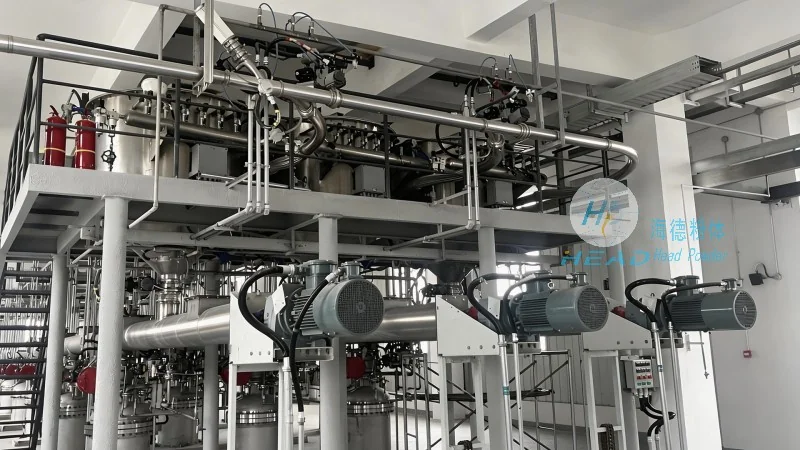
Key Working Scene Characteristics of Phosphate Iron Powder Conveying
The working scene characteristics of phosphate iron powder conveying vary significantly based on the specific industrial application. In battery manufacturing, for example, the conveying process must meet stringent quality standards to ensure the purity and consistency of the powder, which directly impacts the performance of the final battery products. The working environment in such settings often involves high-volume production lines, requiring efficient and continuous conveying systems to maintain production throughput.
In chemical processing plants, phosphate iron powder is used as a raw material for various chemical reactions. The conveying system in these scenarios must be capable of handling abrasive and potentially reactive powders, while also ensuring safety measures are in place to prevent dust explosions or material contamination. The working scene may include multiple stages of processing, where the powder is transferred between reactors, storage tanks, and processing units, necessitating a flexible and adaptable conveying solution.
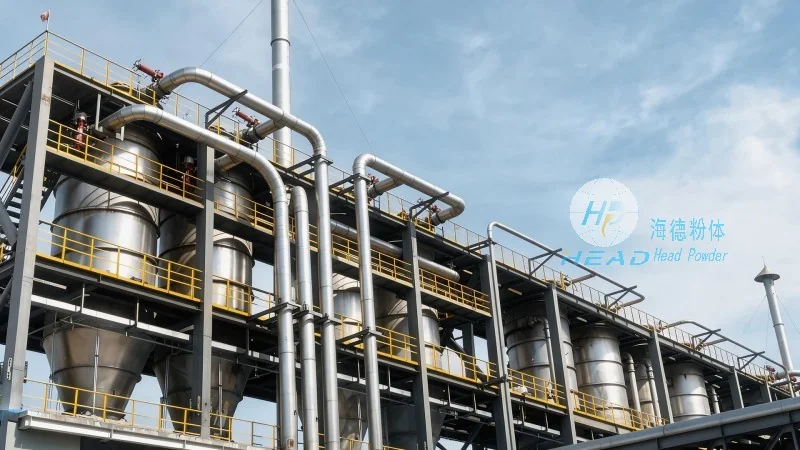
Another important working scene is in the mining and mineral processing industry, where phosphate iron ore is extracted and processed into powder form. The conveying systems in these operations must be robust enough to handle large volumes of raw ore and withstand harsh environmental conditions, such as dust and moisture. The working environment often involves outdoor or semi-outdoor facilities, requiring durable equipment that can operate under challenging conditions.
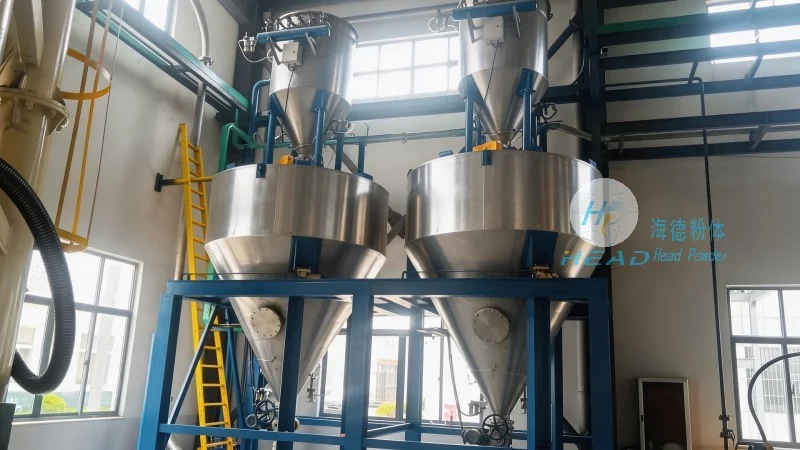
Application of Shandong HeadPowder Engineering Co., Ltd. in Phosphate Iron Powder Conveying
Shandong HeadPowder Engineering Co., Ltd., a leading provider of material handling solutions, specializes in designing and implementing customized conveying systems for phosphate iron powder applications. With a deep understanding of the material's properties and the diverse needs of industrial clients, the company offers tailored solutions that optimize efficiency and reliability. The company's expertise lies in integrating advanced technologies, such as automated control systems and real-time monitoring, to enhance the performance of conveying processes.
Shandong HeadPowder Engineering Co., Ltd. operates from China, Shandong, and serves a wide range of industries, including battery manufacturing, chemical processing, and mining. The company's solutions are designed to meet the specific requirements of each application, ensuring that the conveying systems are both effective and cost-efficient. By leveraging their technical knowledge and industry experience, the company helps clients improve production efficiency, reduce material loss, and enhance overall operational performance.




