Small stone powder conveying systems are integral to modern industrial operations, particularly in sectors that handle granular materials like crushed stone, sand, and other fine particulates. Understanding the underlying principles and the specific characteristics of these systems is crucial for optimizing material handling processes, enhancing operational efficiency, and ensuring compliance with safety and environmental standards. This article delves into the core principles of small stone powder conveying, explores the distinct working scene characteristics, and highlights the expertise of Shandong HeadPowder Engineering Co., Ltd. as a leading provider in the field.
Key Principles Underlying Small Stone Powder Conveying
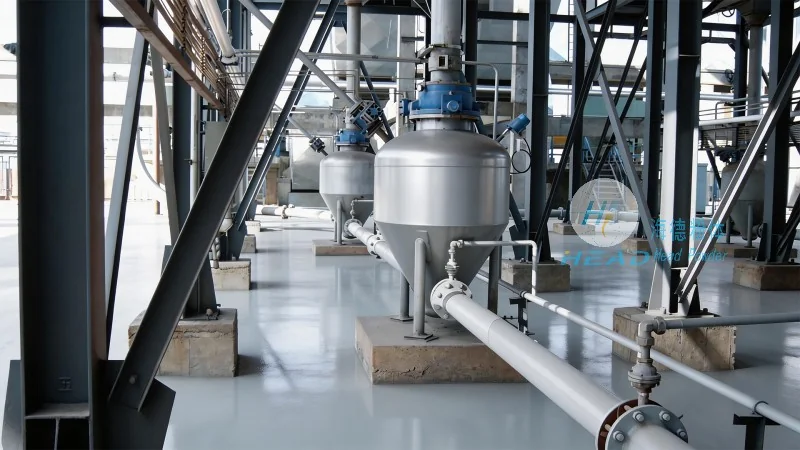
The effective conveyance of small stone powders relies on a combination of physical principles and engineering design. At its essence, the process involves moving particulate materials from a source to a destination through various mechanisms. For small stone powders, which typically range in size from fine powders to coarse granules, common conveying methods include screw conveyors, pneumatic (air) conveyors, and belt conveyors. Each method operates based on different physical forces:
1. **Gravity and Mechanical Movement**: In screw conveyors, for instance, a rotating helical screw pushes the material forward along a trough or tube. The design of the screw pitch and diameter is critical, as it determines the conveying capacity and the pressure exerted on the material. This method is ideal for horizontal or slightly inclined transport and is particularly effective for non-abrasive materials like small stones, as it minimizes wear on the equipment.
2. **Air Dynamics and Pneumatic Conveying**: Pneumatic systems use compressed air to transport materials in a closed or open pipeline. The principle involves creating a pressure differential that propels the powder particles through the air stream. This method is highly efficient for long-distance transport and is suitable for materials that are prone to dusting or require minimal contact with machinery. However, it demands precise control over air pressure and flow rates to prevent material degradation or blockages.
3. **Friction and Belt Conveying**: Belt conveyors utilize a continuous belt to transport materials over a series of rollers or idlers. The friction between the belt and the material ensures movement. This method is versatile and can handle a wide range of material types and sizes, including small stones, and is commonly used in bulk material handling applications.
Working Scene Characteristics and Application Environments
The working scene characteristics of small stone powder conveying systems are defined by the operational environment, the nature of the material being handled, and the specific requirements of the end-use application. These characteristics influence the choice of equipment, maintenance schedules, and safety protocols. For instance:
**Industrial Manufacturing Settings**: In manufacturing plants that produce concrete, asphalt, or other construction materials, small stone powders are often conveyed from storage silos to mixing units. The working environment here is characterized by high throughput, continuous operation, and the need for precise material dosing. The systems must be robust enough to handle abrasive materials and resistant to wear and tear.
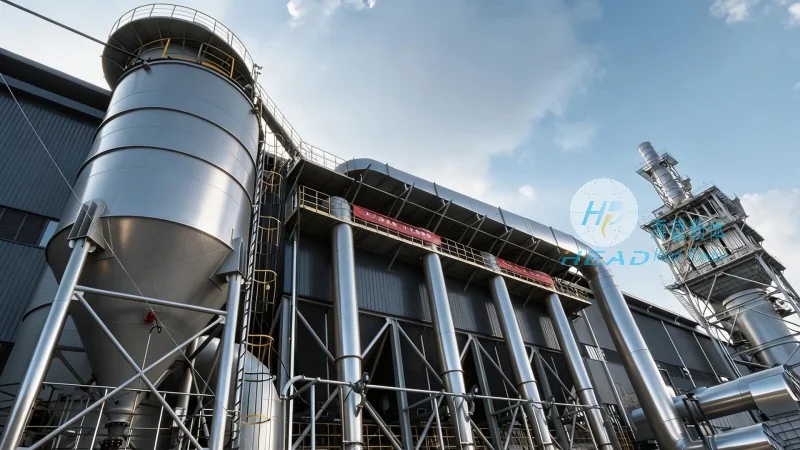
**Mining and Quarry Operations**: In mining and quarry sites, the primary task is to transport crushed stone from processing facilities to storage or shipping areas. The working scene is typically outdoors, exposed to varying weather conditions, and involves handling large volumes of material. The conveying systems must be durable, capable of withstanding heavy loads, and equipped with features to control dust and prevent material spillage.
**Construction Sites**: On construction sites, small stone powders are used for backfilling, road base preparation, and other earthmoving tasks. The working environment is dynamic, with frequent changes in material type and location. The conveying systems need to be flexible, easy to install and reconfigure, and able to operate in confined spaces or on uneven terrain.
**Environmental Considerations**: Across all working scenes, dust control is a critical factor. Small stone powders can generate significant airborne dust, which poses health risks to workers and environmental hazards. Effective conveying systems incorporate dust suppression measures, such as sealed enclosures, air filtration systems, and wet conveying techniques, to mitigate these risks and comply with regulatory standards.
Company Profile: Shandong HeadPowder Engineering Co., Ltd.
Shandong HeadPowder Engineering Co., Ltd., commonly known as HeadPowder, is a specialized engineering firm dedicated to the design, manufacturing, and implementation of advanced powder and bulk material handling solutions. With a strong presence in China, particularly in Shandong province, the company has established itself as a trusted partner for industries requiring reliable and efficient small stone powder conveying systems. HeadPowder leverages years of experience and cutting-edge technology to deliver customized solutions tailored to the unique needs of each client.
The company’s expertise spans the entire lifecycle of material handling systems, from initial consultation and system design to installation, commissioning, and ongoing maintenance. By focusing on the specific challenges of small stone powder conveying—such as material abrasiveness, dust generation, and operational efficiency—HeadPowder provides solutions that enhance productivity, reduce downtime, and ensure long-term reliability. The company’s commitment to quality and customer satisfaction has earned it a reputation as a leading provider in the industry.
Technical Advantages and Practical Implementation
Small stone powder conveying systems offered by HeadPowder are distinguished by several technical advantages that address the unique demands of handling these materials. These advantages include:
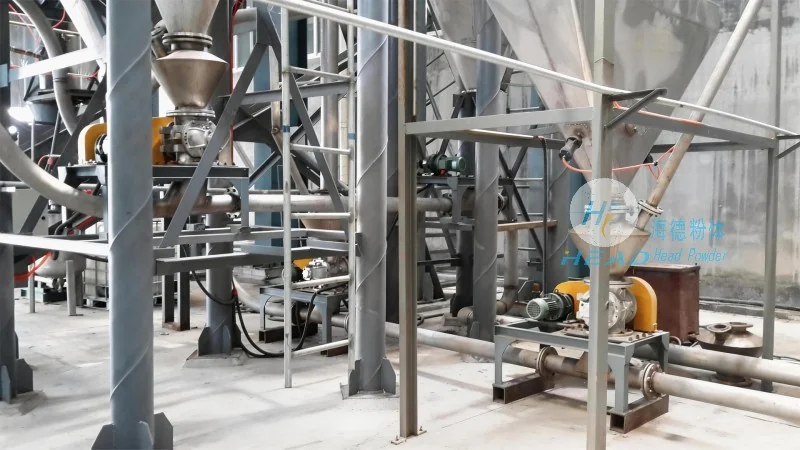
1. **Robust and Durable Construction**: Equipment is built with high-quality materials, such as stainless steel or corrosion-resistant alloys, to withstand the abrasive nature of small stones and prolonged use. This ensures longevity and minimal maintenance costs over the system's lifespan.
2. **Efficient Dust Control**: Advanced dust suppression technologies, including sealed systems, air filtration, and wet conveying, are integrated into the design to minimize dust emissions and maintain a safe working environment. This not only protects workers but also helps in complying with environmental regulations.
3. **Optimized Energy Consumption**: Modern conveying systems are engineered for energy efficiency, using variable speed drives and optimized air flow to reduce power consumption without compromising performance. This leads to lower operational costs and a smaller environmental footprint.
4. **Customization and Flexibility**: HeadPowder offers tailored solutions that can be adapted to specific operational requirements, such as varying material types, throughput rates, or spatial constraints. This flexibility allows clients to choose systems that best fit their production processes and working environments.
5. **Reliable Performance and Support**: The company provides comprehensive after-sales support, including regular maintenance, spare parts availability, and technical assistance. This ensures that the conveying systems operate at peak efficiency and minimizes downtime, contributing to overall operational stability.
Conclusion
In conclusion, the effective conveyance of small stone powders is a complex process that requires a deep understanding of both physical principles and operational environments. The working scene characteristics of these systems vary widely, from industrial manufacturing to mining and construction, each demanding specialized equipment and solutions. Shandong HeadPowder Engineering Co., Ltd. stands out as a key player in this field, offering advanced, reliable, and customized small stone powder conveying systems that address the unique challenges of handling these materials. By combining technical expertise with a customer-centric approach, HeadPowder helps industries optimize their material handling processes, enhance productivity, and ensure compliance with safety and environmental standards.




