Understanding the operational principles and application scenarios of sodium bicarbonate powder conveying lines is crucial for industries that rely on efficient material handling. This article provides an in-depth look at the technology behind these systems, focusing on how they function and where they are typically employed.
Introduction to Sodium Bicarbonate Powder Conveying Lines
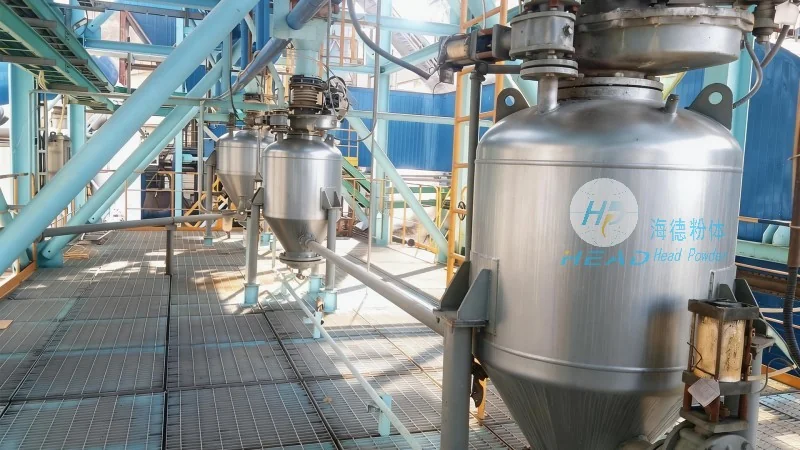
Sodium bicarbonate, commonly known as baking soda, is a widely used chemical in various industries including food processing, pharmaceuticals, and chemical manufacturing. The efficient transport of this fine powder from storage to processing units is essential for maintaining production efficiency and product quality. A specialized conveying line designed for sodium bicarbonate ensures that the material is handled gently, preventing agglomeration and maintaining its purity. The system typically incorporates components such as hoppers, feeders, conveying mechanisms, and control systems to achieve seamless material transfer.
The Core Principles of Operation
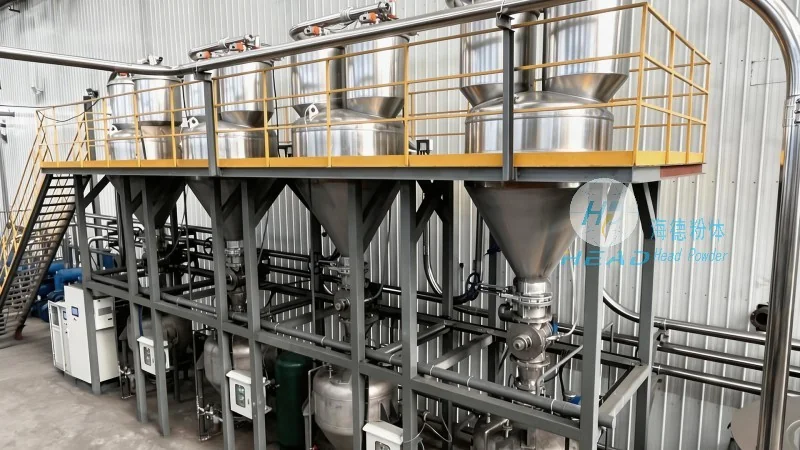
The operation of a sodium bicarbonate powder conveying line is based on several key principles that ensure reliable and consistent performance. The primary mechanism often involves a combination of gravity and mechanical force, with some systems utilizing pneumatic or air-assisted conveying to handle fine powders more effectively. The conveying line is designed to minimize particle breakage and maintain the integrity of the sodium bicarbonate, which is critical for applications where the powder's properties are vital. The system starts with a storage hopper that holds the raw material, equipped with a level indicator and a discharge valve to regulate the flow. A feeder, such as a rotary valve or a screw feeder, then controls the amount of powder released into the conveying line. The conveying mechanism, which could be a screw conveyor, a pneumatic duct, or a combination of both, transports the powder to the destination point, such as a mixer or a packaging unit. The entire process is monitored by a control panel that adjusts the speed of the feeder and the conveying speed based on real-time conditions, ensuring optimal performance.
Key Components and Their Functions
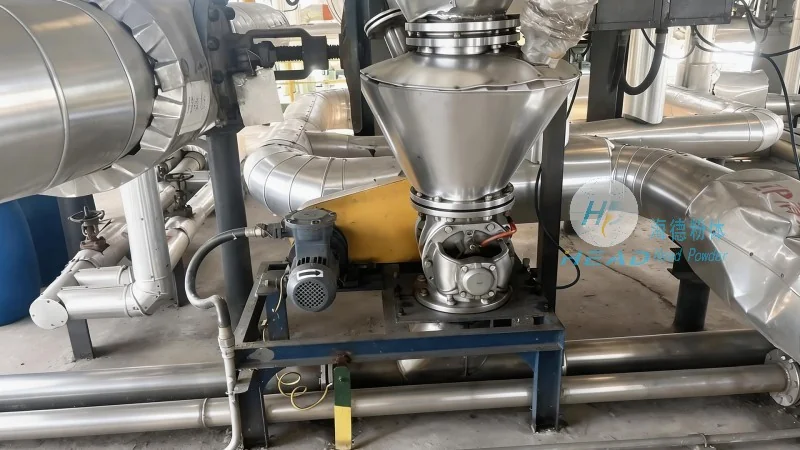
Several critical components make up a sodium bicarbonate powder conveying line, each playing a vital role in the overall operation. The storage hopper is the initial point where the material is collected and stored. It is designed with a sloped bottom to facilitate smooth discharge and is equipped with a dust collection system to prevent airborne particles. The feeder is responsible for controlling the flow rate of the powder, ensuring a consistent and controlled supply to the conveying line. This component is crucial for preventing overfeeding or underfeeding, which can lead to system inefficiencies or material blockages. The conveying mechanism, whether it is a screw conveyor or a pneumatic system, is the heart of the line. Screw conveyors use rotating screws to move the powder along a tube, while pneumatic systems use compressed air to transport the powder through ducts. The choice of mechanism depends on factors such as the particle size, moisture content, and the distance the powder needs to travel. The destination unit, such as a mixer or a packaging machine, receives the powder from the conveying line and processes it further. The control system, which includes sensors and a programmable logic controller (PLC), monitors the entire process and adjusts parameters as needed to maintain optimal performance.
Working Scene Characteristics and Applications
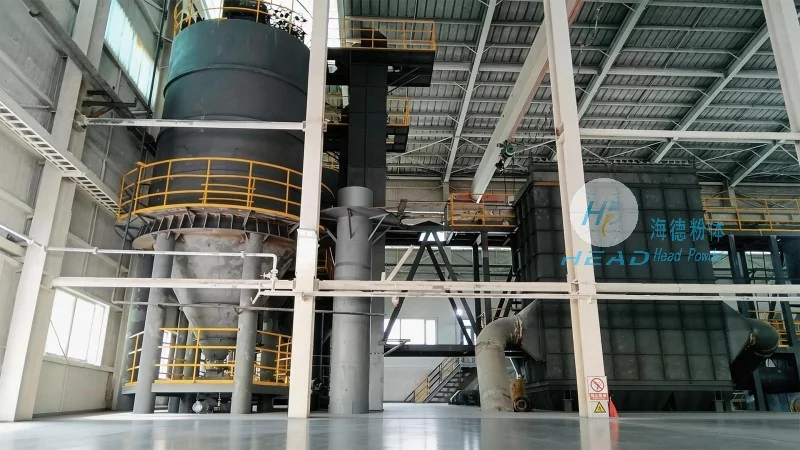
The working scene characteristics of sodium bicarbonate powder conveying lines vary based on the specific industry and application. In food processing, for example, the system must be designed to meet sanitary standards, with components that are easy to clean and maintain. The conveying line is often integrated with other processing equipment, such as mixers and ovens, to ensure a seamless production flow. In pharmaceutical manufacturing, the system must adhere to strict quality control measures, with features like dust filtration and particle size monitoring to ensure the powder meets regulatory requirements. The industrial chemical sector may use the conveying line for bulk handling of sodium bicarbonate, where large volumes need to be transported efficiently. The system's design may include larger hoppers and more robust conveying mechanisms to handle higher throughput. In all these scenarios, the conveying line's ability to handle fine powders without agglomeration or loss of quality is paramount. The working environment may also vary, with some systems operating in clean rooms or other controlled environments to prevent contamination. The flexibility of the conveying line to adapt to different production needs is another key characteristic, allowing it to be integrated into existing production lines or used as a standalone unit.
Advantages and Benefits of Using a Specialized Conveying Line
Implementing a specialized sodium bicarbonate powder conveying line offers several advantages that enhance operational efficiency and product quality. One of the primary benefits is the reduction in labor costs, as the system automates the material handling process, eliminating the need for manual loading and unloading. This not only improves safety by reducing the risk of accidents but also increases productivity by allowing workers to focus on other tasks. The system also minimizes material loss, as it prevents spillage and dust emissions, which is crucial for maintaining product purity and meeting environmental regulations. Another advantage is the improved consistency in the material flow, which leads to more uniform product quality. The automated control system ensures that the flow rate and conveying speed are maintained at optimal levels, reducing variations that can affect the final product. The system's design also allows for easy maintenance and cleaning, which is essential for industries where hygiene is a top priority. The use of high-quality materials in the construction of the conveying line ensures durability and long-term performance, reducing the need for frequent repairs or replacements.
Conclusion
In conclusion, the sodium bicarbonate powder conveying line is a critical component in industries that handle fine powders. Its operation is based on a combination of mechanical and pneumatic principles, designed to handle the material gently and efficiently. The system's components, including hoppers, feeders, and conveying mechanisms, work together to ensure seamless material transfer. The working scene characteristics of these lines vary based on the specific application, from food processing to pharmaceutical manufacturing, each requiring tailored solutions to meet industry standards. The advantages of using a specialized conveying line include increased efficiency, improved product quality, and reduced labor costs. As industries continue to demand higher productivity and product consistency, the importance of reliable powder conveying systems will only grow. For companies in need of such systems, partnering with a reputable manufacturer like Shandong HeadPowder Engineering Co., Ltd. can ensure the delivery of a high-quality, customized solution that meets their specific needs.




