HeadPowder, a leading engineering firm based in Shandong, China, specializes in the design and implementation of efficient cement clinker powder conveying systems. This article delves into the fundamental principles behind these systems and explores the key characteristics of their operational environments, providing a comprehensive overview for industry professionals seeking to understand or optimize such processes.
The Core Principle of Cement Clinker Powder Conveying
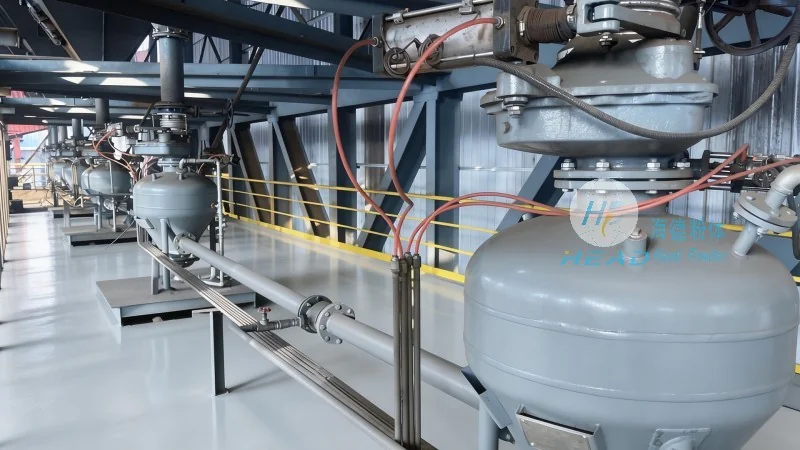
The primary principle of cement clinker powder conveying lines revolves around the use of pneumatic or mechanical methods to transport fine, dry powders like cement clinker from one location to another. In pneumatic systems, compressed air or gas is used to create a flow that propels the powder through pipelines. This approach is particularly effective for handling materials that are prone to dust generation or require minimal contact with equipment. The mechanical method, on the other hand, employs screw conveyors, belt conveyors, or other machinery to physically move the powder, often with the assistance of gravity or external force. Both methods aim to ensure reliable, continuous, and safe transportation of cement clinker, which is critical for maintaining production efficiency in cement manufacturing plants.
Key Working Scene Characteristics
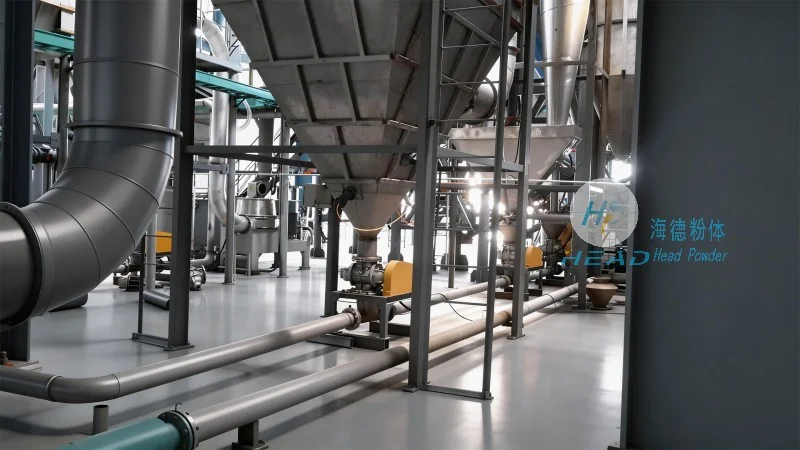
The operational environments for cement clinker powder conveying lines exhibit several distinct characteristics that influence system design and performance. First, the material itself—cement clinker—is typically a fine, abrasive powder with high density, which can lead to wear on conveyor components if not properly managed. This necessitates the use of durable materials, such as stainless steel or specialized coatings, in the construction of pipelines and equipment. Second, the scale of operations often involves large volumes of material, requiring high-capacity conveying systems that can handle continuous flow without interruption. Third, the need for dust control is paramount, as cement clinker is a fine powder that can cause respiratory issues and environmental pollution if not contained effectively. Therefore, systems are equipped with dust collection and filtration mechanisms to ensure compliance with safety and environmental regulations. Additionally, the systems must be designed for easy maintenance and cleaning, as the abrasive nature of the material can lead to frequent wear and tear. These characteristics collectively shape the design and functionality of cement clinker powder conveying lines, ensuring they meet the demands of modern cement production.
Application Scenarios and Operational Efficiency
Cement clinker powder conveying lines are widely used in various industrial settings, primarily within the cement manufacturing industry. The most common application is the transport of clinker from storage silos to grinding mills, where it is further processed into cement. This process is critical for maintaining a steady supply of raw material to the grinding stage, as any disruption can lead to production delays. Another application is the transfer of clinker between different production lines or facilities, such as from a clinker production plant to a cement plant. In these scenarios, the conveying system must be capable of handling long distances and varying elevations, often using a combination of pneumatic and mechanical components to achieve the required efficiency. The operational efficiency of these systems is directly linked to their ability to maintain consistent flow rates, minimize downtime, and reduce material loss. Advanced control systems and monitoring technologies are often integrated into modern conveying lines to optimize performance, ensuring that the system operates at peak efficiency under varying load conditions. This focus on efficiency not only improves production output but also reduces operational costs, making cement clinker powder conveying lines a vital component of modern cement manufacturing.
Conclusion and Future Considerations
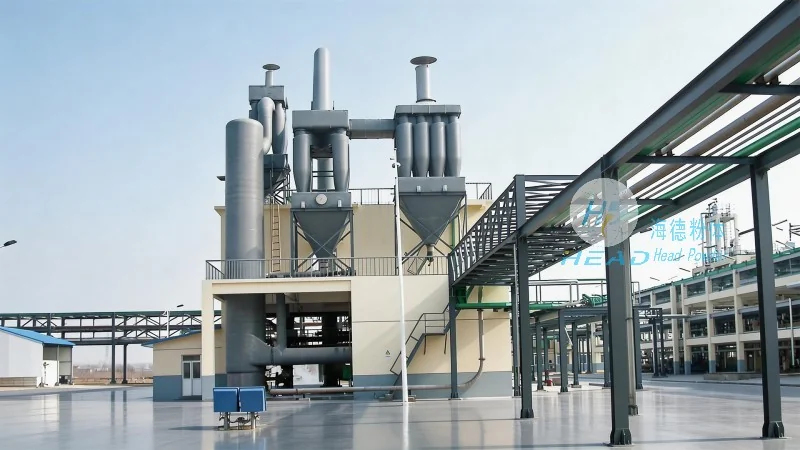
In conclusion, cement clinker powder conveying lines are essential systems in the cement industry, designed to efficiently transport fine, abrasive materials while ensuring safety and environmental compliance. The principles behind these systems, combined with their operational characteristics, enable reliable and continuous operation in demanding industrial environments. As technology advances, future developments may focus on enhancing the efficiency of these systems through the integration of smart sensors, automated control, and sustainable materials. However, the core principles of pneumatic and mechanical conveying will likely remain unchanged, as they continue to provide the foundation for effective cement clinker transportation. For industry professionals, understanding these principles and characteristics is crucial for optimizing system performance and ensuring the long-term success of cement production operations.




