Principle and Working Scene Characteristics of Lysine Material Handling Systems
Release time:2026-09-19 10:01:31
name of the company:Shandong Headpowder Engineering Co., Ltd.
telephone:156-6277-7102
contacts:Zhang manager
HeadPowder, a leading engineering firm based in Shandong, China, specializes in the design and implementation of advanced material handling systems tailored for industries such as animal feed production and chemical processing. This article explores the fundamental principles behind lysine material handling systems and highlights the key characteristics of their operational environments.
Overview of Lysine Material Handling Systems
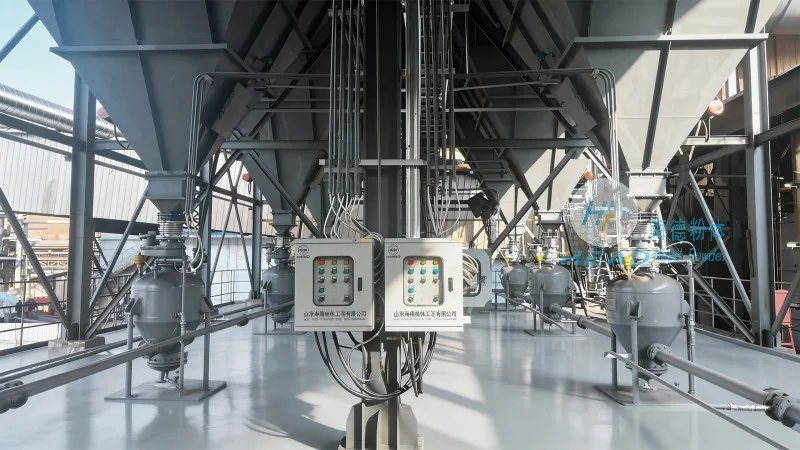
Lysine is a critical amino acid used extensively in animal nutrition, particularly in the formulation of poultry and swine feed. Efficient and reliable transportation of lysine from storage to processing lines is essential for maintaining production efficiency and product quality. The lysine material handling system typically integrates several components, including bulk storage silos, conveying equipment (like screw conveyors, pneumatic conveyors, or bucket elevators), feeding mechanisms, and control systems. These components work in concert to ensure the safe and precise movement of lysine from storage to the point of use.
Core Principles of Material Handling
The primary principle of a lysine material handling system is to maintain a continuous and controlled flow of material while minimizing downtime and operational risks. Key principles include:
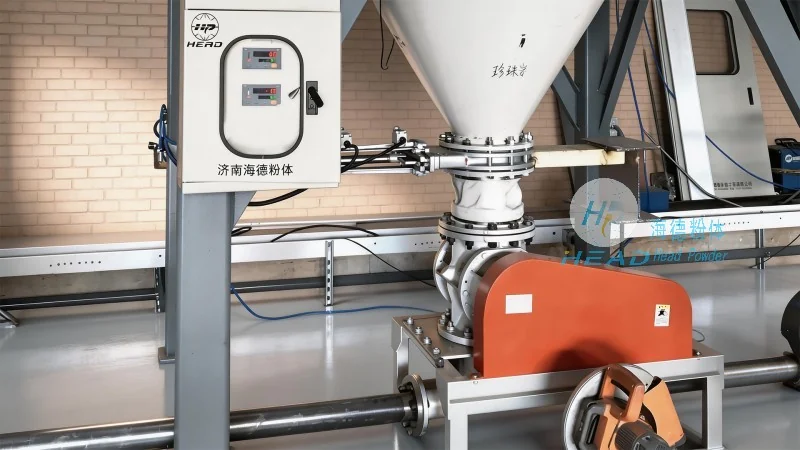
- Seamless Integration: The system is designed to integrate with existing production lines, ensuring that lysine can be fed directly into mixers or other processing equipment without interruption.
- Efficient Conveyance: Utilizing appropriate conveying technologies (e.g., screw conveyors for bulk solids, pneumatic systems for fine powders) to handle lysine's physical properties, such as its granular or powdered form, and prevent material degradation or caking.
- Controlled Feeding: Precise control of feed rates is crucial to maintain consistent product formulation and avoid overfeeding or underfeeding, which can impact animal health and feed quality.
- Safety and Compliance: Systems are engineered to meet industry safety standards and regulatory requirements, ensuring that handling of lysine, a potentially hazardous material in terms of dust explosion risk, is managed safely.
Working Scene Characteristics
The operational environment of lysine material handling systems varies based on the industry and scale of production. Key characteristics include:
- High-Volume Production: In large-scale feed mills, the system must handle substantial quantities of lysine, often in bulk, to support continuous production runs.
- Clean and Controlled Settings: The processing environment is typically clean and dust-controlled to prevent contamination of lysine, which is sensitive to moisture and microbial growth.
- Integration with Automated Processes: Modern systems often integrate with automated control systems, allowing for real-time monitoring and adjustment of feed rates, ensuring optimal performance and reducing human error.
- Adaptability to Different Forms: Depending on the form of lysine (e.g., granules, powders), the system may require different conveying methods. For example, granular lysine may be handled by screw conveyors, while powdered lysine might use pneumatic conveying to minimize dust generation.
System Components and Their Functions
Each component of the lysine material handling system plays a vital role in ensuring efficient operation. Key components include:
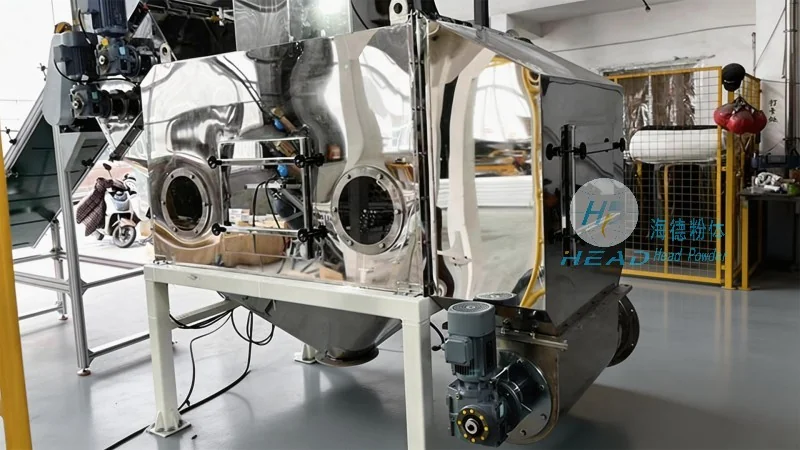
- Bulk Storage Silos: Large-capacity silos are used to store lysine in bulk, providing a stable supply for continuous production. These silos are often equipped with level sensors to monitor inventory levels.
- Conveying Equipment: Screw conveyors are commonly used for horizontal or slight incline transport due to their reliability and ability to handle bulk materials. Pneumatic conveyors are preferred for fine powders to minimize dust and ensure gentle handling.
- Feeding Mechanisms: Rotating feeders or gate valves control the flow of lysine from the conveyor to the processing equipment, ensuring precise dosing.
- Control Systems: Automated control panels monitor and regulate the entire system, including conveyor speeds, feed rates, and silo levels, providing real-time data and alerts for any deviations.
Advantages of Advanced Lysine Handling Systems
Implementing a well-designed lysine material handling system offers several advantages for businesses in the animal feed and chemical sectors:
- Increased Efficiency: By automating the material handling process, production lines can operate with minimal downtime, leading to higher throughput and reduced labor costs.
- Improved Product Quality: Precise control over feed rates ensures consistent formulation of animal feed, which is critical for maintaining animal health and productivity.
- Enhanced Safety: Advanced systems incorporate safety features, such as dust suppression and explosion-proof designs, reducing the risk of accidents and ensuring compliance with safety regulations.
- Cost Savings: Efficient material handling reduces waste and energy consumption, leading to long-term cost savings for the company.
Conclusion
HeadPowder Engineering Co., Ltd., based in Shandong, China, provides comprehensive solutions for lysine material handling systems. By adhering to the core principles of seamless integration, efficient conveyance, and controlled feeding, these systems ensure reliable operation in high-volume production environments. The adaptability of modern systems to different forms of lysine and their integration with automated processes make them indispensable in today's feed and chemical industries. For businesses seeking to optimize their lysine handling processes, investing in a well-designed material handling system is a strategic move that enhances efficiency, product quality, and safety.




