HeadPowder, a leading engineering company based in Shandong, China, specializes in the design and implementation of advanced material conveying systems tailored for glass particle handling. This article explores the fundamental principles of such systems and highlights key working scene characteristics that define their operational effectiveness.
System Principle: Efficient Material Handling Through Precision Engineering
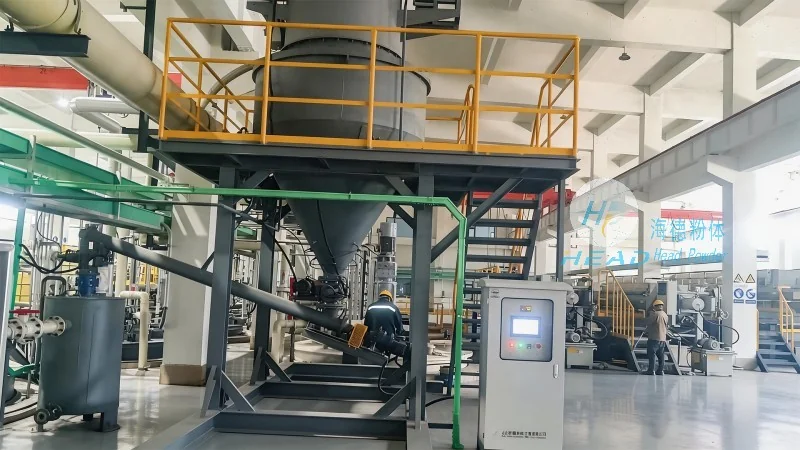
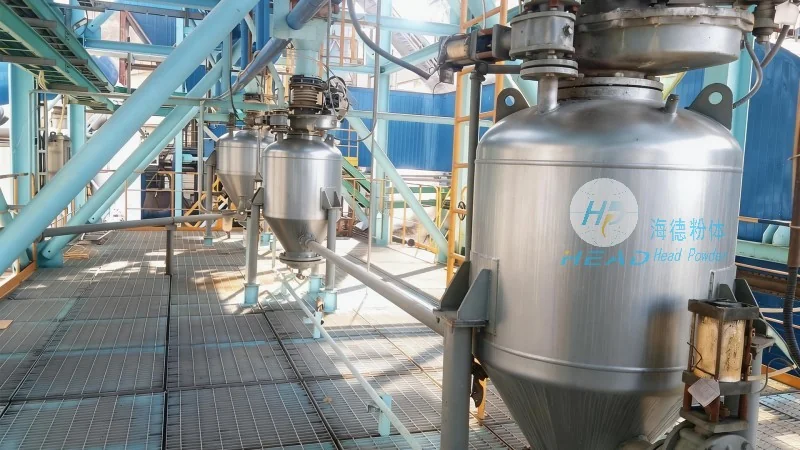
The core principle of glass particle material conveying systems lies in the integration of specialized components that ensure safe, reliable, and efficient transport of glass particles. These systems typically incorporate high-quality conveyor belts, robust feeding mechanisms, and advanced control technologies to manage the unique properties of glass materials—such as their fragility, irregular shapes, and varying sizes. The engineering design focuses on minimizing particle breakage and ensuring consistent flow, which are critical for maintaining product quality and operational efficiency. By leveraging precise engineering and material science, HeadPowder's systems address the challenges associated with glass particle handling, offering solutions that are both durable and adaptable to diverse industrial needs. For example, the use of soft-start mechanisms and adjustable speed controls allows for gentle handling of glass particles, preventing damage during transport. Additionally, the incorporation of vibration-damping systems reduces the risk of particle movement and ensures smooth operation, even with irregularly shaped glass pieces. The control systems, often equipped with sensors and feedback loops, monitor the conveyor's performance in real-time, allowing for immediate adjustments to maintain optimal flow rates. This integration of mechanical and electronic components creates a cohesive system that balances efficiency with product protection, a hallmark of HeadPowder's engineering approach.
Working Scene Characteristics: Tailored Solutions for Diverse Applications
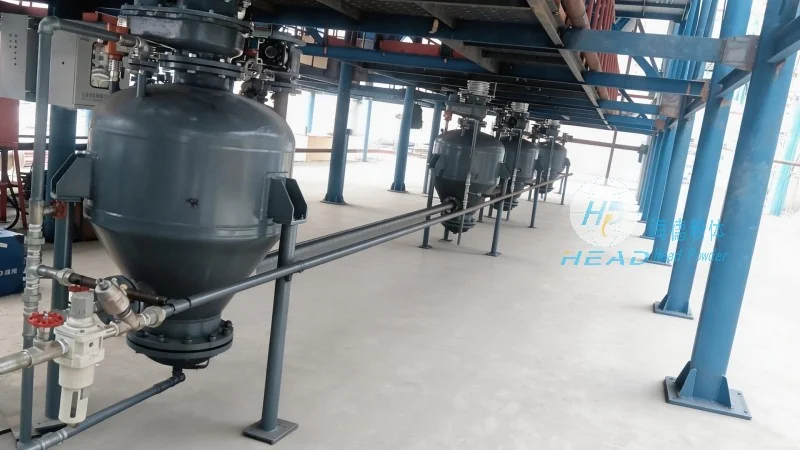
HeadPowder's glass particle conveying systems are designed to operate in a variety of industrial environments, each with distinct characteristics that influence system performance. These working scenes include manufacturing facilities for glass products, such as glass bottles, containers, and architectural glass, where the systems must handle raw glass particles, cullet, or finished glass products. The systems are also applied in recycling plants, where they facilitate the sorting and transport of glass waste. In each scenario, the system's design adapts to the specific requirements of the environment, including space constraints, particle size variations, and operational speed. For instance, in a glass bottle manufacturing plant, the system may need to handle large quantities of raw glass particles at high speeds, while in a recycling facility, it might focus on sorting and transporting smaller, fragmented glass pieces. The working scene characteristics also include the need for dust control and environmental compliance, as glass particle handling can generate airborne particles that require proper containment and filtration. HeadPowder's systems are equipped with features like enclosed conveyor structures and efficient dust collection systems to meet these environmental standards, ensuring safe and sustainable operation. In manufacturing environments, the systems may be integrated with other production equipment, such as mixers or molding machines, to create a seamless workflow. This integration reduces material handling time and improves overall production efficiency. The adaptability of these systems to different working scenes further adds to their value, as they can be customized to meet the evolving needs of industrial processes. For example, a system initially designed for cullet transport can be modified to handle raw glass particles by adjusting the feeding mechanism and conveyor belt type, demonstrating the flexibility inherent in HeadPowder's solutions.
Application Advantages: Enhancing Productivity and Quality
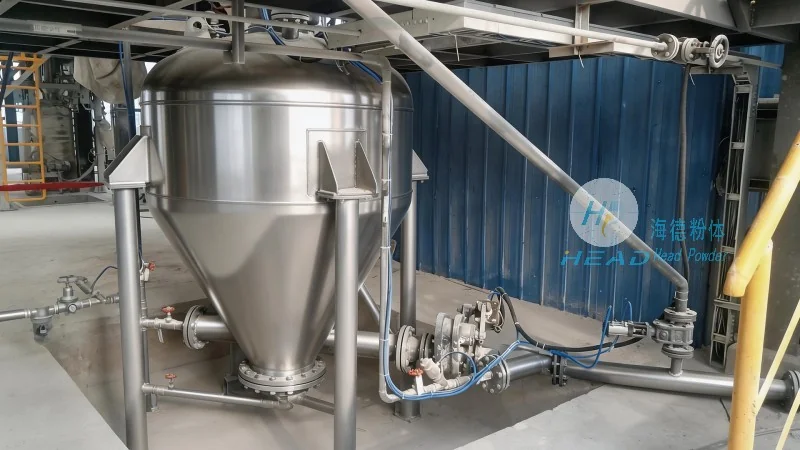
The implementation of glass particle conveying systems by HeadPowder brings several key advantages to industrial operations. Firstly, these systems significantly improve productivity by automating the material handling process, reducing manual labor and minimizing downtime. The efficient transport of glass particles ensures a steady supply of raw materials to production lines, enabling continuous operation and higher output. For example, in a glass bottle factory, the system can handle up to 10 tons of glass particles per hour, compared to manual handling which might process only 2-3 tons per hour. This increase in throughput directly translates to higher production volumes and reduced labor costs. Secondly, the systems enhance product quality by minimizing particle breakage and contamination. The use of gentle handling mechanisms and precise control systems prevents damage to glass particles, which is crucial for maintaining the integrity of finished glass products. In architectural glass manufacturing, for instance, even a small crack or chip in a glass panel can render it unusable, making the prevention of particle breakage essential. HeadPowder's systems achieve this by using low-friction conveyor belts and soft-start feeding mechanisms that reduce impact forces on the particles. Additionally, the systems contribute to operational cost reduction by optimizing energy usage and reducing maintenance requirements. Advanced materials and durable components used in HeadPowder's systems ensure long-term reliability, lowering the total cost of ownership. The control systems, often equipped with predictive maintenance features, can detect early signs of wear and suggest maintenance schedules, further reducing downtime and maintenance costs. The adaptability of these systems to different working scenes further adds to their value, as they can be customized to meet the evolving needs of industrial processes. By integrating these advantages, HeadPowder's glass particle conveying systems provide a competitive edge to businesses operating in the glass industry, supporting their growth and sustainability. The systems not only improve operational efficiency but also align with environmental regulations, contributing to a more sustainable industrial practice.




