Intelligent ingredient material conveying equipment, as a core component in modern industrial production lines, plays a crucial role in the efficient and precise handling of raw materials. Developed by Shandong HeadPowder Engineering Co., Ltd., this equipment integrates advanced automation technologies, such as sensors, control systems, and intelligent algorithms, to achieve optimized material flow management. The design and application of such equipment are tailored to meet the diverse needs of different industrial sectors, ensuring high reliability, stability, and adaptability in complex production environments.
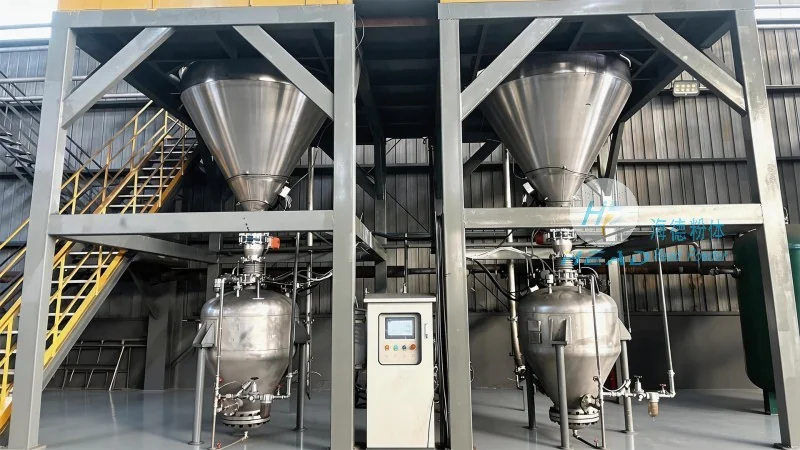
Principles of Operation for Intelligent Ingredient Material Conveying Equipment
The operation principle of intelligent ingredient material conveying equipment is centered on the seamless integration of material handling and process control. At its core, the system employs a combination of mechanical, electrical, and software components to facilitate the movement of raw materials from storage to processing points. Key operational elements include material feeding mechanisms, conveying systems (like belt conveyors, screw conveyors, or pneumatic conveyors), and real-time monitoring sensors. These components work in concert to ensure that materials are transported with minimal loss, optimal speed, and precise positioning. The intelligent control system, often based on PLC (Programmable Logic Controller) or more advanced AI-driven platforms, continuously adjusts the conveying parameters based on real-time data, such as material flow rates, temperature, and humidity. For instance, optical sensors can detect the level of material in the hopper, while pressure sensors monitor the load on the conveyor belt. This data is fed into the control system, which then adjusts the motor speed or feeding rate to maintain a consistent flow. This dynamic adjustment capability enhances the equipment's efficiency and reduces operational errors, making it suitable for high-demand production scenarios where precision and reliability are critical.
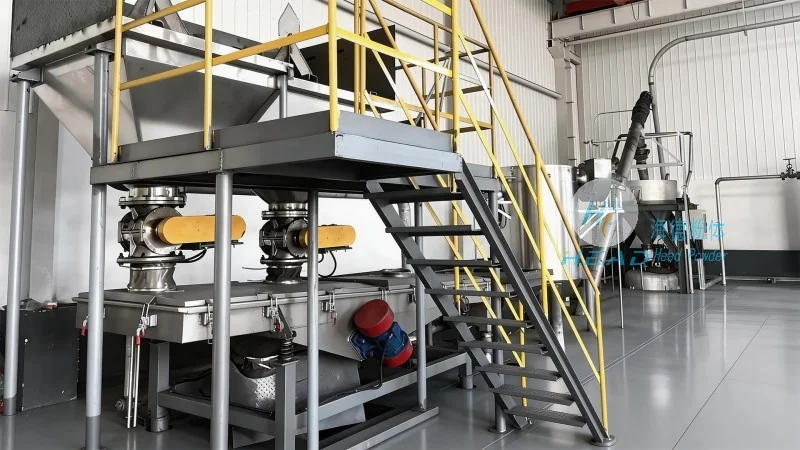
Working Scene Characteristics of Intelligent Ingredient Material Conveying Equipment
The working scene characteristics of intelligent ingredient material conveying equipment are highly influenced by the specific industrial applications they serve. In the food and beverage industry, these systems are designed to handle hygienic and non-hazardous materials, with features like stainless steel construction, easy cleaning, and compliance with food safety standards. The conveying speed and accuracy are critical to maintain product quality and prevent contamination. In the pharmaceutical industry, the equipment must adhere to stringent GMP (Good Manufacturing Practice) regulations, ensuring that materials are conveyed in a sterile and controlled environment. This often involves the use of closed systems, air filtration, and automated cleaning cycles. The chemical industry, on the other hand, requires equipment that can handle corrosive or abrasive materials, with robust materials of construction and specialized sealing mechanisms to prevent leaks and ensure safety. Additionally, in the mining and construction sectors, the equipment may be used for bulk material handling, where durability and high load capacity are paramount. The versatility of intelligent ingredient material conveying equipment allows it to adapt to these varied working environments, making it a versatile solution across multiple industries.
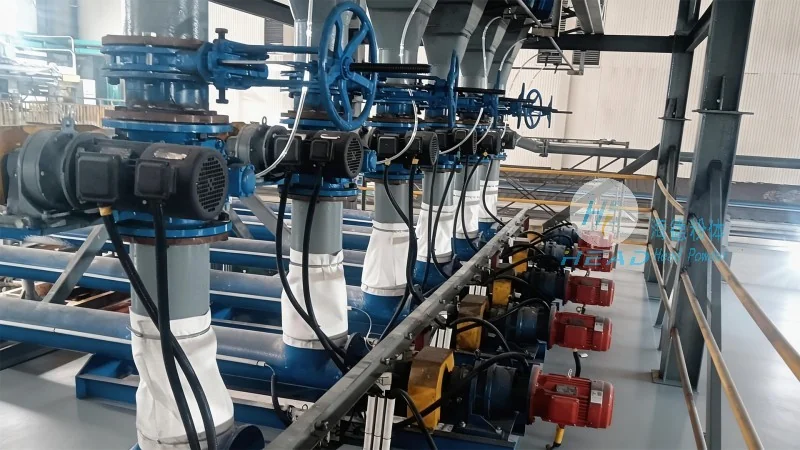
Key Features and Advantages of Intelligent Ingredient Material Conveying Equipment
Intelligent ingredient material conveying equipment offers several distinct advantages that set it apart from traditional conveying systems. Firstly, the integration of sensors and real-time monitoring enables predictive maintenance, reducing downtime and maintenance costs. The system can detect anomalies in material flow or equipment performance and alert operators before a failure occurs, thereby improving overall equipment effectiveness (OEE). Secondly, the automation of conveying processes minimizes human intervention, enhancing safety and reducing the risk of workplace accidents. The precise control over material handling also leads to improved product quality and consistency, as each batch is processed under identical conditions. Furthermore, the adaptability of these systems allows for easy integration with other production equipment, such as mixers, blenders, or packaging machines, creating a seamless production line. This modular design facilitates scalability, allowing businesses to expand their operations without significant reconfiguration. The energy efficiency of modern intelligent conveying systems is another notable advantage, as they optimize power usage based on actual demand, contributing to lower operational costs and reduced environmental impact.
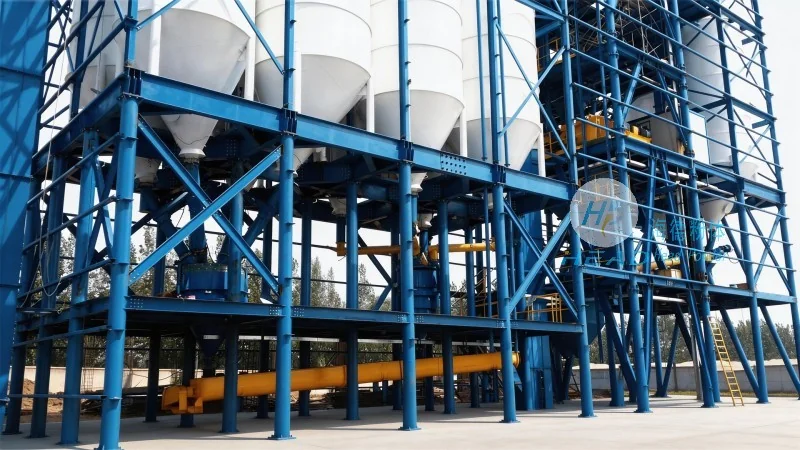
Application Examples and Real-World Scenarios
Real-world applications of intelligent ingredient material conveying equipment illustrate its versatility and effectiveness. In a large-scale food processing plant, the equipment is used to transport grains, powders, and other raw ingredients from silos to production lines. The system's ability to handle varying material densities and flow rates ensures a consistent supply of materials, preventing bottlenecks in the production process. In a pharmaceutical manufacturing facility, the conveying equipment is integrated into a closed-loop system that moves active pharmaceutical ingredients (APIs) from storage to mixing and packaging units. The sterile design and automated cleaning cycles maintain the required hygiene standards, ensuring product safety. In a chemical manufacturing plant, the equipment is used to convey bulk chemicals, with features like explosion-proof designs and emergency shut-off systems to mitigate safety risks. These examples demonstrate how intelligent ingredient material conveying equipment can be tailored to meet the specific requirements of different industries, enhancing operational efficiency and product quality.




