Desulfurization and denitrification are critical processes in modern industrial emissions control, and the efficiency of material handling systems plays a pivotal role in the overall performance of these operations. This article explores the principles underlying such systems and highlights the key characteristics of their working environments, with a focus on the expertise of Shandong HeadPowder Engineering Co., Ltd., a leading provider in the field.
Company Overview: HeadPowder Engineering
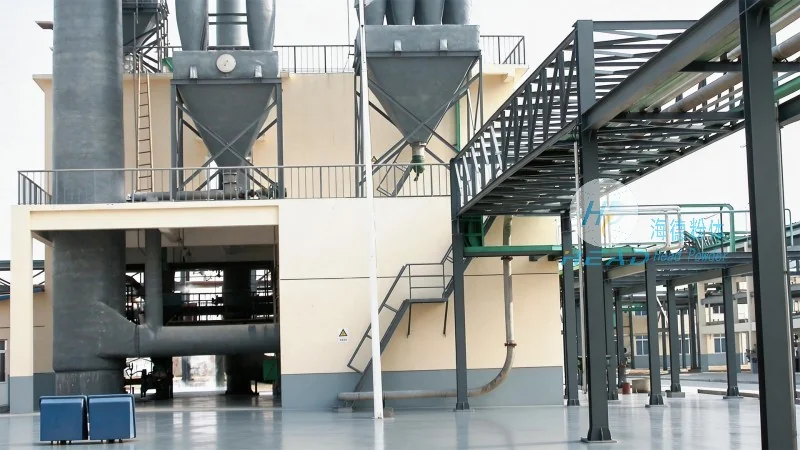
Shandong HeadPowder Engineering Co., Ltd. (hereinafter referred to as HeadPowder) is a professional enterprise dedicated to the research, development, and application of material handling solutions for desulfurization and denitrification processes. HeadPowder is headquartered in Shandong, China, and has established a strong reputation for delivering reliable and efficient systems that meet the stringent requirements of industrial clients. The company's commitment to innovation and quality ensures that its products are tailored to the unique needs of each project, providing sustainable solutions for environmental protection and industrial efficiency.
The Core Principles of Desulfurization and Denitrification Agent Material Handling Systems
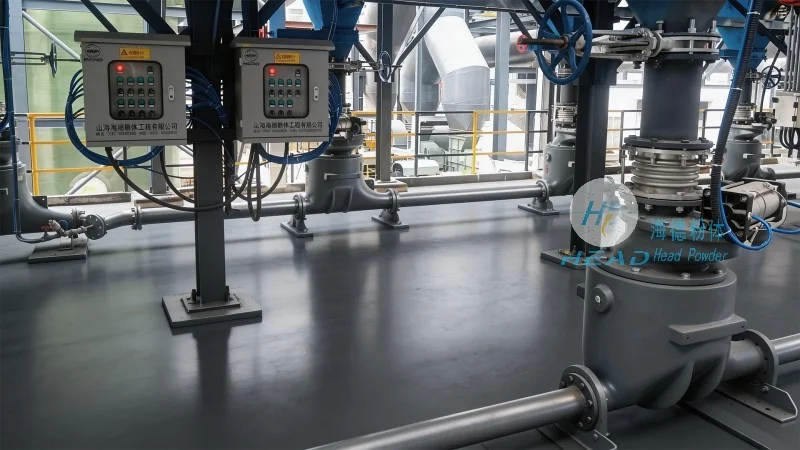
The material handling system for desulfurization and denitrification agents typically involves a series of interconnected components designed to transport powders or granules safely and efficiently. The fundamental principle revolves around the use of specialized equipment that can handle the physical properties of these agents, such as their fineness, moisture content, and reactivity. Key components often include feeders, conveyors, storage silos, and control systems, all working in tandem to ensure a continuous and controlled flow of material. The system's design must account for factors like dust control, material flow optimization, and safety measures to prevent accidents or equipment damage. For instance, the selection of appropriate conveyor types—such as screw conveyors, belt conveyors, or pneumatic conveying systems—depends on the specific characteristics of the desulfurization or denitrification agent being handled. Each component is engineered to minimize material degradation, maintain consistent flow rates, and ensure compliance with environmental regulations.
Working Scene Characteristics: Application Environments
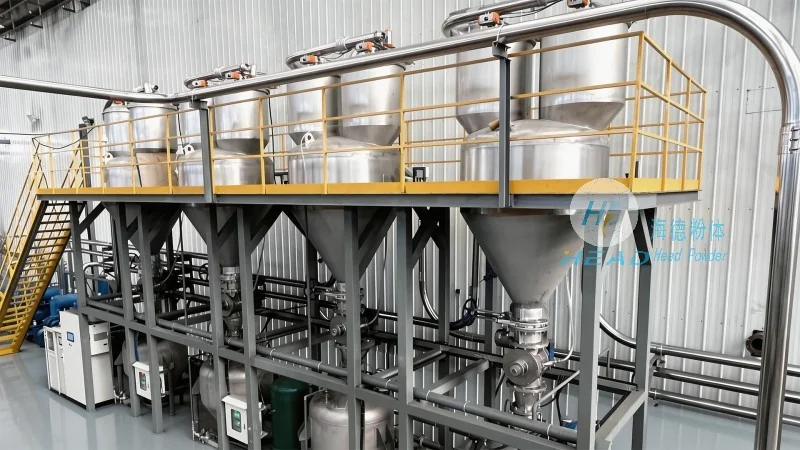
The working scene characteristics of desulfurization and denitrification agent material handling systems vary significantly based on the industrial application and the scale of the operation. In power plants, for example, these systems are often integrated into large-scale flue gas treatment facilities, where the agents are used to reduce sulfur dioxide (SO₂) and nitrogen oxides (NOₓ) emissions. The working environment in such settings is characterized by high temperatures, corrosive gases, and the need for continuous operation to meet emission standards. The system must be robust enough to withstand these harsh conditions while maintaining precise control over the material flow. Another common application is in industrial boilers and chemical plants, where the agents are used for process control or waste treatment. These environments may involve different material types, such as limestone for desulfurization or ammonia for denitrification, each requiring tailored handling solutions. The working scene may also include considerations for space constraints, as facilities often have limited room for large equipment, necessitating compact and efficient designs. Additionally, the system's integration with other plant processes, such as automation and monitoring, is crucial for real-time control and optimization. The characteristics of the working scene, including the type of agent, the scale of the operation, and the environmental conditions, directly influence the design and performance of the material handling system.
Conclusion: Ensuring Efficiency and Reliability
In conclusion, the desulfurization and denitrification agent material handling system is a critical component of modern industrial emissions control, and its design and operation are governed by specific principles and environmental characteristics. Shandong HeadPowder Engineering Co., Ltd. leverages its expertise to develop systems that address the unique challenges of each application, ensuring efficiency, reliability, and compliance with environmental regulations. By understanding the core principles and working scene characteristics, industries can optimize their material handling processes, leading to improved operational performance and reduced environmental impact.




