The pneumatic conveying system for coal fly ash material represents a sophisticated solution in the realm of industrial material handling, engineered to efficiently transport fine particulate materials like coal fly ash from source to destination. This technology is pivotal for industries that rely on consistent and reliable movement of bulk powders, offering a non-contact, enclosed method that minimizes material degradation and environmental contamination.
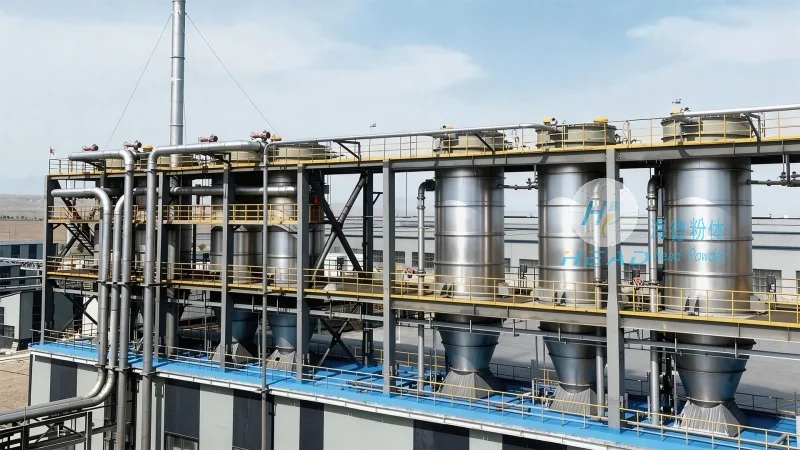
Company Overview
Headpowder, a prominent engineering firm headquartered in Shandong, China, has been at the forefront of developing and deploying advanced material handling systems. With a dedicated team of engineers and a commitment to innovation, Headpowder specializes in creating customized solutions that meet the unique demands of its clients. The company's expertise in pneumatic conveying systems, particularly for coal fly ash, has positioned it as a key player in the industry.
System Principle
The fundamental principle behind the coal fly ash pneumatic conveying system revolves around the interaction between air and the material particles. In this system, air is introduced into a pipeline at a controlled pressure, creating a flow that suspends the coal fly ash particles and transports them through the system. The process can be categorized into two primary types: pressure pneumatic conveying and vacuum pneumatic conveying. Pressure systems utilize compressed air to push the material forward, while vacuum systems employ a suction mechanism to draw the material along the pipeline. The system's design typically incorporates several critical components: a feeder to introduce the material, a conveying line to transport it, a separator to separate the material from the air, and a receiver to collect the material. The feeder ensures a uniform flow of coal fly ash into the system, preventing blockages and maintaining consistent performance. The conveying line, often made of materials resistant to corrosion and abrasion, is designed to withstand the abrasive nature of coal fly ash particles. The separator, such as a cyclone or bag filter, efficiently separates the material from the air stream, ensuring that the material is collected without loss. The receiver, usually a storage silo or hopper, stores the transported coal fly ash for subsequent use in processes like cement production or construction material manufacturing.
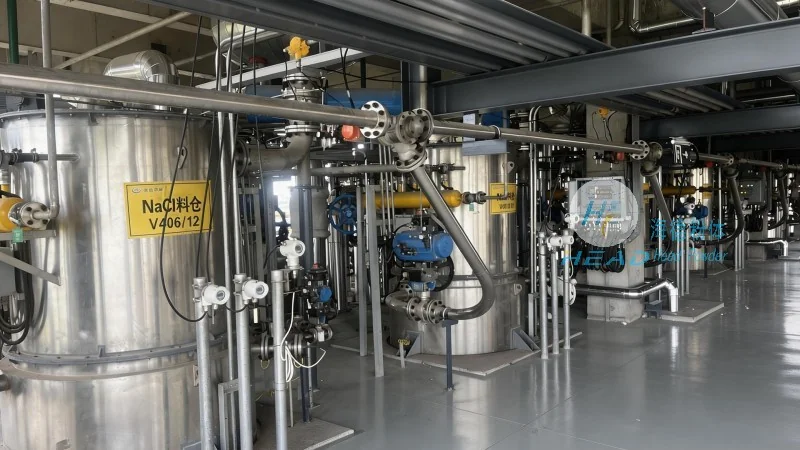
Working Scene Characteristics
The working scene characteristics of the coal fly ash pneumatic conveying system are tailored to the specific operational requirements of industrial facilities. One of the key advantages is its high efficiency in transporting large volumes of material over extended distances, often ranging from several hundred meters to several kilometers. The enclosed system design significantly reduces dust emissions, making it environmentally friendly and compliant with regulatory standards. Additionally, the system's ability to operate under different pressure conditions allows for flexibility in integrating with existing plant infrastructure. For instance, in a power plant, the system can be integrated with the boiler's ash handling system, ensuring a seamless transition from ash generation to storage. The system's low maintenance requirements, compared to traditional mechanical conveyors, result in reduced operational costs and increased uptime for industrial operations.
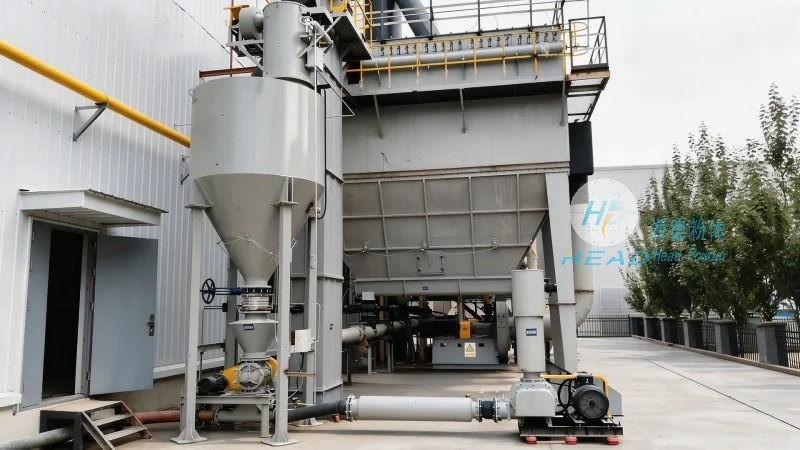
Industrial Applications
In practical applications, the coal fly ash pneumatic conveying system is widely used in power generation, cement manufacturing, and construction material production industries. In power plants, the system efficiently transports fly ash from the boiler to the ash storage facility, supporting the plant's operational efficiency and waste management strategies. The system's ability to handle fine particles without clogging or degradation is particularly valuable in these settings. In cement factories, the system aids in the transport of raw materials and finished products, contributing to the overall productivity of the production line. The system's adaptability to different plant layouts and operational scales makes it a versatile solution for various industrial needs.
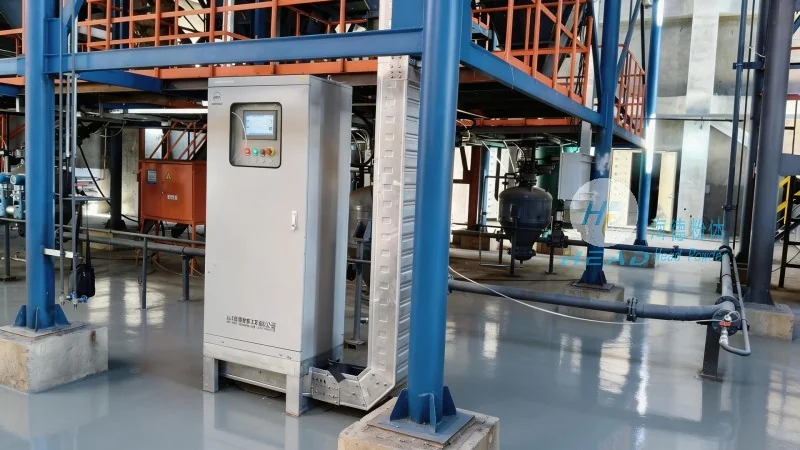
Performance and Advantages
The system's performance is further enhanced by its ability to handle varying material properties. Coal fly ash, being a fine powder with high moisture content in some cases, requires a system that can maintain consistent flow and prevent agglomeration. Headpowder's systems are designed with features such as air classifiers and moisture control mechanisms to address these challenges, ensuring reliable operation under diverse conditions. The integration of advanced control systems allows for real-time monitoring and adjustment of the conveying process, optimizing efficiency and reducing energy consumption.
Conclusion
Overall, the coal fly ash pneumatic conveying system, developed and implemented by Headpowder, offers a robust and efficient solution for industrial material handling. By combining advanced engineering principles with practical application knowledge, the system addresses the unique challenges of transporting coal fly ash while meeting the demands of modern industrial operations. The system's reliability, environmental benefits, and cost-effectiveness make it an ideal choice for industries seeking to enhance their material handling capabilities.




