Phosphorus pentoxide (P₂O₅) is a critical chemical compound widely used in various industrial applications, including the production of phosphoric acid, flame retardants, and other specialty chemicals. The efficient and safe transportation of this hazardous material is essential for industrial operations. This article provides a detailed overview of the operation process and working principle of a pneumatic conveying line specifically designed for handling phosphorus pentoxide, highlighting the key components, operational procedures, and safety considerations involved.
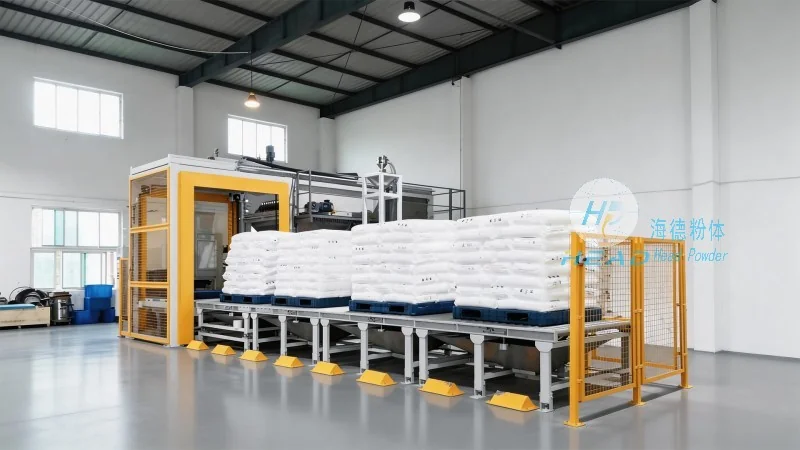
Company Profile
HeadPowder, or Shandong HeadPowder Engineering Co., Ltd., is a leading provider of specialized engineering solutions for the chemical and material handling industries. With a strong focus on innovation and safety, the company specializes in the design, manufacturing, and installation of pneumatic conveying systems tailored to handle hazardous and high-value materials like phosphorus pentoxide. HeadPowder's expertise ensures that clients receive reliable and efficient solutions that meet stringent industry standards.
Overview of the Pneumatic Conveying System
The pneumatic conveying line for phosphorus pentoxide typically consists of several key components, including a hopper, feeder, air compressor, conveying pipeline, and a receiver or discharge unit. The system operates by using compressed air to transport the solid material through the pipeline, eliminating the need for mechanical components that could cause contamination or damage to the product. This design is particularly advantageous for handling powders that are prone to caking or agglomeration, as the air flow helps maintain the material in a free-flowing state.
Operation Process
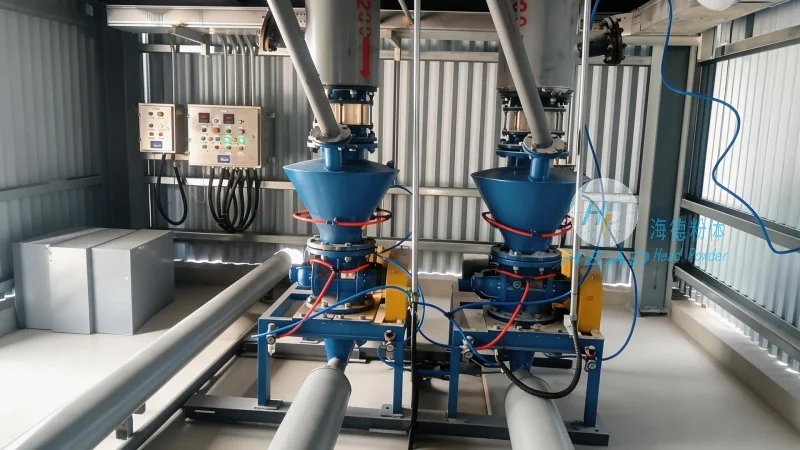
The operation process of the phosphorus pentoxide pneumatic conveying line begins with the loading of the material into the hopper. The hopper is equipped with a level indicator to monitor the material inventory and a discharge valve that controls the flow rate. A feeder, such as a rotary valve or a screw feeder, then meters the material from the hopper into the conveying pipeline. The air compressor generates high-pressure air, which is introduced into the pipeline at the inlet of the feeder. As the compressed air flows through the pipeline, it creates a low-pressure zone that draws the material from the feeder into the air stream. The mixture of air and material travels through the pipeline to the receiver, where the material is separated from the air by a cyclone or a filter system. The separated material is then discharged into the receiving container, while the air is either vented to the atmosphere or recycled back to the compressor.
Working Principle
The core working principle of the pneumatic conveying system is based on the principle of fluidization and drag. The compressed air creates a high-velocity flow within the pipeline, which lifts and transports the phosphorus pentoxide particles. The velocity of the air must be sufficient to overcome the gravitational force acting on the particles and to maintain the material in a suspended state. The system utilizes a combination of pressure and vacuum to achieve the desired conveying velocity. The pressure system, where air is introduced at the inlet and the outlet is under atmospheric pressure, is commonly used for short to medium distance conveying. For longer distances or higher material loads, a vacuum system may be employed, where the air is drawn from the receiver and the inlet is under atmospheric pressure.
Key Components and Their Functions
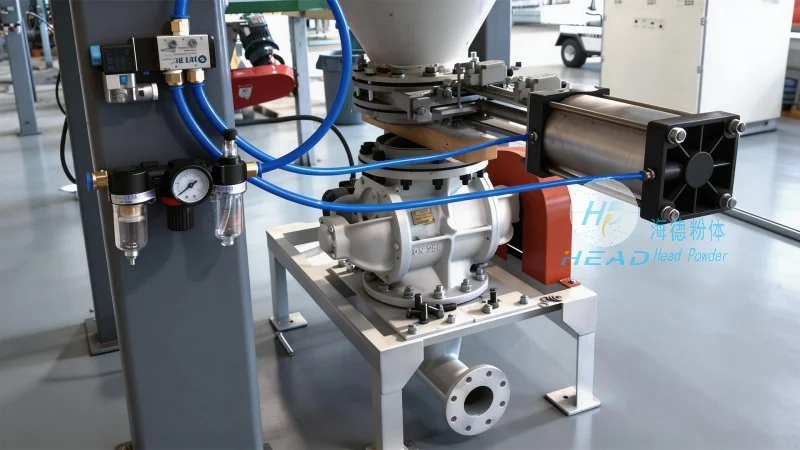
Each component of the pneumatic conveying line plays a crucial role in ensuring the efficient and safe operation of the system. The hopper serves as a storage vessel for the phosphorus pentoxide, providing a consistent feed to the feeder. The feeder controls the flow rate of the material, preventing overloading or underloading of the system. The air compressor generates the necessary pressure to move the material through the pipeline, with the capacity of the compressor matching the conveying requirements. The conveying pipeline is typically made of stainless steel or other corrosion-resistant materials to prevent contamination and ensure durability. The receiver or discharge unit collects the conveyed material and separates it from the air, with options including cyclones, filters, or baghouses depending on the application requirements.
Safety and Maintenance Considerations
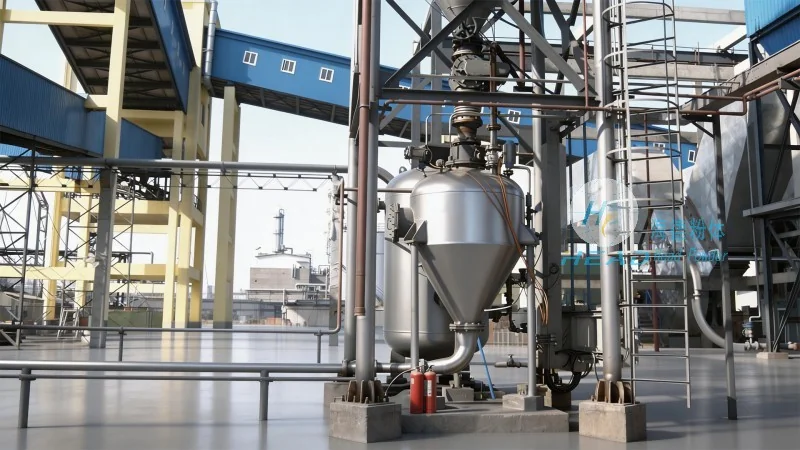
Handling phosphorus pentoxide requires strict adherence to safety protocols due to its hazardous nature. The pneumatic conveying system is designed with safety features such as explosion-proof air compressors, pressure relief valves, and material containment systems to minimize the risk of accidents. Regular maintenance is essential to ensure the system operates efficiently and safely. This includes checking the air compressor for proper operation, inspecting the conveying pipeline for leaks or blockages, and cleaning the receiver and filter systems to prevent clogging. Proper training of operators on the safe operation of the system is also a critical aspect of maintaining a safe working environment.
Applications and Benefits
The phosphorus pentoxide pneumatic conveying line is widely used in industrial settings where the material needs to be transported from a storage area to a processing unit or a packaging facility. The benefits of this system include reduced labor costs, improved safety compared to manual handling, and increased efficiency in material transport. The system is particularly suitable for applications where the material is sensitive to moisture or contamination, as the enclosed pipeline prevents exposure to the environment. Additionally, the flexibility of the system allows for easy integration with existing production lines and the ability to adjust the conveying rate based on production demands.




