Shandong HeadPowder Engineering Co., Ltd., commonly known as headpowder, is a leading enterprise in the field of pneumatic conveying technology. HeadPowder specializes in the design, manufacturing, and installation of advanced pneumatic conveying systems, with a particular emphasis on systems utilizing polycarbonate materials. The company is headquartered in Shandong, China, where it operates from a well-equipped facility dedicated to research, development, and production of high-quality conveying solutions.
Polycarbonate Pneumatic Conveying Lines: An Overview
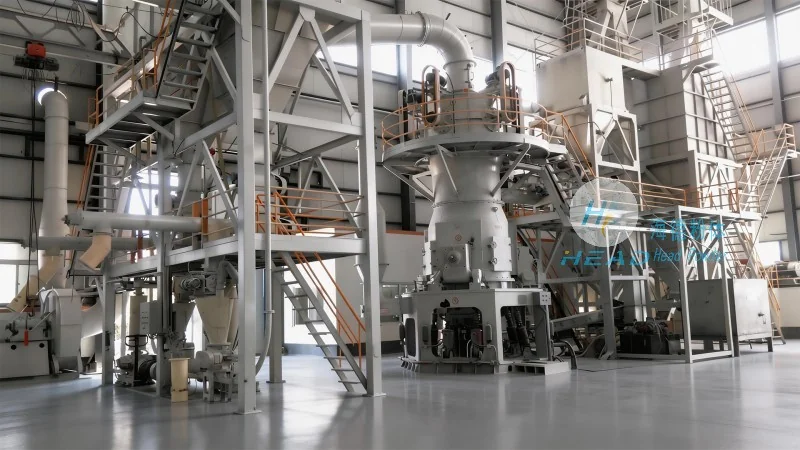
Polycarbonate pneumatic conveying lines represent a sophisticated method for transporting polycarbonate particles through an enclosed system using compressed air. These systems are engineered to efficiently move materials from a source to a destination while maintaining product integrity and operational efficiency. The design of such lines typically involves several key components that work in concert to achieve reliable material transport.
The Operational Process of Polycarbonate Pneumatic Conveying Lines
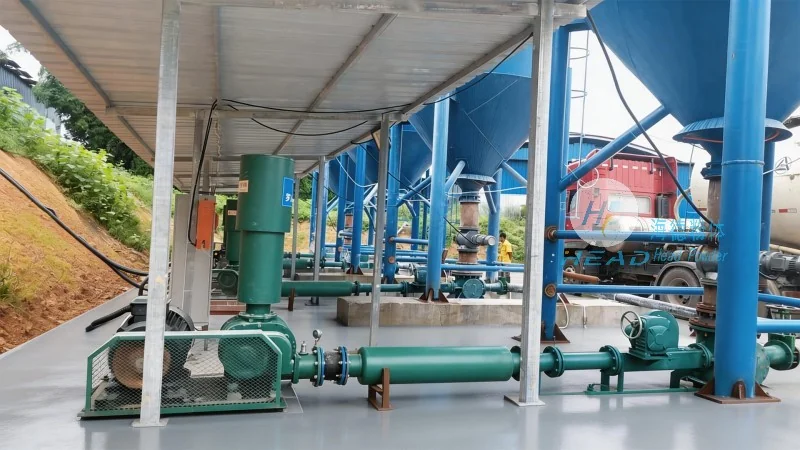
The operation of a polycarbonate pneumatic conveying line begins with the loading of material into a hopper or feeder. The feeder then regulates the flow of polycarbonate particles into the system. Simultaneously, a compressor generates compressed air, which is introduced into the conveying line. The compressed air creates a pressure differential that propels the polycarbonate particles through the pipeline. As the material travels, it may encounter a series of bends, filters, or separation units that ensure the material remains in a suspended state and prevents blockages. The system concludes with a receiver or discharge unit where the polycarbonate is collected. Throughout this process, the air and material mixture is managed to maintain optimal flow rates and prevent material degradation.
Working Principle of Polycarbonate Pneumatic Conveying Lines
The core principle behind polycarbonate pneumatic conveying lines is the use of air as a medium to transport solid particles. This method, known as pneumatic conveying, relies on the kinetic energy of compressed air to lift and move the material. The system operates on the principle of creating a low-pressure zone at the discharge end and a high-pressure zone at the inlet, which drives the material forward. Key components include the air compressor, which supplies the necessary pressure; the feeder, which controls the material feed rate; the conveying pipeline, which transports the material; and the separation or filter units, which remove excess air and prevent material loss. The design of these components is critical to ensuring efficient and consistent operation, as any inefficiency can lead to reduced throughput or material degradation.
Key Features and Benefits of Polycarbonate Pneumatic Conveying Lines
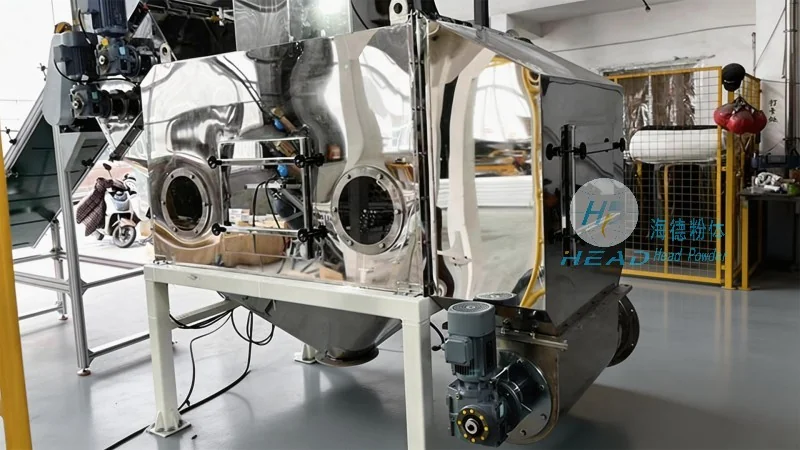
Polycarbonate pneumatic conveying lines offer several advantages over traditional mechanical conveying methods. These include reduced material handling time, as the entire process is automated and continuous. The enclosed system also minimizes dust exposure and environmental contamination, making it suitable for applications where product purity is paramount. Additionally, the system can handle a wide range of polycarbonate particle sizes and shapes, from fine powders to larger granules. The flexibility of the system allows for easy integration with existing production lines, and the modular design enables customization to meet specific operational requirements. Overall, polycarbonate pneumatic conveying lines provide a reliable, efficient, and cost-effective solution for material transport in various industrial applications.




