Desulfurization sodium bicarbonate is a critical component in modern industrial processes, particularly in power plants and chemical manufacturing facilities. The pneumatic conveying line designed for transporting this material efficiently and reliably is a sophisticated system that integrates advanced engineering principles. This article provides a detailed overview of the operation process and working principle of such a system, highlighting its key components, operational mechanisms, and the benefits it offers in material handling.
Key Components of the Pneumatic Conveying System
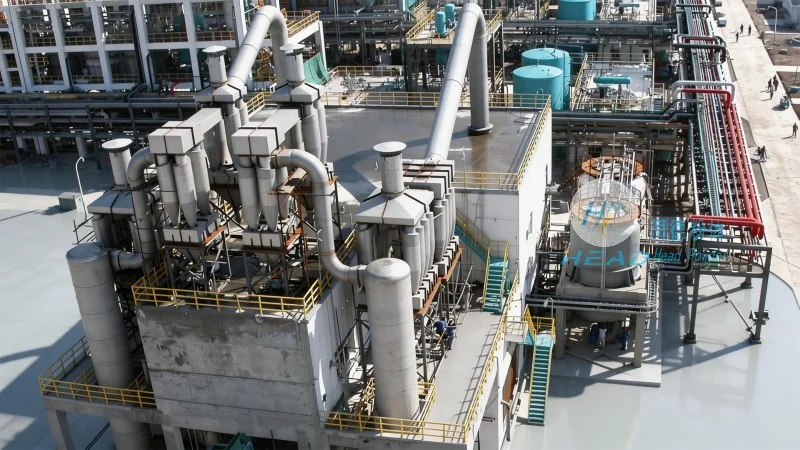
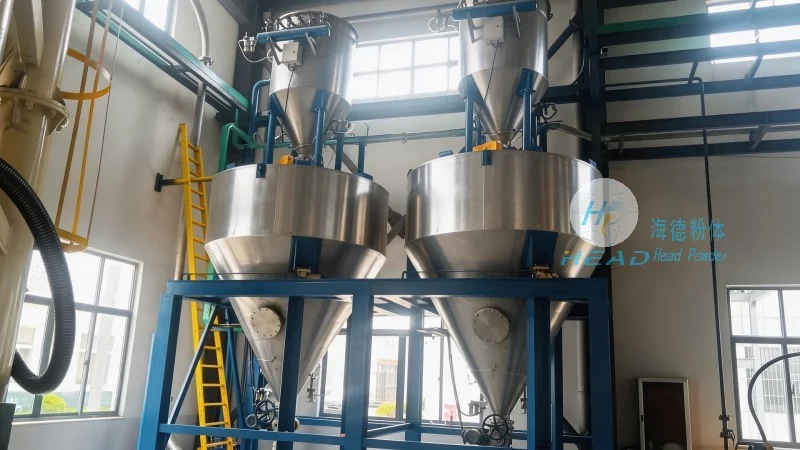
The pneumatic conveying line for desulfurization sodium bicarbonate typically consists of several essential components that work in tandem to ensure smooth material transport. These components include a material hopper, a rotary valve (or feeder), a conveying pipeline, a pressure vessel or receiver, and a dust collection system. Each component plays a vital role in the overall functionality of the system. The material hopper stores the sodium bicarbonate, while the rotary valve controls the flow rate of the material into the conveying pipeline. The pipeline, often made of stainless steel or other corrosion-resistant materials, transports the material under pressure. The pressure vessel collects the conveyed material and may include a filter to remove any fines. Finally, the dust collection system ensures compliance with environmental regulations by capturing any airborne particles.
Operation Process of the Pneumatic Conveying Line
The operation of the desulfurization sodium bicarbonate pneumatic conveying line begins with the loading of the material into the hopper. The rotary valve then regulates the flow of the sodium bicarbonate into the conveying pipeline. Compressed air, supplied by a blower or compressor, is introduced into the pipeline, creating a flow that propels the material through the system. As the material travels through the pipeline, it is carried by the air stream, which maintains the material in a suspended state. The pressure vessel at the end of the pipeline collects the material, and the air is filtered and discharged. The entire process is automated, with sensors and control systems monitoring the flow rate, pressure, and material level to ensure optimal performance. This continuous operation allows for efficient and uninterrupted material transport, minimizing downtime and maximizing productivity.
Working Principle of the Pneumatic Conveying System
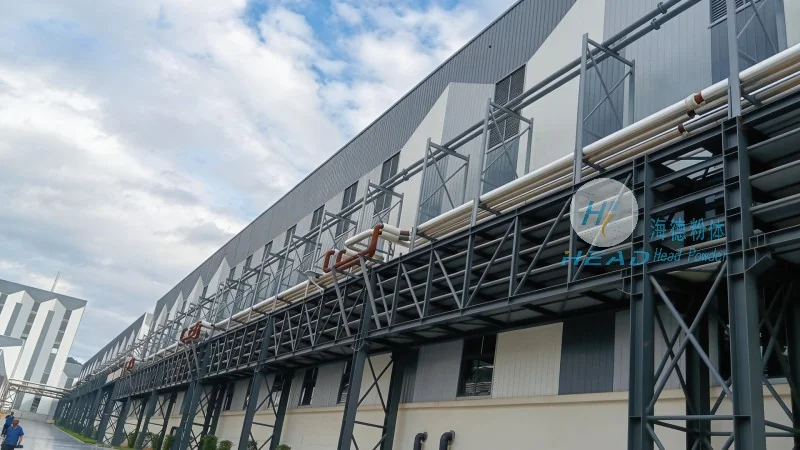
The working principle of the pneumatic conveying line is based on the fundamental concept of fluidization and suspension of solid particles in a gas stream. When compressed air is introduced into the conveying pipeline, it creates a low-pressure zone that draws the material from the hopper into the pipeline. The air velocity is maintained at a level sufficient to keep the sodium bicarbonate particles suspended, preventing them from settling or clogging the pipeline. The pressure differential between the hopper and the receiver drives the material forward, while the air flow provides the necessary kinetic energy to move the material through the system. The system operates under positive pressure, which helps to prevent dust ingress and maintain a clean environment. The design of the pipeline, including bends and fittings, is optimized to minimize pressure loss and ensure smooth material flow. The dust collection system at the receiver captures any fine particles that may be carried by the air, ensuring that the material is delivered in a clean and dry state.
Benefits and Applications of the Pneumatic Conveying Line
The pneumatic conveying line for desulfurization sodium bicarbonate offers several advantages over traditional material handling methods, such as belt conveyors or bucket elevators. These benefits include high efficiency in material transport, reduced labor costs due to automation, and improved safety by minimizing manual handling of the material. The system is also highly flexible, allowing for easy integration into existing industrial processes and adaptation to different production requirements. The corrosion-resistant materials used in the construction of the pipeline and components ensure long-term durability and reliability, even in harsh industrial environments. This makes the system suitable for a wide range of applications, including power plant desulfurization systems, chemical manufacturing facilities, and other industries where sodium bicarbonate is used as a raw material or reagent.
About Shandong HeadPowder Engineering Co., Ltd.
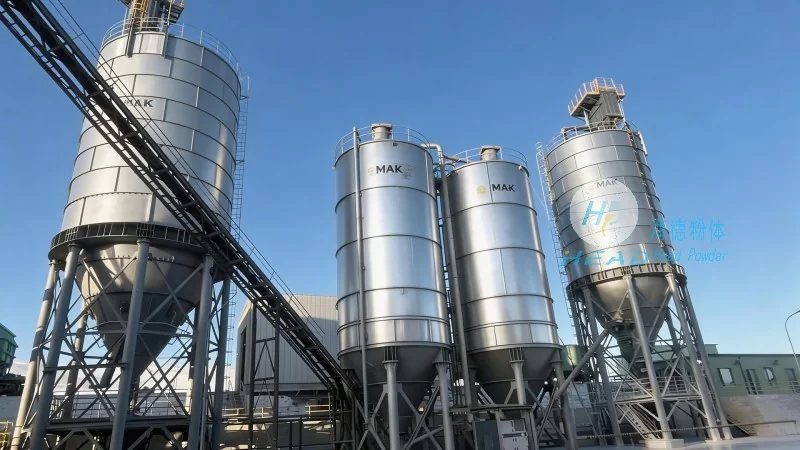
Shandong HeadPowder Engineering Co., Ltd., commonly known as headpowder, is a leading manufacturer and supplier of industrial material handling equipment, including pneumatic conveying systems. With a strong focus on innovation and quality, the company has established itself as a trusted partner for businesses in various industries. Headpowder's expertise in designing and manufacturing high-performance pneumatic conveying lines is built on years of experience and a commitment to excellence. The company's products are designed to meet the specific needs of its clients, ensuring optimal performance and reliability. Headpowder's facilities are located in Shandong, China, where the company leverages its local resources and expertise to deliver superior products and services. The company's dedication to customer satisfaction and technical support has earned it a reputation for excellence in the industry.




