For industrial facilities dealing with desulfurization processes, the efficient and reliable handling of fly ash is a critical operation. Traditional methods often face challenges when it comes to transporting fly ash over long distances, leading to operational inefficiencies and increased costs. This is where pneumatic conveying technology emerges as a superior solution, enabling the seamless transport of desulfurization fly ash while overcoming traditional distance limitations. The following discussion explores the key aspects of this advanced material handling approach, highlighting its benefits and the expertise of Shandong HeadPowder Engineering Co., Ltd. in providing tailored solutions for industrial applications.
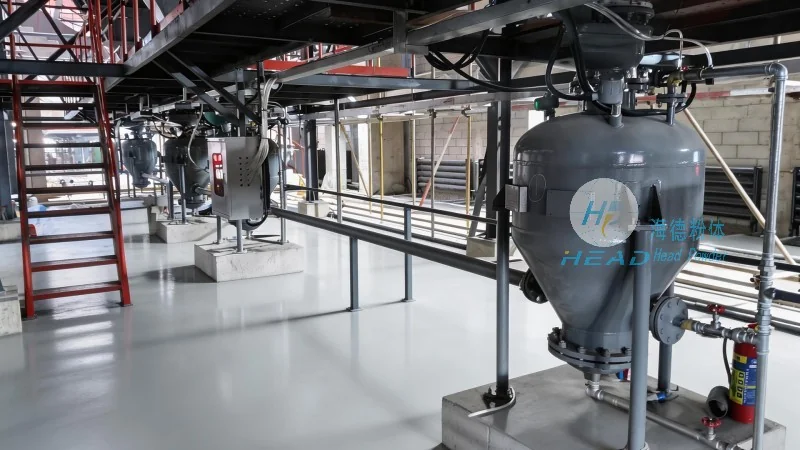
Understanding Desulfurization Fly Ash and Its Handling Challenges
Desulfurization fly ash, also known as FGD (Flue Gas Desulfurization) fly ash, is a byproduct generated during the removal of sulfur dioxide from flue gases in power plants and other industrial facilities. This material is typically fine, powdery, and can be abrasive, presenting unique challenges for conventional transport methods such as belt conveyors or bucket elevators. These traditional systems often struggle with material buildup, blockages, and the need for extensive maintenance, especially when dealing with long-distance transport. The physical properties of desulfurization fly ash, including its high moisture content and fine particle size, further complicate handling, making it essential to adopt advanced technologies that can manage these characteristics effectively.
Pneumatic Conveying Technology: The Superior Choice for Long-Distance Transport
Pneumatic conveying systems utilize air or gas to transport bulk materials like desulfurization fly ash through a pipeline network. This technology offers several advantages over conventional methods, particularly in overcoming distance limitations. By using pressurized air to move the material, pneumatic conveying can transport fly ash over distances of several kilometers with minimal loss of material quality and reduced operational downtime. The system operates by creating a pressure differential that propels the material through the pipeline, ensuring a continuous and controlled flow. This method not only eliminates the need for multiple transfer points and intermediate storage but also minimizes the risk of material spillage and environmental contamination.
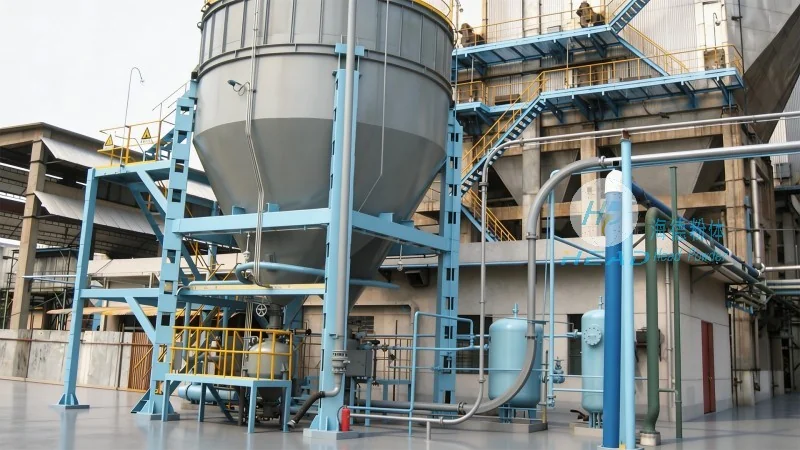
Key Components and Working Principle of Pneumatic Conveying Systems
The effectiveness of a pneumatic conveying system for desulfurization fly ash depends on its key components and the working principle. The system typically consists of a hopper for material storage, a feeder to control the flow rate, a conveyor line (pipeline) for transport, and a receiver for material discharge. The feeder plays a crucial role in maintaining a consistent flow of fly ash into the pipeline, preventing blockages and ensuring smooth operation. The pipeline itself is designed to withstand the pressure and abrasiveness of the material, with appropriate materials like stainless steel or high-grade plastic to prevent corrosion and wear. The receiver at the end of the line collects the transported fly ash, often equipped with a dust collection system to maintain air quality and comply with environmental regulations.
Benefits of Implementing Pneumatic Conveying for Desulfurization Fly Ash
Adopting pneumatic conveying for desulfurization fly ash offers numerous benefits that enhance operational efficiency and cost-effectiveness. One of the primary advantages is the ability to transport materials over long distances without the need for intermediate storage or transfer points, which reduces the overall footprint of the facility. This leads to significant savings in land use and operational costs. Additionally, pneumatic conveying systems are highly flexible, allowing for changes in transport routes or destinations without major modifications to the infrastructure. The technology also minimizes material loss and contamination, as the enclosed pipeline system prevents exposure to the environment and reduces the risk of dust emissions. From an operational perspective, these systems are more reliable and require less maintenance compared to traditional methods, resulting in lower downtime and increased productivity.
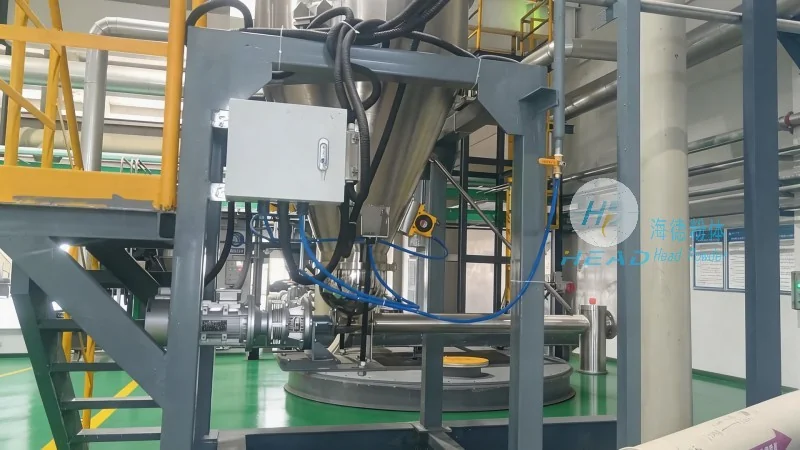
Customized Solutions by Shandong HeadPowder Engineering Co., Ltd.
Shandong HeadPowder Engineering Co., Ltd., a leading provider of material handling solutions, specializes in designing and implementing pneumatic conveying systems tailored to the specific needs of industrial facilities. With years of experience in the field, the company understands the unique challenges associated with desulfurization fly ash and offers customized solutions that address these challenges effectively. The company’s team of engineers and technicians work closely with clients to assess their operational requirements, material characteristics, and site conditions to develop a comprehensive system design. This includes selecting the appropriate conveying velocity, pipeline diameter, and pressure levels to ensure optimal performance and efficiency. HeadPowder’s solutions are designed to meet or exceed industry standards for safety, reliability, and environmental compliance, providing clients with a long-term, cost-effective material handling solution.
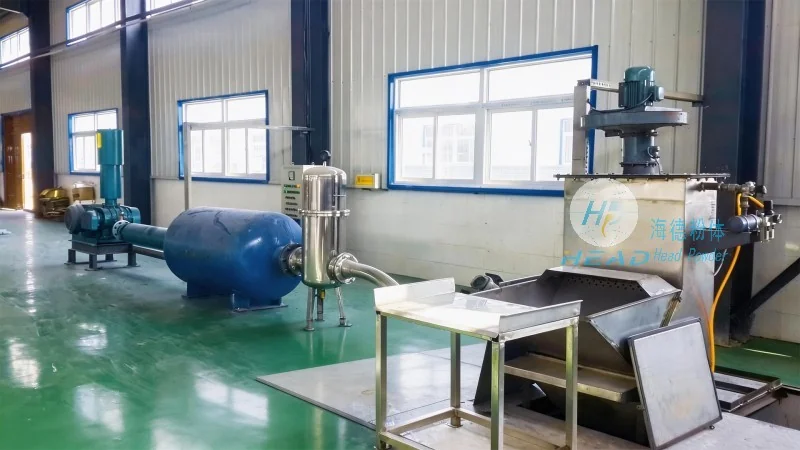
Case Studies and Real-World Applications
HeadPowder has successfully implemented pneumatic conveying systems for desulfurization fly ash in various industrial applications, demonstrating the technology's effectiveness in overcoming distance limitations. For example, a power plant in China required the transport of fly ash from the desulfurization unit to a storage facility located several kilometers away. By implementing a high-pressure pneumatic conveying system, the plant was able to achieve a continuous and reliable transport process, reducing the time and cost associated with traditional methods. Another case involved a chemical plant that needed to transport fly ash to a recycling facility, where the material was used as a raw material for other processes. The pneumatic conveying system provided by HeadPowder ensured a consistent flow of material, minimizing downtime and improving overall production efficiency. These case studies highlight the versatility and reliability of pneumatic conveying technology in handling desulfurization fly ash over long distances.
Conclusion: Enhancing Efficiency with Pneumatic Conveying Solutions
In conclusion, pneumatic conveying technology represents a significant advancement in the handling of desulfurization fly ash, offering a reliable and efficient solution to overcome distance limitations. The benefits of this technology, including reduced operational costs, increased flexibility, and improved environmental performance, make it an attractive option for industrial facilities. With the expertise and experience of companies like Shandong HeadPowder Engineering Co., Ltd., industrial facilities can implement customized pneumatic conveying systems that meet their specific needs and enhance overall operational efficiency. As the demand for sustainable and efficient material handling solutions continues to grow, pneumatic conveying is poised to play a crucial role in the future of industrial operations.




